
New York and Paris Dominate 2026 Global Tourism City Attractiveness Index Over Osaka
New York and Paris lead the 2026 Global Tourism City Attractiveness Index, while Asian hubs like Osaka and Seoul dominate emotional traveler connections.

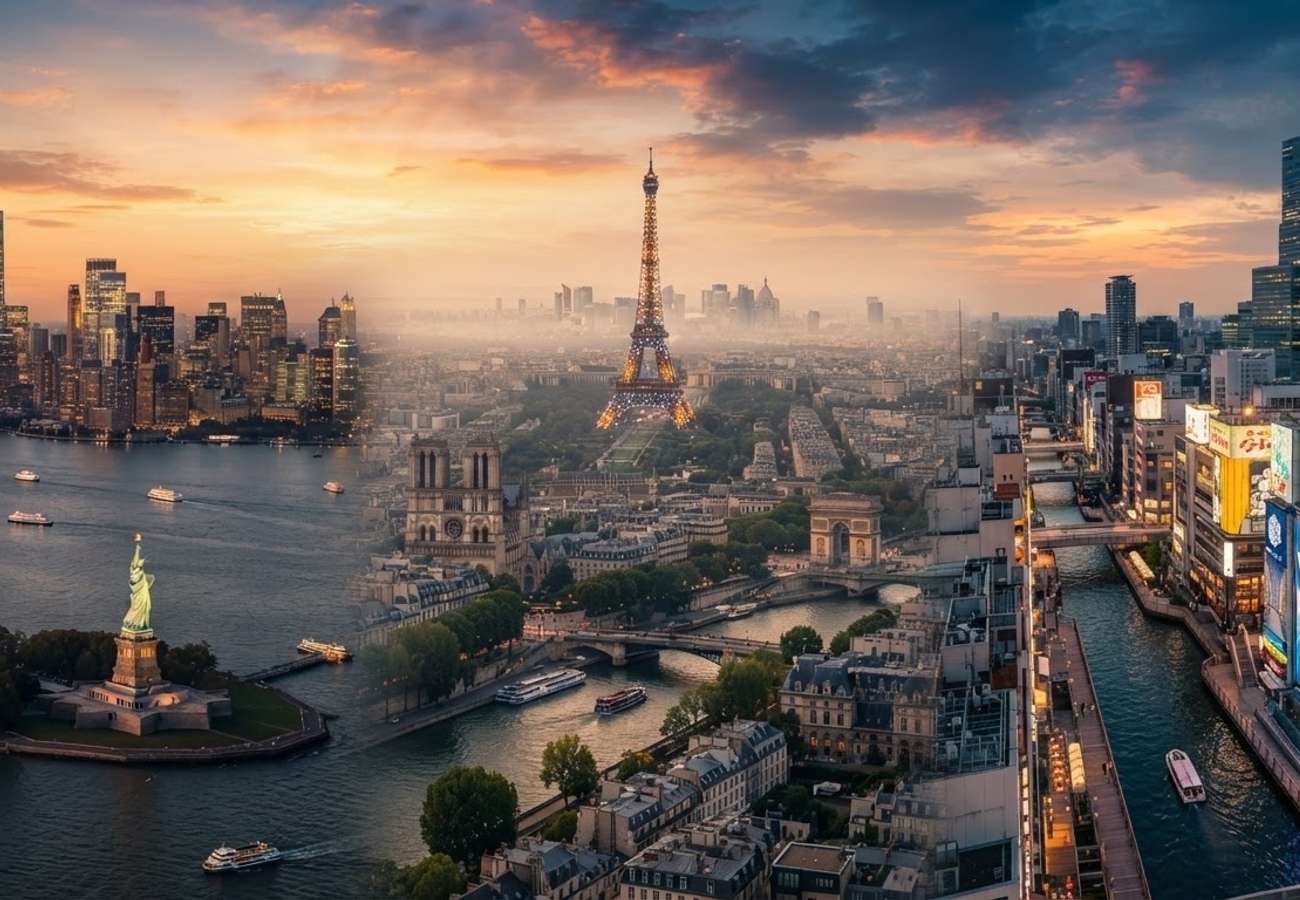
Image generated by AI
New York and Paris have secured the top spots in the 2026 Global Tourism City Attractiveness Index, though a significant shift is occurring as Asian cities now lead the world in emotional traveler connection.
The Shift from Visibility to Emotional Resonance
The traditional metrics of tourism—visitor arrivals and hotel occupancy—are no longer the sole indicators of a city's success. According to the Global Tourism City Attractiveness Index 2026, developed by Yanolja Research in collaboration with Purdue University and Kyung Hee University, the modern traveler is driven by "cognitive awareness" and "affective attractiveness."
While New York remains the most recognized city globally, the data reveals a growing gap between being known and being loved. The study analyzed 200 cities across 14 languages, scrubbing social media discussions and 419 specific keywords related to street food, galleries, and urban beauty to determine which destinations actually resonate with the human psyche.
Regional Power Dynamics: Awareness vs. Experience
The 2026 findings highlight a clear divide between Western visibility and Eastern experience.
The American Dominance in Awareness New York claimed the top spot overall and first place in the awareness category. Its grip on the global imagination is fueled by a diverse ecosystem of fashion, dining, and business. However, the city fell to third place when measured purely on emotional attractiveness. This suggests that while New York is a "bucket list" requirement, the actual visitor experience is being outperformed by destinations that prioritize intimacy and cultural immersion. The U.S. presence remains formidable, with 16 cities appearing in the top 50.
The Asian Surge in Affective Appeal Asia is currently winning the battle for the traveler's heart. Asian cities comprise 60 percent of the top destinations in the attractiveness ranking. Osaka, Japan, took the number one spot for attractiveness, followed by Kyoto. These cities are successfully blending traditional heritage with modern urbanity, creating a deep emotional bond with visitors that transcends mere sightseeing. Seoul, South Korea, also surged to fifth place overall, leveraging its global influence in technology, K-culture, and fashion.
The European Heritage Stronghold Paris remains the gold standard for European tourism, ranking second overall. It maintains a rare balance, ranking second in awareness and fifth in attractiveness. Along with London and Rome, Paris proves that historical identity, when paired with modern visitor infrastructure, continues to provide a sustainable competitive advantage.
Comparative Tourism Data 2026
The following tables break down the performance of the world's leading cities based on the Yanolja Research and university partnership data.
Overall Global Ranking
| Rank | City | Country |
|---|---|---|
| 1 | New York | United States |
| 2 | Paris | France |
| 3 | Osaka | Japan |
| 4 | Kyoto | Japan |
| 5 | Seoul | South Korea |
| 6 | London | United Kingdom |
| 7 | Rome | Italy |
| 8 | Bangkok | Thailand |
| 9 | Okinawa | Japan |
| 10 | Chicago | United States |
Cognitive Awareness (Visibility)
| Rank | City | Country |
|---|---|---|
| 1 | New York | United States |
| 2 | Paris | France |
| 3 | London | United Kingdom |
| 4 | Rome | Italy |
| 5 | Bangkok | Thailand |
| 6 | Seoul | South Korea |
| 7 | Washington D.C. | United States |
| 8 | Osaka | Japan |
| 9 | Los Angeles | United States |
| 10 | Kyoto | Japan |
Affective Attractiveness (Emotional Connection)
| Rank | City | Country |
|---|---|---|
| 1 | Osaka | Japan |
| 2 | Kyoto | Japan |
| 3 | New York | United States |
| 4 | Seoul | South Korea |
| 5 | Paris | France |
| 6 | London | United Kingdom |
| 7 | Rome | Italy |
| 8 | Okinawa | Japan |
| 9 | Bangkok | Thailand |
| 10 | Dubai | UAE |
Cultural & Environmental Value
For the visitor, the real impact of these rankings is the move toward "slow tourism" and authentic engagement. The success of Osaka and Kyoto suggests that travelers are seeking a departure from the "checklist" style of tourism prevalent in New York or London. There is a growing preference for destinations that preserve their local identity while integrating sustainable, community-led experiences.
Dubai’s entry into the top 10 for attractiveness is a notable outlier. Unlike the heritage-driven success of Rome or Kyoto, Dubai has built its appeal on innovation and luxury. This creates a dual-track global tourism market: one driven by ancestral history and another by futuristic aspiration.
Visitor Insider Tips
To maximize the experience in these top-tier cities, consider these local strategies:
- Osaka & Kyoto: Avoid the "Golden Route" peak seasons (late March to early April). Visit in early June for the lush greenery of the rainy season, when crowds thin but the landscapes are vibrant. Focus on the "Shotengai" (local shopping streets) for authentic street food rather than tourist hubs.
- New York: To move from "awareness" to "attractiveness," escape Midtown. Explore the cultural pockets of Long Island City or the repurposed industrial spaces of Brooklyn to find the emotional core of the city.
- Paris: Engage with the flâneur philosophy—the art of aimless strolling. Instead of queuing for the Louvre, visit the smaller municipal museums like the Musée Carnavalet to experience the city's history without the crowds.
- Seoul: Utilize the "T-money" card for seamless transit and explore the narrow alleys of Ikseon-dong, where traditional Hanok houses have been converted into modern cafes.
Tourism Outlook
The long-term trajectory of global tourism is shifting toward "Emotional ROI." Cities that rely solely on fame (cognitive awareness) will likely see a decline in visitor satisfaction. The future belongs to destinations that can translate their global visibility into tangible, positive emotional experiences. We can expect more cities to invest in "experience design"—prioritizing local community integration and sustainable heritage preservation over massive infrastructure projects.
The era of the tourist is ending; the era of the connected traveler has arrived.
Related Travel Guides
Disclaimer
This article is for informational and educational purposes only. It does not constitute legal, financial, or professional advice. While we strive to provide accurate and up-to-date information, travel policies, regulations, and conditions change rapidly. Always verify information with official sources before making travel decisions. Nomad Lawyer makes no representations about the accuracy, reliability, completeness, or suitability of the information provided. Readers should consult qualified professionals for advice specific to their circumstances. The views expressed in this article are those of the author and do not necessarily reflect the views of Nomad Lawyer.
Preeti Gunjan
Contributor & Community Manager
A passionate traveller and community builder. Preeti helps grow the Nomad Lawyer community, fostering engagement and bringing the reader experience to life.
Learn more about our team →