New York 9/11 Memorial and Museum Anchors Global Heritage Tourism and Emotional Travel in Lower Manhattan

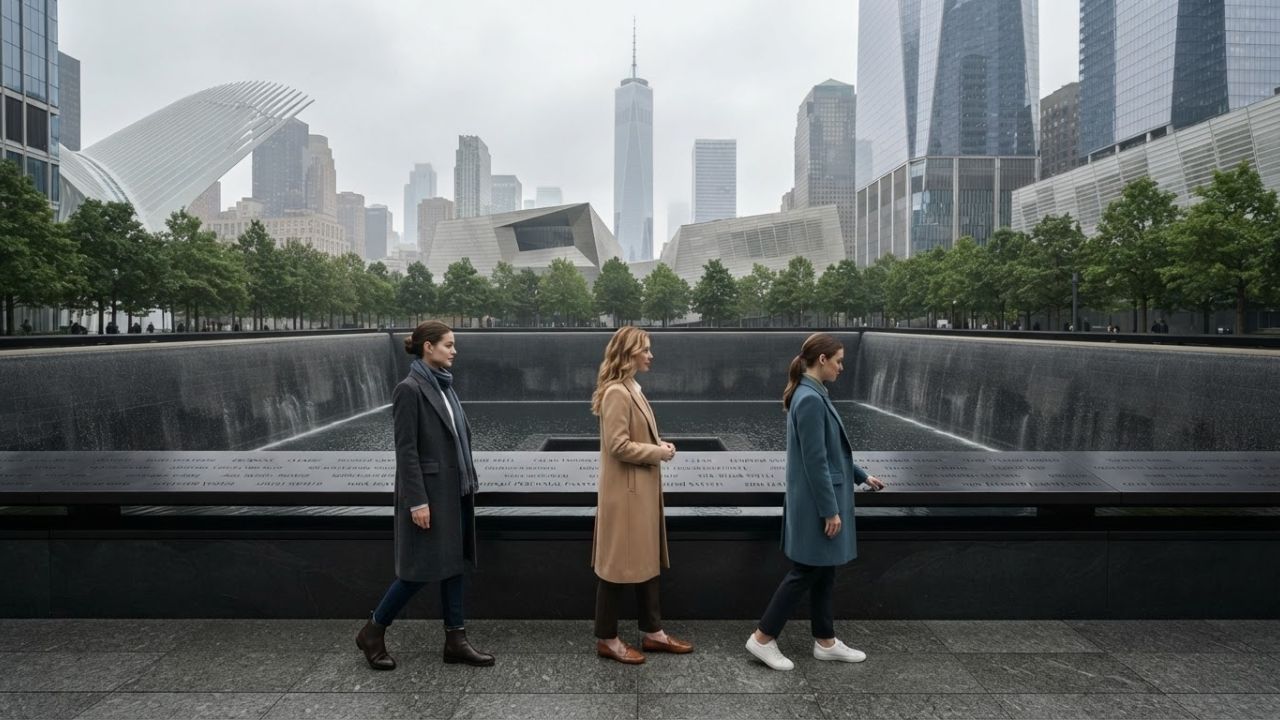
The National September 11 Memorial & Museum in Lower Manhattan has established itself as an essential heritage tourism landmark, drawing millions of international and domestic visitors to the historic World Trade Center site. Commemorating the victims of the September 11, 2001 attacks and the February 26, 1993 World Trade Center bombing, the site combines outdoor reflecting pools set within the original Twin Tower footprints with an extensive subterranean museum, leading a global shift toward emotional travel and heritage preservation.
[NEW YORK, USA] — Located at the historic World Trade Center site in Lower Manhattan, the National September 11 Memorial & Museum has redefined New York City's tourism identity. Once visited primarily for entertainment districts, shopping corridors, and architectural skylines, NYC has seen heritage and emotional travel become core components of the visitor experience, placing the 9/11 Memorial alongside established landmarks like the Statue of Liberty, Times Square, and Central Park on essential traveler itineraries.
The 9/11 Memorial plaza features two massive outdoor reflecting pools set within the exact structural footprints where the North and South Towers once stood. Designed to transform a site of historical tragedy into a public space of remembrance, respect, and civic resilience, the site has energized Lower Manhattan’s tourism economy. The surrounding district seamlessly integrates historical preservation, public plazas, cultural centers, commercial dining, and world-class accommodation options.
| Key Feature / Metric | Site Parameter & Architectural Detail |
|---|---|
| Physical Location | World Trade Center Complex, Lower Manhattan |
| Historical Events Commemorated | September 11, 2001 & February 26, 1993 |
| Outdoor Memorial Centerpiece | Twin Reflecting Pools in Tower Footprints |
| Inscribed Names | 2,983 Victims of 2001 and 1993 Attacks |
| Museum Core Exhibitions | Historical Exhibition, Memorial Exhibition |
| Primary Tourism Classification | Heritage Tourism, Cultural & Emotional Travel |
| Surrounding District Synergy | Lower Manhattan Hotels, Oculus, Battery Park |
Architectural Design and Outdoor Reflecting Pools
The outdoor 9/11 Memorial Plaza serves as an open, accessible public sanctuary in one of the world's most densely populated urban centers. Surrounded by a forest of swamp white oak trees, the memorial's centerpiece consists of two recessed reflecting pools, each nearly an acre in size, featuring the largest man-made waterfalls in North America.
The bronze parapets surrounding the edges of both pools are inscribed with the names of the 2,983 individuals killed in the September 11, 2001 attacks in New York City, Arlington, Virginia, and Shanksville, Pennsylvania, as well as the six victims of the February 26, 1993 World Trade Center bombing. The names are arranged through a system of "meaningful adjacencies," placing colleagues, family members, first responders, and friends alongside one another based on personal requests from surviving families.
| Memorial Element | Architectural Specification | Visitor Experience Impact |
|---|---|---|
| Twin Reflecting Pools | Set within North and South Tower footprints | Visual and acoustic sanctuary isolating city noise |
| Cascade Waterfalls | 30-foot drop into central interior voids | Symbolizes loss and continuous renewal |
| Inscribed Bronze Parapets | 2,983 individual victim names engraved | Personal connection to victims and first responders |
| Memorial Plaza Forest | Over 400 swamp white oak trees | Natural canopy providing shade and seasonal greenery |
| Survivor Tree | Callery pear tree recovered from WTC wreckage | Symbol of city resilience and rebirth |
| Operational Feature | Visitor Detail |
|---|---|
| Outdoor Plaza Admission | Free public access, open daily |
| Opening Hours | 8:00 AM – 8:00 PM Daily |
| Accessibility Standards | Fully ADA compliant pathways & tactile elements |
| Nearest Transit Connections | WTC Transportation Hub (Oculus), Subway Lines |
Underground Museum Exhibitions and Historical Preservation
Located beneath the outdoor plaza within the bedrock foundations of the original complex, the 9/11 Memorial Museum provides visitors with an extensive historical narrative across 110,000 square feet of exhibition space. The museum preserves authentic structural artifacts recovered during the recovery operations at Ground Zero, including the "Last Column," the historical Slurry Wall, steel beams from the impact zones, and damaged emergency response vehicles.
The museum’s permanent exhibitions are divided into two main components:
- The Historical Exhibition: Examines the events of September 11, 2001, tracing the chronology of the day across the World Trade Center, the Pentagon, and United Airlines Flight 93. It also analyzes the historical background leading up to the attacks and explores the immediate global security aftermath.
- The Memorial Exhibition: Dedicated to honoring the memory of the victims killed in the 2001 and 1993 attacks. Individual portrait galleries, personal belongings, audio recordings, and biographical archives allow visitors to understand the human lives behind the tragedy.
| Museum Exhibition Area | Key Artifacts & Features | Educational Focus |
|---|---|---|
| In Memoriam Gallery | Photographs, audio profiles, personal keepsakes | Individual biographical tributes to all 2,983 victims |
| September 11 Historical Wing | Aircraft fragments, WTC structural steel, artifacts | Chronological breakdown of the attacks and global aftermath |
| Foundation Hall | The "Last Column" and original WTC Slurry Wall | Architectural engineering and recovery effort tributes |
| First Responder Displays | Damaged FDNY Engine 213, PAPD vehicles | Honoring emergency service sacrifice and bravery |
| Museum Parameter | Details & Visitor Guidance |
|---|---|
| Advance Ticketing Recommendation | Strongly advised via official digital portal |
| Average Museum Visit Duration | 2 to 3 Hours |
| Audio Guide Availability | Multi-lingual smartphone app & devices |
| Educational Travel Integration | Curated tours for student & cultural groups |
The Rise of Emotional Travel and Heritage Tourism in NYC
The emergence of the 9/11 Memorial & Museum as a primary tourist destination highlights a broader shift in global traveler preferences toward "emotional travel" and heritage tourism. Modern travelers increasingly seek destinations that offer authentic historical context, civic education, and meaningful emotional connections over purely leisure-driven activities.
This trend has transformed Lower Manhattan from a traditional business and financial district into a vibrant, multi-faceted cultural neighborhood. Visitors spending time at the memorial routinely explore surrounding district attractions, creating strong economic spillover for local businesses.
| District Landmark / Facility | Cultural & Economic Synergy |
|---|---|
| World Trade Center Transportation Hub | Direct transit link via the Oculus |
| St. Paul's Chapel | Historic 1766 church & recovery rescue site |
| Trinity Church & Graveyard | Colonial history & Alexander Hamilton grave |
| Battery Park & Statue of Liberty Ferries | Coastal parkland & harbor access |
| One World Observatory | Panoramic skyline views atop One WTC |
| Lower Manhattan Attraction | Distance from 9/11 Memorial | Combined Itinerary Value |
|---|---|---|
| One World Observatory | Adjacent (1-minute walk) | Modern skyline perspective following historical reflection |
| The Oculus (WTC Transit Hub) | Adjacent (1-minute walk) | Architectural marvel, transit, and retail shopping |
| St. Paul's Chapel | 0.2 miles (4-minute walk) | Historical 1766 chapel used during recovery operations |
| Battery Park & Liberty Ferries | 0.6 miles (12-minute walk) | Connects 9/11 heritage with Statue of Liberty tours |
| Wall Street & Stock Exchange | 0.4 miles (8-minute walk) | Explores NYC's global financial heritage |
Impact on Tour Operators and Global Travel Planners
For destination management companies, tour operators, and educational travel organizers, the 9/11 Memorial & Museum represents a central component of New York City itineraries. Educational travel groups, international cultural delegations, and independent family travelers frequently prioritize morning visits to the memorial before exploring Lower Manhattan.
To optimize visitor flow, travel managers recommend allocating a minimum of 3 to 4 hours for a comprehensive experience, combining an outdoor walk around the reflecting pools with an in-depth tour of the underground museum. Advance timed-entry ticket reservations are strongly recommended to secure preferred entry windows, particularly during peak travel seasons in spring, autumn, and the December holiday period.
| Time Slot | Activity & Cultural Experience |
|---|---|
| 08:30 AM – 09:30 AM | Quiet morning walk around Outdoor Reflecting Pools |
| 09:30 AM – 12:00 PM | Self-guided or docent-led 9/11 Museum Tour |
| 12:00 PM – 01:30 PM | Lunch & retail exploration at the Oculus Hub |
| 01:30 PM – 03:00 PM | Skyline views at One World Observatory |
| 03:30 PM – 05:30 PM | Walk through Battery Park to Statue of Liberty Ferries |
Why This Matters (Information Gain & Experience)
The ongoing popularity of the National September 11 Memorial & Museum demonstrates how historical preservation can transform urban tourism. For the global traveler, visiting the site provides a deep, reflective perspective on contemporary world history, offering context that goes far beyond typical sightseeing.
For travel planners and city tourism strategists, the 9/11 Memorial illustrates how a destination can respectfully honor its past while driving sustainable urban renewal. By pairing solemn remembrance with accessible public space, cultural storytelling, and district-wide integration, New York City has created a model for heritage tourism that resonates across cultures and generations.
Frequently Asked Questions
Where is the 9/11 Memorial & Museum located?
The memorial and museum are located at the World Trade Center site in Lower Manhattan, New York City, accessible via 180 Greenwich Street.
Is the outdoor 9/11 Memorial free to visit?
Yes, the outdoor 9/11 Memorial plaza and its reflecting pools are free and open to the public daily from 8:00 AM to 8:00 PM.
Do I need tickets to enter the 9/11 Memorial Museum?
Yes, the underground 9/11 Memorial Museum requires paid admission tickets. Advance online reservations are strongly recommended to secure preferred entry times and avoid long ticket lines.
How long does a typical visit to the 9/11 Memorial & Museum take?
Visitors typically spend 30 to 45 minutes exploring the outdoor reflecting pools and 2 to 3 hours touring the subterranean museum exhibitions.
Which other landmarks are located near the 9/11 Memorial?
Nearby attractions within short walking distance include One World Observatory, the Oculus WTC Transportation Hub, St. Paul's Chapel, Trinity Church, Wall Street, and Battery Park ferry terminals for the Statue of Liberty.
Related Travel Guides
- Alabama Tourism Records Massive $25 Billion Expansion as $200 Oil and US-Iran Conflict Disrupt Global Travel Hubs: How USA, Saudi Arabia, and UAE Navigate 2026 Energy Crisis and Strait of Hormuz Lockdown
- China’s 68 Million Visitor Tourism Surge Defeats Global Travel Chaos With AI Aviation Systems and Expanded Visas
- Zanzibar 2026: Plans for New National Airline to Revolutionize Direct Tourism Connectivity
This article is for informational purposes. Flight routes, passenger regulations, visa rules, and transit advisories are subject to change by airlines and aviation authorities. Readers are advised to verify schedules and travel documentation with relevant carriers and border agencies before departure.
Related Stories


Angola Courts Gulf Capital to Power Tourism Expansion as Portuguese Hospitality Enrolments Surge by 106%