
Netherlands Stands Alongside France And More As Germany Issues New Travel Advisory Due To Identification, Security And Entry Risks
Netherlands Stands Alongside France And More As Germany Issues New Travel Advisory Due To Identification, Security And Entry Risks

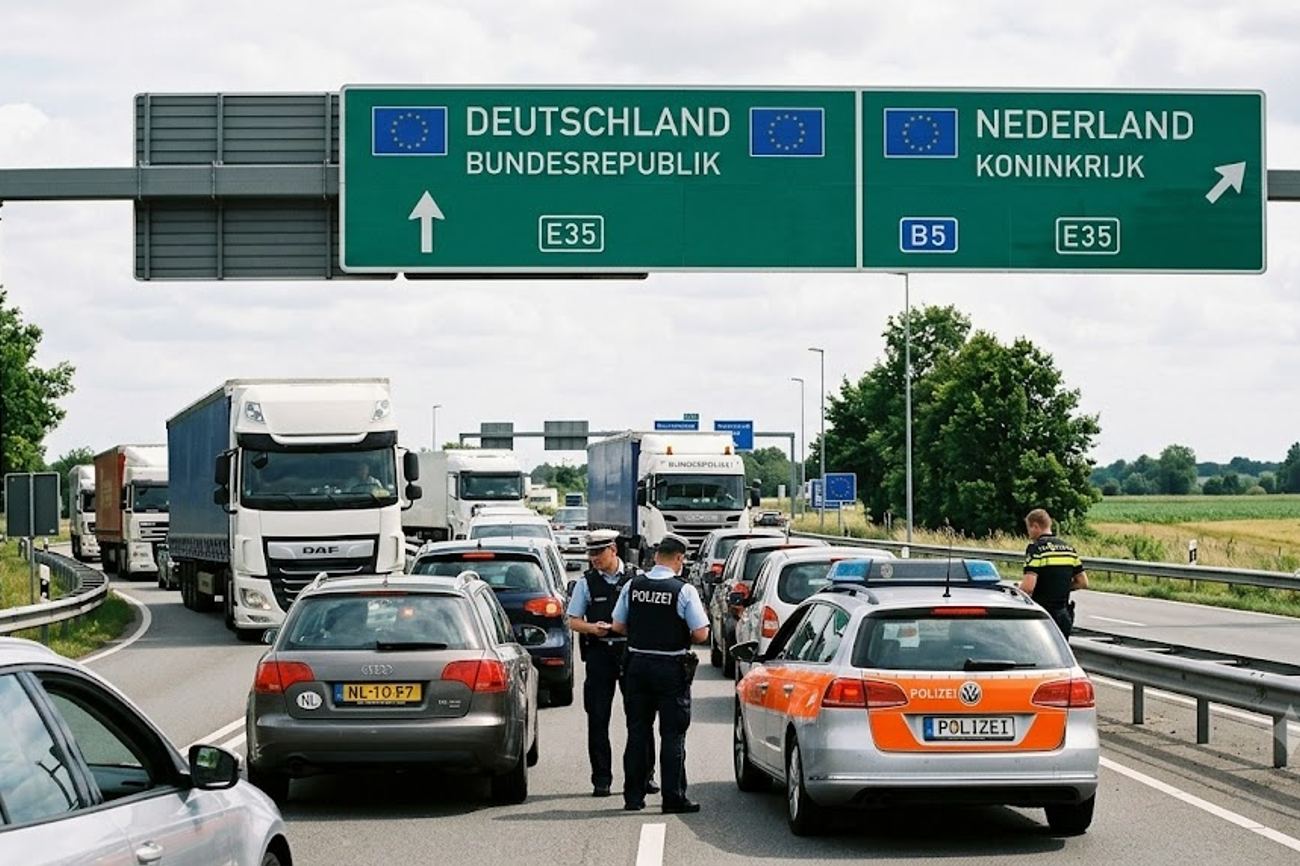
Image generated by AI
A terror alert level of four—classified as "substantial" on a five-point scale—now defines the security posture of the Netherlands, according to the latest travel advisory issued by the German government. This designation indicates that German authorities view the possibility of a terrorist attack within Dutch borders as a realistic threat, triggering a shift in how travelers from the EU's largest economy are advised to navigate the region. While the advisory does not impose travel restrictions, it signals a heightened state of vigilance across one of Europe's most frequented corridors, aligning the Netherlands with France in a broader regional trend of increased security scrutiny.
The Geopolitics of European Security Alerts
The current advisory from Germany is not an isolated warning but a reflection of the systemic security challenges facing Western Europe. By designating the threat level as "substantial," the German government is acknowledging that the Netherlands has entered a phase where security forces, municipalities, and government ministries are authorized to implement aggressive preemptive measures. For the average traveler, this translates to a visible increase in security personnel and more frequent checkpoints in high-density areas.
This shift is particularly acute in "soft target" zones. The advisory specifically flags airports, railway stations, and public transport networks as areas of heightened monitoring. This is a strategic response to the nature of modern urban threats, where the goal is often to maximize disruption in crowded public spaces. When a nation operates at level four, the operational flexibility of local police increases, meaning travelers should expect more intrusive security screenings and a lower threshold for police intervention in public gatherings.
Documentation and Border Friction
One of the most complex aspects of the German advisory involves the divergence between European mainland rules and the requirements for the Caribbean territories of the Kingdom of the Netherlands. The legal framework for entry varies wildly depending on the destination, creating a potential logistical minefield for those booking multi-leg journeys.
In the European Netherlands, the movement of persons is governed by the European Agreement on Regulations Governing the Movement of Persons between Member States of the Council of Europe. This allows for a degree of flexibility that is nonexistent in the Caribbean.
| Destination | Accepted Documents | Expiry Grace Period | Key Restriction |
|---|---|---|---|
| European Netherlands | Passport, ID Card, Child Passport, Temp ID | Up to 1 year (except Temp ID) | None for EU citizens |
| Caribbean Netherlands | Passport, Child Passport, Temp Passport | Must be valid 6+ months post-departure | No National ID cards accepted |
The Caribbean territories—specifically Aruba, Curaçao, Sint Maarten, Bonaire, St. Eustatius, and Saba—operate under a much stricter regime. The prohibition of national identity cards for entry into these regions is a critical detail; a traveler who relies on an ID card for a trip to Amsterdam would be denied boarding for a flight to Aruba. Furthermore, the six-month validity requirement for passports in the Caribbean is a standard international aviation benchmark enforced by the International Air Transport Association (IATA), but it contrasts sharply with the lenient one-year expiry grace period often accepted on the European mainland.
Expert Analysis: The "Tourist Friction" Effect
For travelers booking routes into the Netherlands and France, the direct consequence of these advisories is the introduction of "tourist friction"—the cumulative delay and psychological stress caused by heightened security and documentation checks.
The pricing pressure created by these security levels is often indirect. As governments increase security spending at airports and transit hubs, these costs are frequently passed down to the consumer through airport taxes or "security surcharges" embedded in ticket prices. Moreover, the "substantial" threat level often leads to the cancellation of large-scale public events or the implementation of restrictive perimeter fencing, which can diminish the value of a travel package or itinerary.
From a legal perspective, the warning regarding "carrying packages for strangers" in the Caribbean territories is a high-stakes alert. In these regions, drug-trafficking laws are severe, and the "blind mule" scenario is a recognized risk. For the nomad traveler, the legal consequence of ignoring this specific warning is not a petty fine, but potential long-term incarceration in a foreign jurisdiction. The advisory serves as a legal shield for the German government, ensuring that citizens are warned of the criminal risks associated with the Caribbean territories' specific geopolitical vulnerabilities.
Key Takeaways
- Security Status: The Netherlands is currently at terror alert level four (substantial), meaning attacks are considered a realistic possibility.
- Document Divergence: National ID cards are sufficient for the European Netherlands but are strictly prohibited for entry into Aruba, Curaçao, and other Caribbean territories.
- Passport Validity: Travelers to the Caribbean Netherlands must ensure their passports are valid for at least six months beyond their planned departure date.
- Crime Hotspots: Pickpocketing and financial scams are prevalent in Amsterdam; travelers are urged to maintain electronic copies of all identification.
- Caribbean Risks: Beyond petty crime, the Caribbean territories face higher rates of street and beach robberies after dark and drug-related security risks.
FAQ: Netherlands Travel Security 2026
Do I need a visa for the Netherlands if I have a German ID card? No, German citizens can enter the European Netherlands using a valid passport, identity card, or child passport. Some documents may be accepted up to one year after expiry, though checking with your airline is recommended.
Is it safe to visit Amsterdam right now? Yes, travel is not restricted. However, you should remain vigilant in crowded areas, airports, and stations due to the "substantial" terror alert level and be mindful of pickpockets in tourist zones.
Can I use my EU ID card to visit Aruba or Curaçao? No. The Caribbean territories of the Kingdom of the Netherlands require a valid passport. National identity cards are not accepted for entry into these destinations.
What should I do if my passport is stolen in the Netherlands? Store electronic copies or photos of your documents in a secure cloud. If stolen, contact the nearest embassy or consulate immediately; having these copies will significantly accelerate the replacement process.
The intersection of European open-border policies and heightened security alerts creates a paradox where movement is legally easy but operationally tense.
Tags: Netherlands-Security-2026, Germany-Travel-Advisory, Caribbean-Netherlands-Entry, Amsterdam-Tourist-Safety, EU-Border-Regulations
Related Travel Guides
- Vietnam’s Quy Nhon And Pleiku Boost Tourism With A Bold 2050 Urban Vision For Smart And Sustainable Growth
- Philippines Is Quietly Becoming The Ultimate Luxury Golf Travel Obsession And Paradise Across Asia, Here’s All You Need To Know
- flydubai Ignites Dubai Travel Boom With 125 Destinations As Global Network Recovery Enters A New Era
Disclaimer
This article is for informational and educational purposes only. It does not constitute legal, financial, or professional advice. While we strive to provide accurate and up-to-date information, travel policies, regulations, and conditions change rapidly. Always verify information with official sources before making travel decisions. Nomad Lawyer makes no representations about the accuracy, reliability, completeness, or suitability of the information provided. Readers should consult qualified professionals for advice specific to their circumstances. The views expressed in this article are those of the author and do not necessarily reflect the views of Nomad Lawyer.
Preeti Gunjan
Contributor & Community Manager
A passionate traveller and community builder. Preeti helps grow the Nomad Lawyer community, fostering engagement and bringing the reader experience to life.
Learn more about our team →