
Clockwork Under Pressure: Navigating the Netherlands’ Rail Network Beyond the Randstad

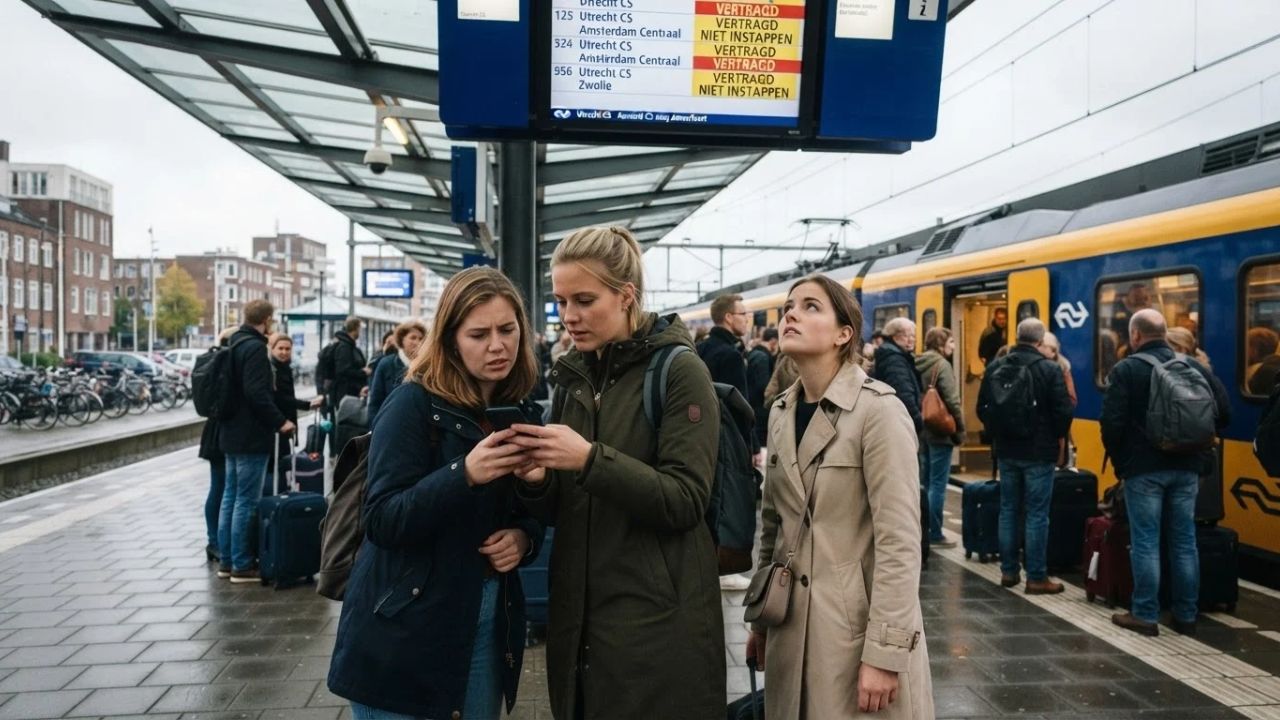
The Netherlands operates one of the most intensely utilized and dependable passenger railway arteries in Europe, dispatching high-frequency intercity trains across the country with precision every ten minutes—yet on Tuesday, suspected deliberate interference at roughly 30 separate railway locations threw eastern and central transit corridors into disarray, stranding approximately 3,000 travelers around pivotal junction cities like Zwolle, Deventer, and Amersfoort on the very day ceremonial government assemblies drew thousands to The Hague.
While international visitors often assume Dutch travel is limited to the urban arc of Amsterdam, Rotterdam, and Utrecht, hundreds of thousands of commuters, business travelers, and cross-country wanderers rely daily on the steel tracks that tie the western Randstad to the eastern provinces. When unexpected interference fractures this synchronized web, it exposes both the astonishing efficiency and the acute vulnerability of a nation that has traded highway congestion for collective rail transit. For the perceptive traveler, understanding how to navigate these rare disruptions unlocks access to some of the country’s most storied Hanseatic river ports and medieval fortified towns.
The Track Interference Mystery: How 30 Disruption Points Shook Dutch Rail
The disruptions began during the peak morning commuting window on Tuesday when railway infrastructure surveillance teams and track inspectors identified foreign materials deliberately placed across active tracks at multiple points across the Dutch rail network. Authorities swiftly determined that the placement of these objects was intentional, triggering emergency safety protocols, speed restrictions, and immediate line suspensions to protect rolling stock and passenger safety.
Official assessments verified suspected interference across approximately 30 railway locations, with several critical sectors reporting multiple incidents along a single corridor. Railway police launched an immediate criminal investigation into potential sabotage targeting national transport infrastructure. Specialized forensic teams carefully documented and cleared the materials from the rails to preserve physical evidence, while operations personnel conducted urgent track integrity assessments before greenlighting train movements.
The operational fallout was heavily concentrated in the central and eastern regions, directly impacting roughly 3,000 passengers who found themselves stranded at major transport hubs. The historic junction city of Amersfoort—the central interchange funneling traffic between the west, north, and east—faced widespread timetable revisions. Further east, Zwolle, the undisputed gateway linking the central provinces to the northern territories of Friesland and Groningen, and Deventer, the vital rail crossing over the IJssel River, saw extensive cancellations and delays.
Compounding the logistical strain, the disruptions occurred on the exact day when a major national government event convened in The Hague. Crowds traveling to the administrative capital for official parliamentary ceremonies encountered cascading delays that rippled outward from eastern junction points into western corridors. Although rail infrastructure teams gradually cleared affected sectors and restored scheduled departures through the afternoon, the event served as a stark reminder of how an interconnected rail system responds when key geographic arteries are impeded.
What Makes Central and Eastern Netherlands Different: Beyond the Randstad Rail Loop
Most foreign travelers spend their entire Dutch holiday trapped inside the tourist-saturated triangle of Amsterdam, Keukenhof, and Zaanse Schans. Yet boarding an intercity train eastward through Amersfoort toward the IJssel River basin transports you into a radically different cultural world. Here, broad river bends, historic dikes, and ancient beech forests replace neon-lit canals and souvenir storefronts.
Zwolle and Deventer are prominent jewels of the medieval Hanseatic League, a powerful commercial alliance of merchant guilds that dominated Baltic and North Sea maritime trade between the 13th and 17th centuries. Long before Amsterdam became a global financial powerhouse, these eastern river cities were flourishing trading centers exchanging timber, grain, and cloth across northern Europe.
Walking through Deventer reveals one of the oldest surviving urban cores in the Netherlands. Its cobblestone lanes are framed by 14th-century brick merchant houses, leaning timber-framed gables, and the towering Gothic spire of the Lebuïnuskerk. At the heart of town sits the Brink, a tree-shaded market square where local trade has hummed without pause for eight centuries.
To the north, Zwolle preserves its Renaissance military identity with a star-shaped moat encircling the old city. Visitors entering through the Sassenpoort—a formidable brick city gate built in 1409 featuring pointed turrets and defensive machicolations—discover an inspiring blend of preserved antiquity and cutting-edge culture. Zwolle is celebrated throughout the Low Countries as a culinary haven, boasting world-class dining, artisanal bakeries, and historic churches transformed into magnificent cultural bookstores, such as the famous Waanders in de Broeren.
Amersfoort, resting at the geographic center of the country, is distinguished by its concentric canal rings and the striking Koppelpoort, a 15th-century brick-and-limestone gate that simultaneously protected land and water approaches to the medieval city. By venturing onto these central rail lines, travelers exchange generic tourist traps for an authentic encounter with Dutch civic heritage.
Visitor Insider Tips: Navigating Dutch Trains, Junction Hubs, and Disruptions
Traveling smoothly across the Netherlands requires insider familiarity with the local transit ecosystem. Promoted through Visit Netherlands, public transport is the supreme way to experience the country, provided you master a few practical rules.
- Rely on Official Real-Time Transit Applications: Never depend on third-party map apps for Dutch train schedules. Download the official Nederlandse Spoorwegen (NS) application and the 9292 mobile platform. When disruptions arise, the NS app provides instant re-routing options, identifies platform alterations, and tracks emergency rail-replacement buses (snelbus for direct highway shuttles, stopbus for local station stops).
- Master Contactless OVpay Protocols: Foreign travelers no longer need to purchase disposable paper tickets or load physical OV-chipkaart cards. Simply tap your contactless debit or credit card, smartphone, or smartwatch at the yellow ticket barriers and platform card posts before boarding, and tap the identical payment method upon exiting. Forgetting to tap out results in an automatic maximum debit penalty.
- Utilize Station OV-fiets Bicycles: If train traffic between regional junctions stalls, embrace the Dutch way: rent an OV-fiets. Available at nearly every train station via a personalized transit account or local station rental desks, these sturdy blue-and-yellow bicycles allow you to bypass replacement bus queues, pedaling easily between nearby villages or touring the historic canal moats of Zwolle and Amersfoort.
- Indulge in Historic Hanseatic Culinary Traditions: When paused at eastern stations, explore authentic regional food culture. In Deventer, visit the historic confectionery shops on the Brink for Deventer Koek, a fragrant, spiced honey cake whose tightly guarded recipe has been baked continuously since the Middle Ages. In Zwolle, seek out local bakeries for Zwolse balletjes, traditional sweet sugar candies crafted in copper kettles since 1845.
- Rerouting Around Central Bottlenecks: When major junctions like Amersfoort or Zwolle face operational delays, consult station staff about alternative transit loops. Travelers can often skirt around delays by taking southern routes via Arnhem and Utrecht Centraal, or by connecting through regional sprinter lines operated by carriers like Keolis and Arriva that run along independent provincial track networks.
Cultural and Environmental Context: Public Rail Reliance and Infrastructure Vulnerability
The disruption across 30 track locations highlights the unique environmental and social compact that defines modern Dutch life. The Netherlands possesses the highest bicycle-and-train transit integration in the world, deliberately designing its society around collective rail mobility rather than private automobile dependency.
This model drastically reduces national carbon emissions and preserves green buffers—such as the protected heathlands and ancient oak woods of the Veluwe national park reserve—from highway encroachment. However, because the rail system operates at such intense densities with shared track segments, a localized disturbance at a central junction like Zwolle or Amersfoort can generate ripple effects across entire provincial networks.
Local communities along the IJssel River take immense pride in balancing transit connectivity with heritage preservation. In towns like Deventer and Zutphen, municipal policies strictly limit vehicular traffic within medieval walls, prioritizing cyclists, pedestrians, and electric transit shuttles. Visitors are encouraged to respect this peaceful urban cadence, use reusable bottles at free municipal water fountains, and support independent, family-owned shops and cafes that keep historic city centers vibrant.
By traveling with patience and awareness during rare transit interruptions, visitors gain an appreciation for the tireless work of infrastructure crews, rail engineers, and emergency services who keep this delicate nation moving forward.
FAQ: Navigating Rail Travel in the Netherlands 2026
What should travelers do if their Dutch train service is delayed or cancelled? Consult the official NS mobile app for immediate rerouting options, listen for platform announcements in Dutch and English, or board clearly marked rail-replacement buses stationed outside main terminal exits.
How do foreign visitors pay for train travel across the Netherlands? Travelers can use OVpay by tapping contactless bank cards or mobile devices directly at station turnstiles and platform posts, remembering to tap out at the journey's destination.
Why are eastern cities like Zwolle and Deventer worth visiting? Zwolle and Deventer are historic Hanseatic trading cities featuring exceptionally preserved 14th-century merchant houses, medieval gates, canal rings, vibrant market squares, and celebrated culinary traditions far away from crowded tourist zones.
How long does it take to travel from Amsterdam to Zwolle by train? Under normal operating conditions, direct NS Intercity services connect Amsterdam Centraal to Zwolle in approximately one hour, offering a swift journey through the Dutch countryside.
Beyond the clockwork timetables and busy junctions, the true magic of the Low Countries reveals itself whenever you step off the beaten track and let the rhythm of history take the lead.
Related Travel Guides
- Roar in the Red Dirt: How the MXGP of Australia Transforms Darwin into an International Motorsport Destination
- Sacred Rhythms of the High Himalaya: The 11th Ladakh Zanskar Festival Celebrates Districthood in Padum
- Bypassing the Mega-Hubs: How Florida’s Gulf and Central Coasts Are Opening to Point-to-Point Travel in 2027
Disclaimer
This article is for informational and educational purposes only. It does not constitute legal, financial, or professional advice. While we strive to provide accurate and up-to-date information, travel policies, regulations, and conditions change rapidly. Always verify information with official sources before making travel decisions. Nomad Lawyer makes no representations about the accuracy, reliability, completeness, or suitability of the information provided. Readers should consult qualified professionals for advice specific to their circumstances. The views expressed in this article are those of the author and do not necessarily reflect the views of Nomad Lawyer.
Raushan Kumar
Founder & Lead Developer
Full-stack developer with 11+ years of experience and a passionate traveller. Raushan built Nomad Lawyer from the ground up with a vision to create the best travel and law experience on the web.
Learn more about our team →