
American Airlines Evaluates Reintroducing Seatback Screens to 876 Narrow-Body Aircraft Fleet in 2026
American Airlines is considering a multi-billion dollar overhaul of its narrow-body fleet to reintroduce seatback entertainment and satellite internet, reversing a cost-cutting strategy implemented in 2017.

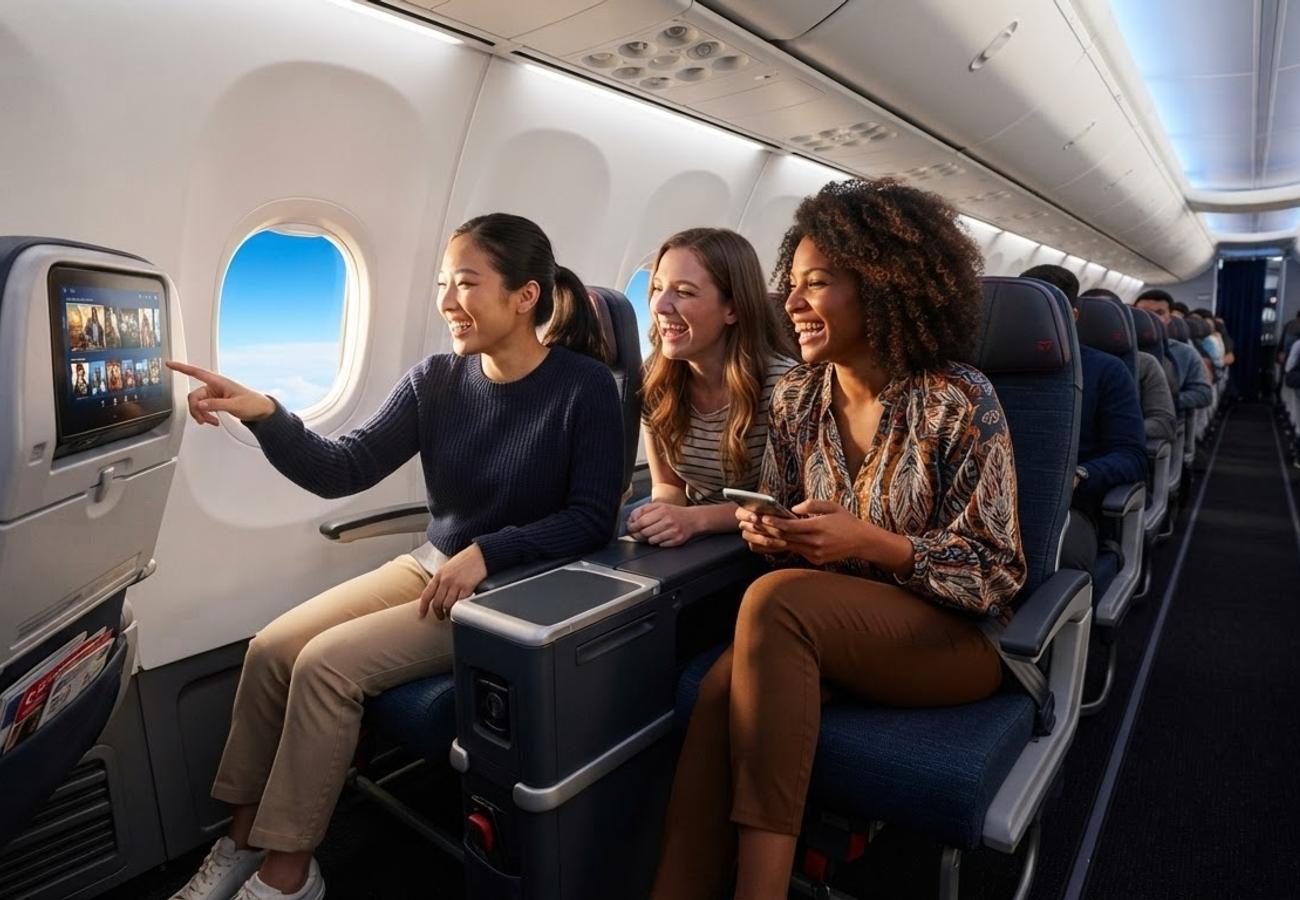
Image generated by AI
American Airlines is weighing a strategic reversal of its 2017 decision to remove seatback entertainment screens from its narrow-body aircraft. The proposed overhaul would integrate hardware updates with next-generation satellite connectivity.
Reports indicate that the Texas-based carrier has been "seriously considering" the return of in-flight entertainment (IFE) screens for its narrow-body fleet. While the airline has maintained screens on its wide-body aircraft, the narrow-body fleet transitioned to a "bring your own device" (BYOD) model nearly a decade ago to reduce aircraft weight and maintenance expenditures.
Fleet Integration and Technical Specifications
The scale of this potential rollout is significant. According to 2025 filings, American Airlines operates the world's largest narrow-body fleet, totaling 876 aircraft. The reintroduction of screens would not be a standalone hardware update but part of a broader digital ecosystem upgrade.
Our analysis of the proposed enhancements includes:
- Connectivity: Integration of SpaceX’s Starlink and Amazon’s Leo satellite internet services to provide high-speed global connectivity.
- Content Partnerships: Active discussions with Amazon to provide Prime Video and music streaming directly to the seatback units.
- Commerce Integration: A potential shopping interface allowing passengers to utilize frequent flyer miles for in-flight purchases.
- Existing Infrastructure: Some Airbus A319 aircraft within the fleet currently retain seatback screens, providing a baseline for the rollout.
Financial Implications and Cost Analysis
The capital expenditure required for this transition is substantial. Industry data from TechSci Research suggests a per-seat installation cost of approximately $10,000. Given the size of the narrow-body fleet, the total investment could exceed $1 billion.
Historically, adding IFE to a narrow-body aircraft was estimated at $1 million per plane in 2019. While some carriers, such as Delta Air Lines, reduced these costs by two-thirds by utilizing tablet-based screens, the overall financial burden remains high. For context, American Airlines reported a profit of $111 million in 2025, suggesting that a full-scale rollout would significantly impact the carrier's short-term liquidity and profit margins.
Passenger Rights & Advisory (Information Gain)
While the addition of seatback screens is a matter of amenity and not a regulatory requirement, passengers should be aware of their rights regarding service changes and disruptions during this transition period.
Rebooking and Service Discrepancies If a passenger books a flight specifically expecting a certain cabin class or amenity (such as a "Premium" seat with a screen) and that amenity is unavailable due to the staggered rollout of new hardware, they are generally not entitled to monetary compensation under US DOT guidelines. However, passengers should:
- Verify Aircraft Type: Use flight tracking tools to check if the assigned aircraft is one of the upgraded units.
- Loyalty Program Benefits: Current loyalty members can access free Wi-Fi to stream content on personal devices as an interim solution.
Compensation Frameworks For travelers on transatlantic routes (where wide-body aircraft with screens are already standard), the following applies:
- EU261/2004: This regulation covers flight cancellations and long delays, not the lack of in-flight entertainment.
- DOT Guidelines: US Department of Transportation rules focus on safety and ticketing. Amenities like IFE are considered "discretionary services."
Industry Analyst View
The internal debate at American Airlines reflects a broader industry tension between operational efficiency and the "premiumization" of the passenger experience. For years, the carrier prioritized weight reduction and lower maintenance costs—factors that directly influence fuel burn and turnaround times.
However, the competitive gap has widened. Delta and United have aggressively invested in IFE and high-speed Wi-Fi, turning the cabin into a revenue-generating digital hub. Heather Garboden, Chief Customer Officer, noted in October 2025 that technological advances have reduced the complexity of these systems, making the "return to screens" more viable than it was in 2017. The risk for American Airlines is the "ROI gap": spending billions on hardware that many passengers, now equipped with high-resolution tablets and smartphones, may find redundant.
The move signals a shift from seeing the aircraft as a mere transport vessel to viewing it as a connected digital environment.
Related Travel Guides
Disclaimer
This article is for informational and educational purposes only. It does not constitute legal, financial, or professional advice. While we strive to provide accurate and up-to-date information, travel policies, regulations, and conditions change rapidly. Always verify information with official sources before making travel decisions. Nomad Lawyer makes no representations about the accuracy, reliability, completeness, or suitability of the information provided. Readers should consult qualified professionals for advice specific to their circumstances. The views expressed in this article are those of the author and do not necessarily reflect the views of Nomad Lawyer.
Preeti Gunjan
Contributor & Community Manager
A passionate traveller and community builder. Preeti helps grow the Nomad Lawyer community, fostering engagement and bringing the reader experience to life.
Learn more about our team →