Netherlands Boosts Sustainable Tourism With Innovative Food Experiences Across Greener Cities

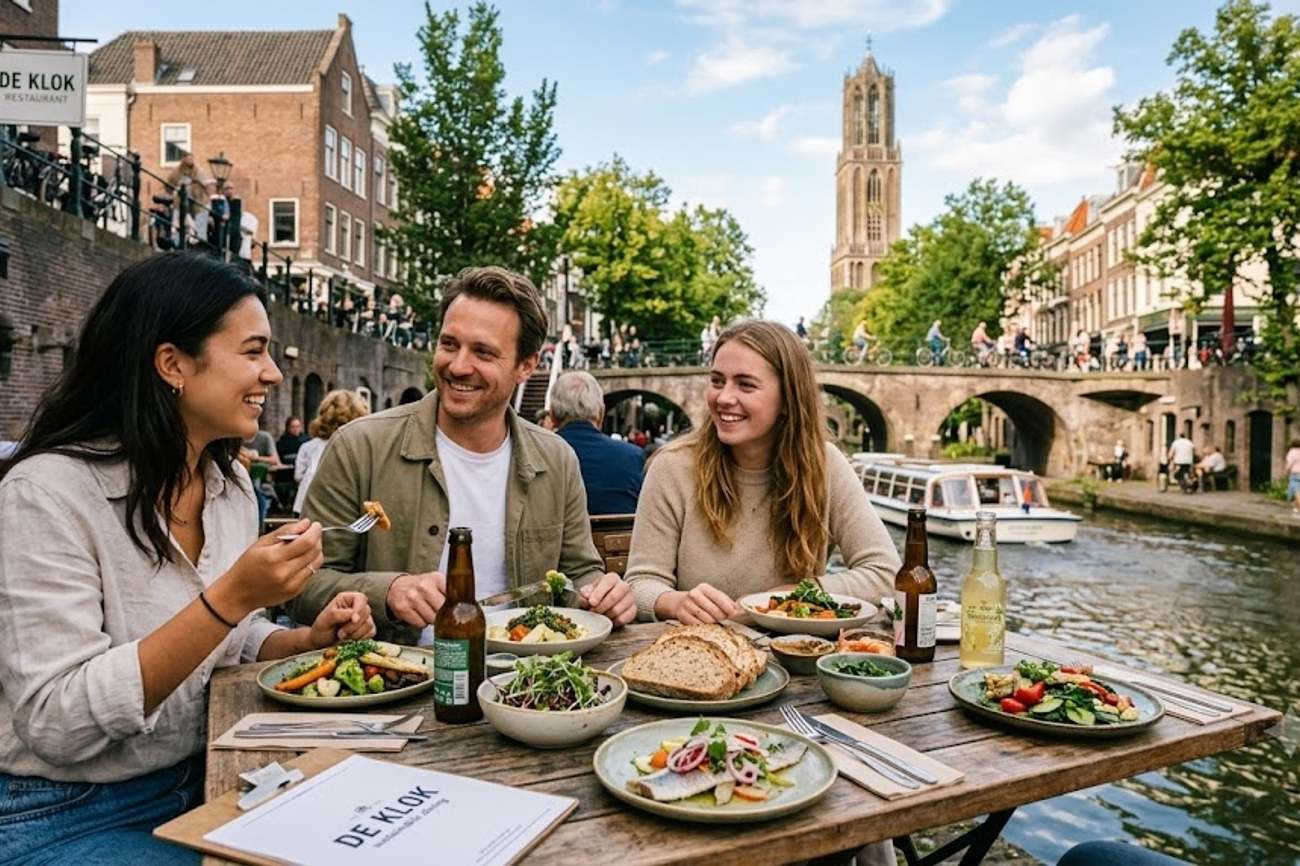
Image generated by AI
[Amsterdam, October 2023] — The Netherlands is aggressively pivoting its national tourism strategy to position its urban centers as global hubs for sustainable food innovation, shifting the visitor focus from traditional sightseeing to eco-centric culinary systems.
The initiative integrates urban agriculture, climate-tech research, and hyper-local dining networks into the primary tourist circuit. By transforming cities into living laboratories for food production, the Dutch tourism sector is targeting a growing demographic of eco-conscious travelers who prioritize environmental impact and authentic community integration over luxury consumption.
The Shift Toward Agritech Tourism
The catalyst for this transition is a systemic integration of urban development and sustainable food solutions. Dutch municipalities are redesigning urban spaces to prioritize "green innovation," effectively turning functional city infrastructure into tourist attractions. This movement is not merely about organic dining but is a structural effort to showcase how technology and nature can coexist to secure future food chains.
Central to this strategy is the promotion of "slow travel," encouraging visitors to spend extended periods in specific neighborhoods to understand the lifecycle of their food. This involves a coordinated effort between local governments and the Netherlands Board of Tourism & Conventions, ensuring that sustainable practices are visible and accessible to international arrivals.
Impacted Markets and Destinations
The transition to sustainable food tourism is concentrated in several key urban and academic hubs, creating new travel corridors across the country:
- Amsterdam and Major Cities: Integration of community gardens, climate-friendly restaurant clusters, and green neighborhood projects into the standard city itinerary.
- Wageningen: The transformation of this global research hub into a specialist destination for educational tourism. Visitors here focus on food technology, alternative production methods, and climate-resilient agriculture.
- Urban Farming Zones: The rise of rooftop gardens and sustainable agriculture demonstrations as primary attractions for families and environmentally conscious travelers.
- Regional Dining Circuits: A shift toward seasonal, plant-based, and regional supplier-led menus that replace generic international fare in tourist districts.
Practical Traveler Advisory and Strategic Insights
For the modern traveler, this shift fundamentally changes the "Dutch experience." The traditional itinerary of canals and museums is being augmented—and in some cases replaced—by an educational culinary journey.
Practical Implications:
- Booking Shifts: Travelers should look for "farm-to-table" certifications and eco-friendly dining labels when planning itineraries. The focus is moving away from high-street dining toward local food networks and sustainable markets.
- Itinerary Planning: Visitors can now book specialist tours of food innovation hubs and urban farms, particularly in the Wageningen region, which serves as a center for agricultural science.
- Dining Expectations: Expect a significant increase in plant-based and seasonal menus. Traditional Dutch cuisine is being reimagined through a sustainability lens, meaning menus will fluctuate based on local harvest cycles rather than static tourist offerings.
- Activity Changes: Sightseeing now includes visiting rooftop gardens and community farming projects, offering a more interactive experience than passive museum visits.
The Role of Wageningen in Global Food Travel
Wageningen stands as the cornerstone of the Netherlands' ambition to lead in "educational tourism." By opening its research and development ecosystems to the public, the region allows travelers to witness the intersection of government policy, private business, and academic science.
The Netherlands is enhancing its sustainable tourism efforts by introducing innovative food experiences in its greener cities, showcasing the country's commitment to environmentally friendly practices. Visitors can explore the city of Amsterdam and discover its eco-friendly restaurants and cafes, with more information available on the official Netherlands Board of Tourism & Conventions website. This initiative aims to promote responsible tourism and support local businesses that prioritize sustainability.
The focus in Wageningen is not on consumption, but on the process of production. Travelers are engaging with:
- Alternative Protein Production: Exploring how the world is moving away from traditional livestock.
- Climate-Friendly Agriculture: Seeing firsthand how crops are grown with minimal water and land usage.
- Food Tech Solutions: Understanding the software and hardware driving the next generation of food security.
This positioning ensures that the Netherlands remains competitive in the European travel market by offering a unique value proposition: the ability to see the "future of food" in real-time.
As part of its efforts to reduce carbon footprint, the Netherlands is also improving passenger logistics, with Amsterdam Airport Schiphol implementing various measures to minimize its environmental impact. Travelers can find more information on flight schedules, airport facilities, and sustainability initiatives on the Amsterdam Airport Schiphol official website. By choosing sustainable transportation options and supporting eco-friendly tourism initiatives, visitors can contribute to the country's goal of becoming a more environmentally conscious destination.
Future Outlook for Dutch Urbanism
The long-term goal is the complete synthesis of city living and food production. By turning urban farms into tourist draws, the Netherlands is creating a self-sustaining loop where tourism revenue supports the expansion of green infrastructure.
The movement is expected to expand further into the "circular economy" model, where food waste from tourist hotels and restaurants is processed in urban farms to grow the very produce served back to the guests. This closed-loop system is intended to make Dutch cities the blueprint for sustainable urbanism globally.
FAQ: Sustainable Food Tourism 2023
How do I find sustainable restaurants in Dutch cities? Look for establishments that explicitly list regional suppliers or seasonal menus. Many eco-friendly restaurants in Amsterdam and other hubs now carry sustainability certifications or are linked to local community garden networks.
Is Wageningen accessible for general tourists? Yes. While it is a research hub, the region has developed specific opportunities for visitors interested in food technology and sustainable farming, moving beyond academic circles to welcome educational travelers.
What is "slow travel" in the context of Dutch food tourism? Slow travel encourages visitors to stay longer in one location, engaging with local food producers and community gardens rather than rushing between major landmarks, thereby reducing their carbon footprint and deepening their cultural connection.
Are urban farms open to the public? Many rooftop gardens and community farming projects are open for tours or public visits, though some may require advance booking through local tourism boards or the specific farm's coordinator.
The Netherlands is no longer just selling tulips and windmills; it is selling the blueprint for how the world will eat in 2050.
Related Travel Guides
- United Kingdom and Other Leading Destinations Follow Egypt’s 2027 Tourist Hajj Travel Overhaul
- Murphys, June Lake and Nevada City Keep Pace with Other Sierra Destinations as Romantic Small Towns in California Beckon Weekend Travellers
- US Follows Canada as South Wales Travel Expands with Cardiff and Cycling Routes
This article is for informational purposes. Flight routes, passenger regulations, visa rules, and transit advisories are subject to change by airlines and aviation authorities. Readers are advised to verify schedules and travel documentation with relevant carriers and border agencies before departure.
Related Stories

European Mass Protests Disrupt Travel Across France, Italy, Belgium, and Turkey in 2026
The Best Things to Do in Vero Beach with Family: A Local Parent & Traveler's Guide