
Nepal Travel Surges As Annapurna Conservation Area Attracts 17913 Foreign Visitors With Himalayan Adventures
Nepal Travel Surges As Annapurna Conservation Area Attracts 17913 Foreign Visitors With Himalayan Adventures

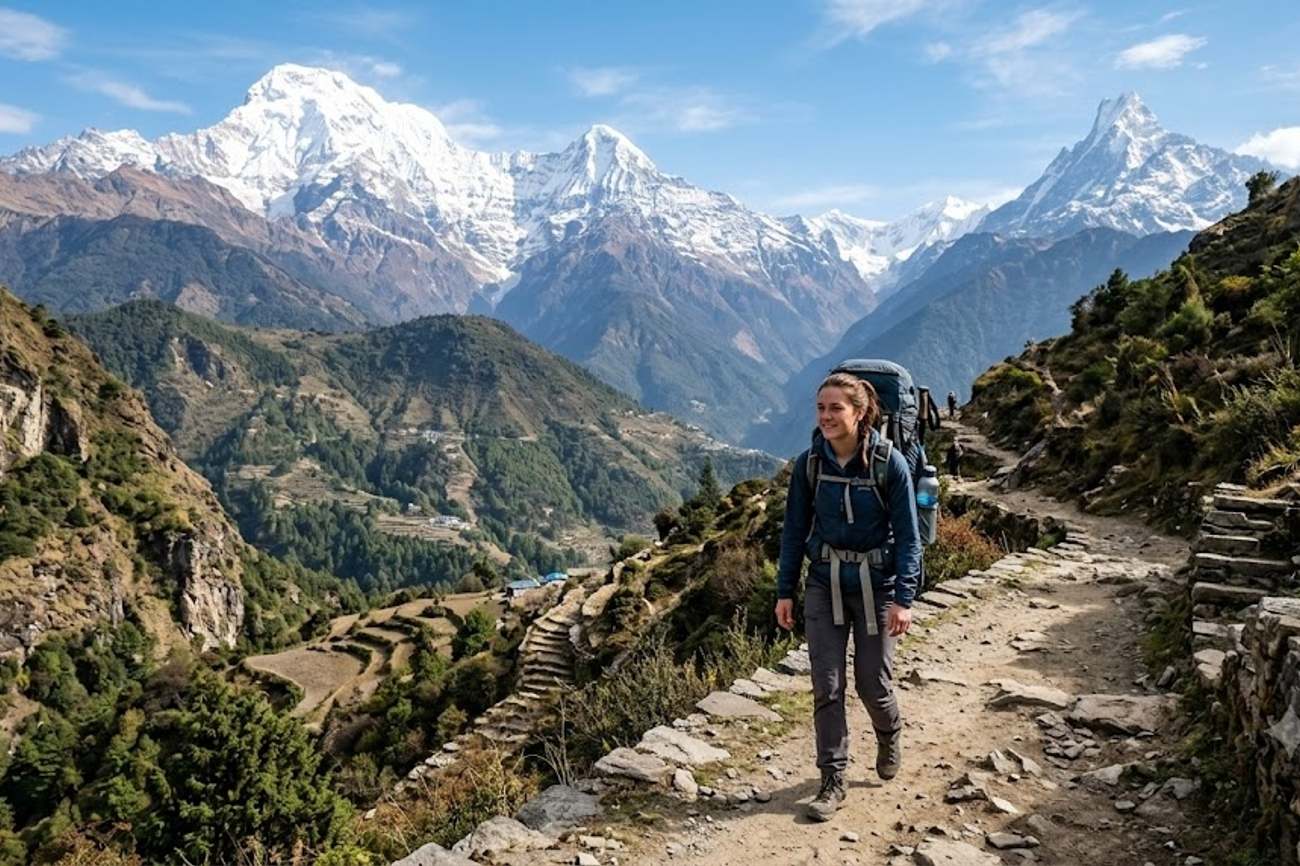
Image generated by AI
[Kathmandu, September 2024] — The Annapurna Conservation Area has recorded 17,913 foreign tourist arrivals during the month of Bhadra, signaling a sharp increase in international demand for high-altitude trekking and nature-based tourism in Nepal.
The surge in visitors, confirmed by the Annapurna Conservation Area Project (ACAP), reflects a growing global appetite for authentic Himalayan experiences. The data indicates a diverse demographic of travelers, with a significant portion of arrivals originating from South Asian neighbors and a steady stream of visitors from non-SAARC global markets. This uptick in movement comes as Nepal continues to leverage its scenic trails and cultural heritage to reclaim its position as a premier global adventure hub.
The Drivers of the Bhadra Surge
The immediate catalyst for this spike in arrivals is the strengthening global demand for outdoor, nature-centric travel and a shift away from urban tourism. According to ACAP figures, the region saw an increase of 1,638 visitors compared to the same period in the previous year. This growth is attributed to improving tourism conditions within Nepal and the seasonal transition toward the peak trekking windows of spring and autumn.
Travelers are increasingly drawn to the Annapurna region due to its unique biodiversity and the ability to traverse multiple ecological zones—ranging from subtropical forests to snow-capped peaks—within a single itinerary. The region's status as a protected zone ensures that the infrastructure remains focused on conservation-based tourism, which appeals to the modern, environmentally conscious traveler.
Who Is Affected by the Influx
The influx of nearly 18,000 visitors impacts specific districts and demographic segments. The following table breaks down the visitor distribution and the geographic areas currently experiencing the highest traffic:
| Visitor Category | Arrival Count | Primary Motivation |
|---|---|---|
| SAARC Member Nations | 12,176 | Regional accessibility and cultural ties |
| Non-SAARC Nations | 5,737 | Long-haul adventure and high-altitude trekking |
| Total Foreign Arrivals | 17,913 | Nature, Culture, and Adventure |
Geographic Impact Zones: The increased visitor volume is concentrated across five primary districts that comprise the conservation area:
- Kaski: The primary gateway for many trekkers.
- Lamjung: Known for its rugged trails and traditional villages.
- Myagdi: High-altitude access points.
- Mustang: High-desert landscapes and ancient Tibetan-influenced culture.
- Manang: High-altitude plateaus and acclimation hubs.
What This Means for Travelers
For individuals currently planning a trip to Nepal or booking Himalayan treks, these figures translate into several practical realities:
Increased Competition for Permits and Guides With a year-over-year increase of 1,638 visitors during a non-peak month, the upcoming peak autumn season is expected to be significantly more crowded. Travelers should secure their trekking permits and certified guides well in advance. The Nepal Tourism Board recommends early booking to avoid shortages in licensed personnel.
Pressure on Local Infrastructure The surge in arrivals puts direct pressure on teahouses and lodges in the Manang and Mustang districts. While this growth boosts the local economy, travelers may encounter fully booked accommodations in popular villages during peak windows.
Shift Toward Sustainable Travel Because the Annapurna Conservation Area operates on a conservation-based model, visitors should expect stricter adherence to "Leave No Trace" principles. There is an increased emphasis on environmentally responsible tourism, meaning travelers should be prepared for regulations regarding waste management and plastic use on the trails.
Diversified Cultural Access The rise in regional (SAARC) tourism suggests a more multicultural environment on the trails. Travelers can expect a blend of diverse international perspectives, particularly in the gateway hubs and high-altitude settlements.
The Economic and Ecological Roadmap
The rise in arrivals is not merely a statistic but a critical economic driver for the remote communities of the Himalayas. Tourism provides the primary source of income for local residents through the provision of accommodation, transport, and guiding services. The current growth trajectory suggests a sustainable path for local economic development, provided the balance between visitor volume and environmental preservation is maintained.
Looking forward, the Ministry of Culture, Tourism and Civil Aviation is focusing on sustainable infrastructure investments. The goal is to expand the capacity of the Annapurna region without compromising the fragile ecosystem. The focus for the remainder of the year will be managing the transition into the autumn peak, where visitor numbers typically dwarf the Bhadra statistics.
The continued interest from non-SAARC nations indicates that Nepal's brand as a world-class adventure destination remains intact. Future growth is expected to be driven by a combination of improved accessibility and a global trend toward "slow travel" and immersive cultural encounters.
FAQ: Annapurna Tourism 2024
Do I need a special permit to visit the Annapurna Conservation Area? Yes. All foreign tourists must obtain an ACAP permit and, in most cases, a TIMS (Trekkers' Information Management Systems) card. These can be processed through registered trekking agencies or official government offices in Kathmandu and Pokhara.
When is the best time to visit based on current trends? While Bhadra shows strong growth, the primary peak seasons remain spring (March to May) and autumn (September to November). These windows offer the clearest mountain views and the most stable weather for high-altitude trekking.
Is the region safe for solo travelers? While the Annapurna region is well-established, current regulations often require foreign trekkers to be accompanied by a licensed guide for safety and conservation monitoring. Always check the latest Nepal Tourism Board guidelines before departing.
How does the visitor increase affect the environment? The Annapurna Conservation Area Project (ACAP) uses a conservation-based approach to manage the 17,913+ visitors. This includes regulating trail use and utilizing tourism fees to fund the preservation of the region's biodiversity and cultural sites.
Himalayan trails are seeing a resurgence as the world returns to the peaks.
#AnnapurnaConservationArea #NepalTourism2024 #ACAP #HimalayanTrekking #KathmanduTravel #SAARCTourism
Related Travel Guides
- Amsterdam Alongside Barcelona and Venice Navigate Tourism Challenges While Strengthening Europe’s International Connections: All You Need to Know
- Germany And More Countries Drive Europe’s Multi-Modal Luxury Travel Boom as River Droughts Reshape Rhine and Danube Tourism
- Spain Seville Travel Surge With Warm October Sun Culture And Affordable City Breaks For UK Visitors
Disclaimer
This article is for informational and educational purposes only. It does not constitute legal, financial, or professional advice. While we strive to provide accurate and up-to-date information, travel policies, regulations, and conditions change rapidly. Always verify information with official sources before making travel decisions. Nomad Lawyer makes no representations about the accuracy, reliability, completeness, or suitability of the information provided. Readers should consult qualified professionals for advice specific to their circumstances. The views expressed in this article are those of the author and do not necessarily reflect the views of Nomad Lawyer.
Naina Thakur
Contributor & Travel Specialist
Travel enthusiast and legal writer covering visa regulations, responsible tourism, and cultural journeys across global destinations.
Learn more about our team →