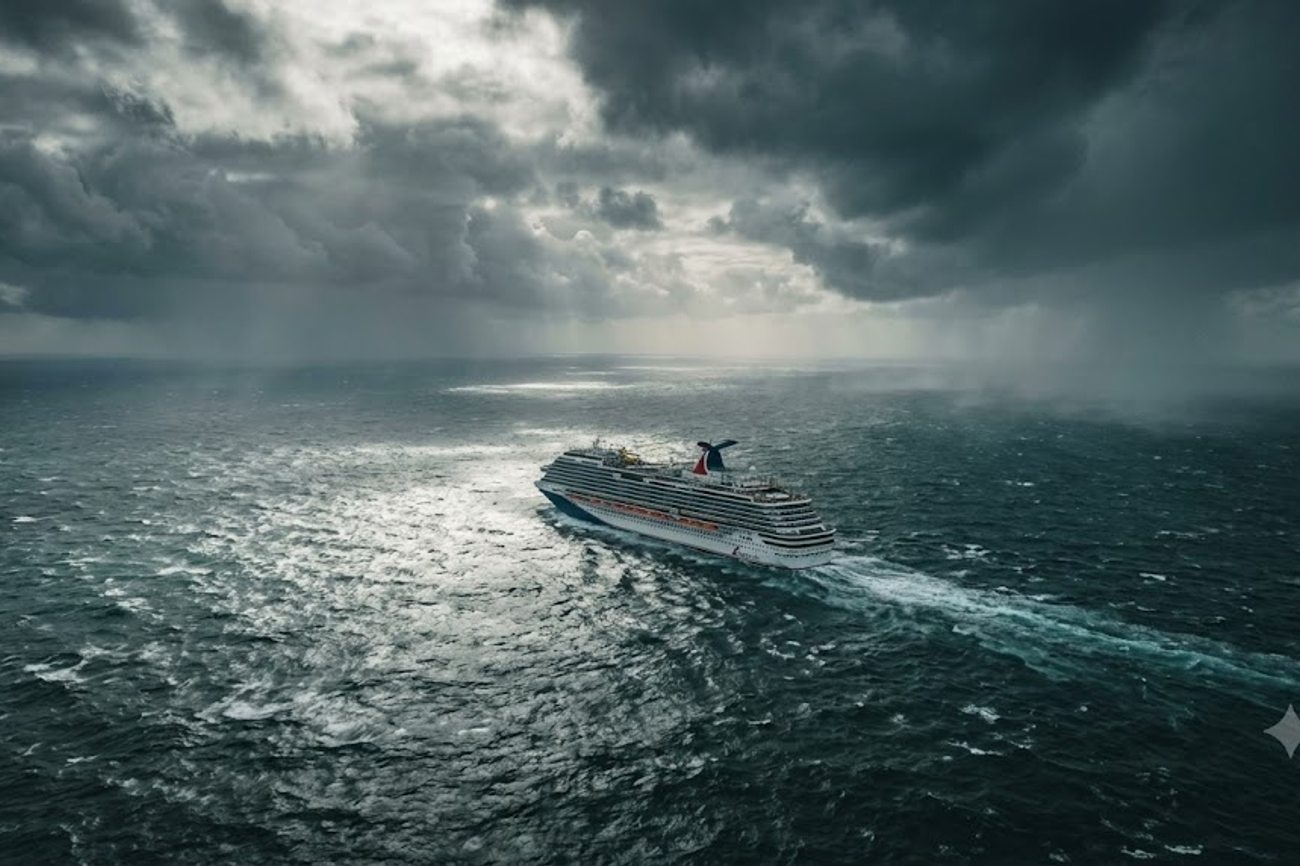
Norwegian Cruise Line Shares Near 52-Week Low Amid Debt and Profitability Concerns

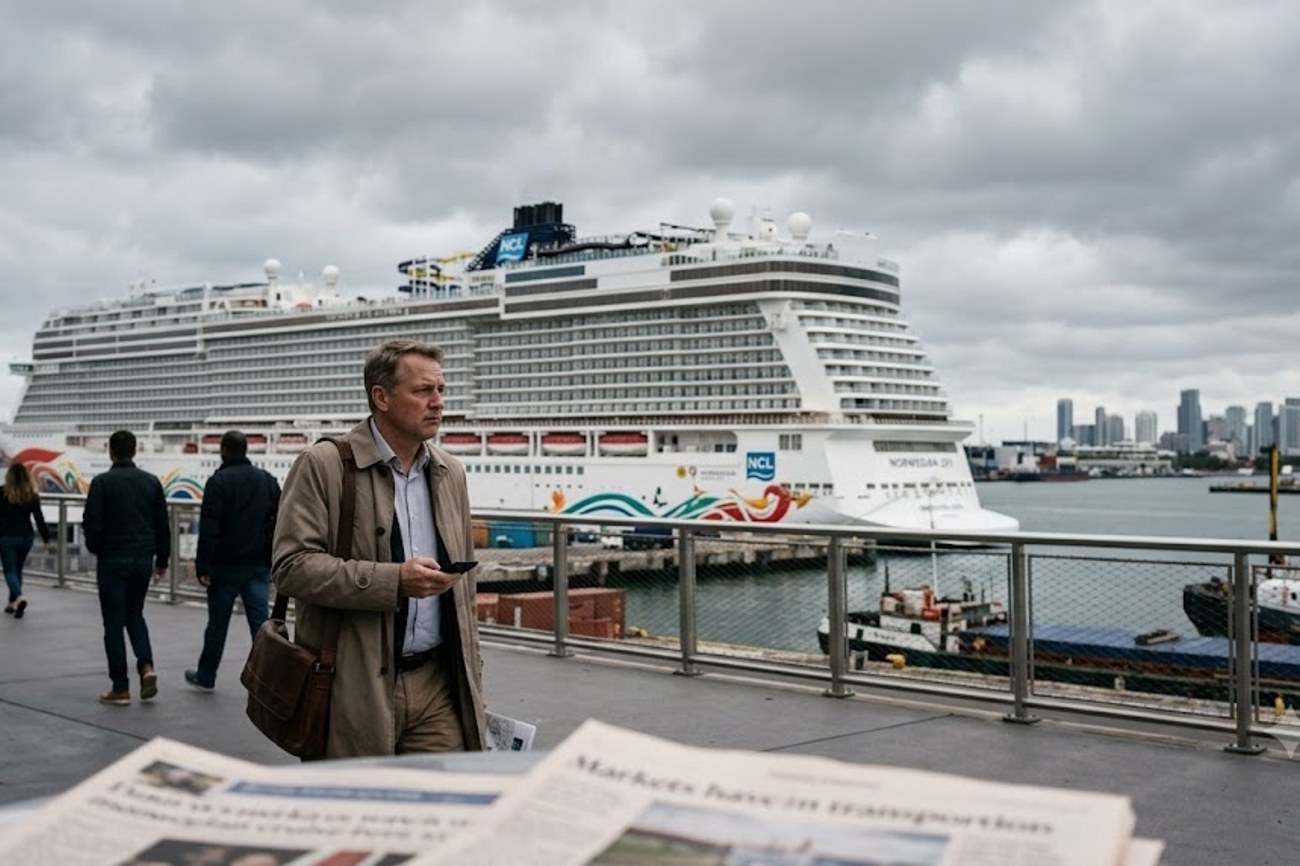
Image generated by AI
The Core Development
Investors are currently re-evaluating the valuation of Norwegian Cruise Line Holdings Ltd. as the company transitions from a post-pandemic recovery phase into a mature growth cycle. While passenger demand remains robust, the market is reacting to the gap between rising revenues and actual profitability.
The stock has experienced a notable decline, reflecting broader anxieties regarding interest rate pressures and the high cost of maintaining a competitive fleet. Market sentiment suggests that revenue growth alone is no longer sufficient to sustain share prices; investors now demand a clear path toward debt reduction and improved operating margins.
Key Facts Breakdown
- Stock Performance: As of August 31, 2026, shares closed at $16.14.
- Price Volatility: The current price represents a sharp drop from the 52-week high of $27.18 recorded in September 2025.
- Q2 2026 Revenue: Approximately $2.64 billion.
- Q2 2026 GAAP Net Income: $223 million.
- Brand Portfolio: Operates three distinct segments: Norwegian Cruise Line (Mainstream), Oceania Cruises (Premium), and Regent Seven Seas Cruises (Luxury).
- Primary Financial Pressures: High fuel costs, capital expenditure for fleet upgrades, and significant debt obligations.
Financial Performance Summary
| Metric | Value (Q2 2026) |
|---|---|
| Revenue | ~$2.64 Billion |
| GAAP Net Income | $223 Million |
| August 31 Close Price | $16.14 |
| 52-Week High (Sept 2025) | $27.18 |
Why This Matters
From a logistical and financial perspective, Norwegian Cruise Line is caught in a "growth trap." Our analysis of the data indicates that while the company successfully captured the surge in leisure travel, the cost of that capture—specifically the debt used to sustain operations and fleet expansion—is now colliding with a high-interest-rate environment.
For the cruise industry, this marks a critical pivot. The "recovery narrative" is dead. Investors are no longer impressed by the fact that ships are full; they are now scrutinizing the cost per passenger. The real impact here is the pressure on margins. When fuel costs and labor expenses rise, the company must either raise ticket prices—risking consumer pushback—or absorb the costs, which further suppresses the stock price.
Industry Outlook
The trajectory for Norwegian Cruise Line will depend on its ability to leverage its multi-brand strategy. The luxury segment (Regent Seven Seas) typically offers higher margins and is more resilient to economic downturns than the mainstream market.
Expect the company to prioritize debt restructuring and operational efficiency over aggressive fleet expansion in the coming quarters. The market will likely remain bearish until NCL can demonstrate that its $2.64 billion revenue streams can be converted into higher net income without relying on further borrowing.
Internal Link Suggestions:
- Analysis of Luxury Travel Trends 2026
- Impact of Fuel Price Volatility on Maritime Logistics
- Comparative Study: Global Cruise Line Debt Ratios
Related Travel Guides
This article is for informational purposes. Flight routes, passenger regulations, visa rules, and transit advisories are subject to change by airlines and aviation authorities. Readers are advised to verify schedules and travel documentation with relevant carriers and border agencies before departure.
Related Stories

Japan Cruise Tourism Expands for 2027 as Princess Cruises Plans 78 Departures Across 50 Itineraries
Thailand Rivals Singapore, Malaysia and Other Regional Cruise Hubs as US$10 Billion Boom Exposes the Local Value Gap