
Basel Transport to Deploy 500 Cashless Ticket Machines Across BVB Network Starting 2027
Basel's BVB transport authority is replacing 500 ticket machines with advanced cashless systems from Scheidt & Bachmann to modernize urban mobility by 2027.

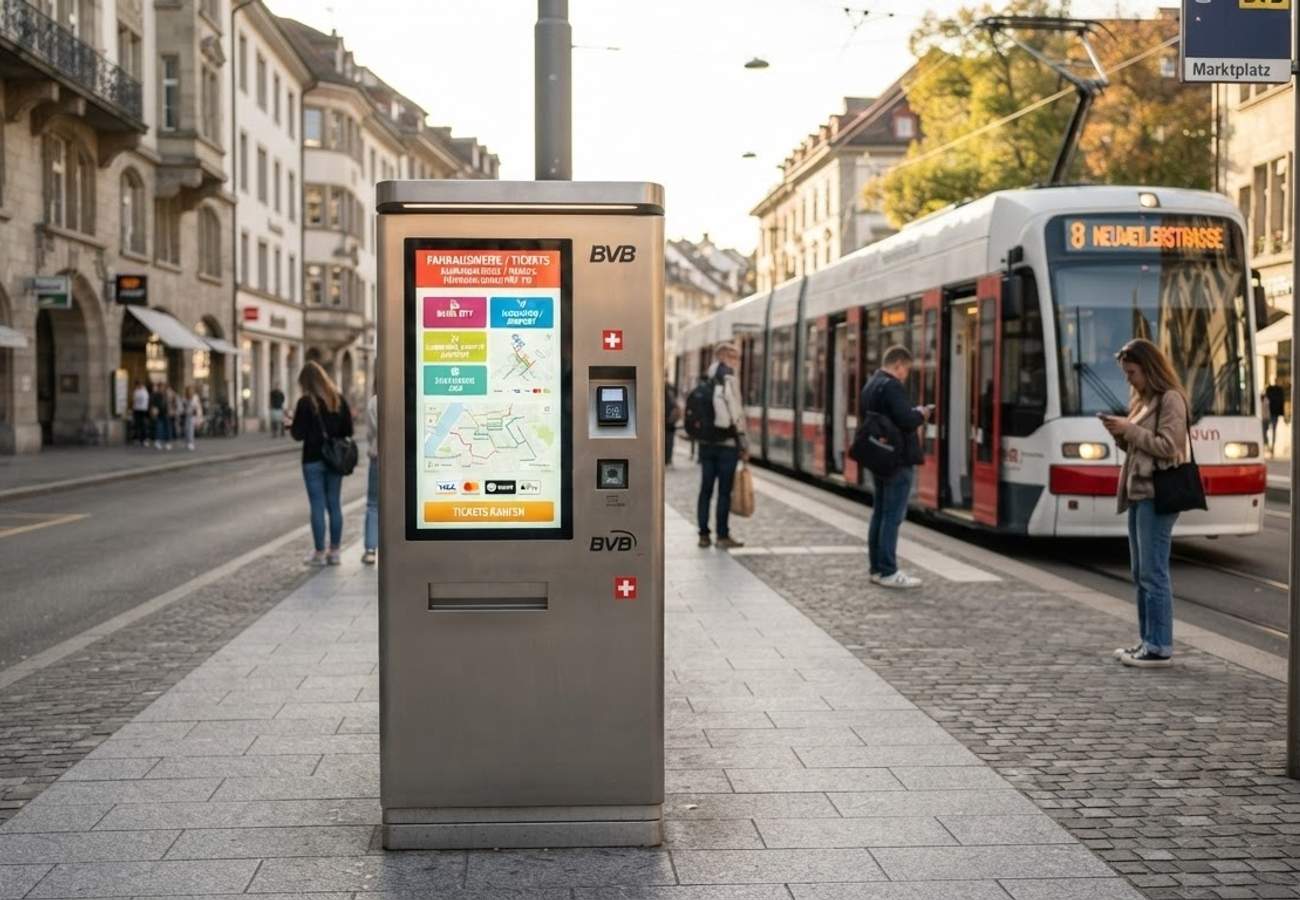
Image generated by AI
Starting in 2027, Basel is eliminating traditional cash transactions at its transit hubs by deploying 500 new digital ticket vending machines across its bus and tram networks. The Basler Verkehrs-Betriebe (BVB) has partnered with technology provider Scheidt & Bachmann to implement this systemic overhaul, aiming to streamline the passenger experience through touch-interface technology and diverse electronic payment options.
The initiative targets a significant modernization of the TNW transport area, replacing aging hardware with a fleet of high-efficiency, cashless terminals. This transition is part of a broader strategic shift toward "smart mobility," ensuring that both daily commuters and international tourists can navigate the city's transit grid without the friction of physical currency.
Scheidt & Bachmann to Lead BVB Infrastructure Overhaul
The BVB has selected Scheidt & Bachmann to spearhead the replacement of its current ticketing hardware. The contract involves the supply of 500 state-of-the-art cashless machines designed to handle high passenger volumes with minimal dwell time. Beyond the physical installation, the agreement includes a comprehensive 10-year service package covering software management, system hosting, and ongoing technical maintenance to prevent service disruptions.
This rollout will primarily affect the urban core and surrounding transit points. Approximately 363 of the new units will be positioned specifically at existing bus and tram stops, while the remaining machines will be distributed across other strategic nodes within the BVB network to ensure total coverage.
Technical Specifications of the Basel Ticketing Upgrade
The new system shifts the focus from mechanical coin-and-bill handling to a fully digital interface. The hardware features advanced touchscreens that simplify the selection process for various fare types, including local and national tickets.
| Feature | Details |
|---|---|
| Total New Units | 500 |
| Network Operator | Basel BVB |
| Technology Supplier | Scheidt & Bachmann |
| Deployment Start Date | 2027 |
| Service Agreement | 10 years |
| Payment Architecture | Cashless |
| Primary Locations | Basel bus and tram stops |
Integration of Modern Payment Ecosystems
A central component of the upgrade is the integration of diverse digital wallets and banking tools. By removing the reliance on cash, the BVB is aligning itself with global financial trends and reducing the operational costs associated with cash collection and security.
The new terminals will support a wide array of payment methods to ensure no passenger is left behind:
- Credit and Debit Cards: Full support for international and local bank cards.
- Twint: Integration of Switzerland's dominant mobile payment app, allowing for instant smartphone-based transactions.
- Prepaid Options: For those who do not use traditional banking or mobile apps, cash remains accessible indirectly via prepaid public transport card options.
Expanding Access to National Swiss Travel
One of the most significant functional improvements for the traveler is the expanded ticketing scope. The new machines are not limited to local Basel fares; they will allow users to purchase tickets for journeys spanning the entirety of Switzerland.
This capability transforms the ticket machine from a local utility into a national travel portal. Visitors landing in Basel can now organize their onward travel to other Swiss cities directly from the tram stop, reducing the need to visit manned ticket offices or navigate complex separate apps for different regions.
Transition Timeline and Passenger Impact
The transition to the new system will not happen overnight. The BVB has indicated that the replacement process will be gradual, beginning in 2027. During this phase, passengers will encounter a hybrid environment where legacy machines operate alongside the new cashless terminals.
| Traveler Consideration | Details |
|---|---|
| Network Scope | Basel bus and tram network |
| Implementation | Gradual rollout from 2027 |
| System Availability | Dual operation of old and new systems during transition |
| Recommended Payment | Bank cards or mobile wallets |
| Ticket Scope | Local and nationwide Swiss travel |
Strategic Importance for Basel Tourism
As a global hub for art, culture, and international diplomacy, Basel attracts millions of visitors who often struggle with local currency or specific ticketing rules. The shift to a touchscreen, cashless system removes the language and currency barriers that frequently hinder first-time visitors.
By streamlining the "first-mile" experience—getting from the airport or train station to a hotel or museum—the city improves its overall tourist appeal. Faster transaction times mean less congestion at busy stops during peak events, such as Art Basel, ensuring a more fluid movement of people across the urban landscape.
Why This Matters: The Shift to Frictionless Transit
For the traveler, this transition represents more than just a new machine; it is the removal of "transactional friction." In the past, a tourist might have spent several minutes searching for the correct Swiss Franc coins or struggling with a non-intuitive interface. The move to Twint and contactless cards reduces this process to a few seconds.
From a logistical standpoint, the BVB is reducing its vulnerability to vandalism and theft associated with cash-holding machines. For the city, this is a move toward data-driven transit; digital tickets provide better insights into passenger flow and peak usage times, which can eventually lead to more optimized scheduling.
The 10-year maintenance contract with Scheidt & Bachmann is a critical detail. It suggests that Basel is not just buying hardware, but investing in a living software ecosystem that can be updated remotely to add new payment methods or fare structures without needing to replace the physical machines again.
Basel's leap into a cashless future signals a new standard for urban mobility in Switzerland.
Related Travel Guides
Disclaimer
This article is for informational and educational purposes only. It does not constitute legal, financial, or professional advice. While we strive to provide accurate and up-to-date information, travel policies, regulations, and conditions change rapidly. Always verify information with official sources before making travel decisions. Nomad Lawyer makes no representations about the accuracy, reliability, completeness, or suitability of the information provided. Readers should consult qualified professionals for advice specific to their circumstances. The views expressed in this article are those of the author and do not necessarily reflect the views of Nomad Lawyer.
Raushan Kumar
Founder & Lead Developer
Full-stack developer with 11+ years of experience and a passionate traveller. Raushan built Nomad Lawyer from the ground up with a vision to create the best travel and law experience on the web.
Learn more about our team →