
Mumbai Central Railway Deploys 12 New Air-Conditioned Local Trains on June 29, 2026: Total AC Services Hit 120 Without Schedule Changes
Mumbai's Central Railway replaces 12 non-AC suburban trains with modern air-conditioned services starting June 29, 2026, bringing total AC operations to 120 weekday services while maintaining existing timetables.

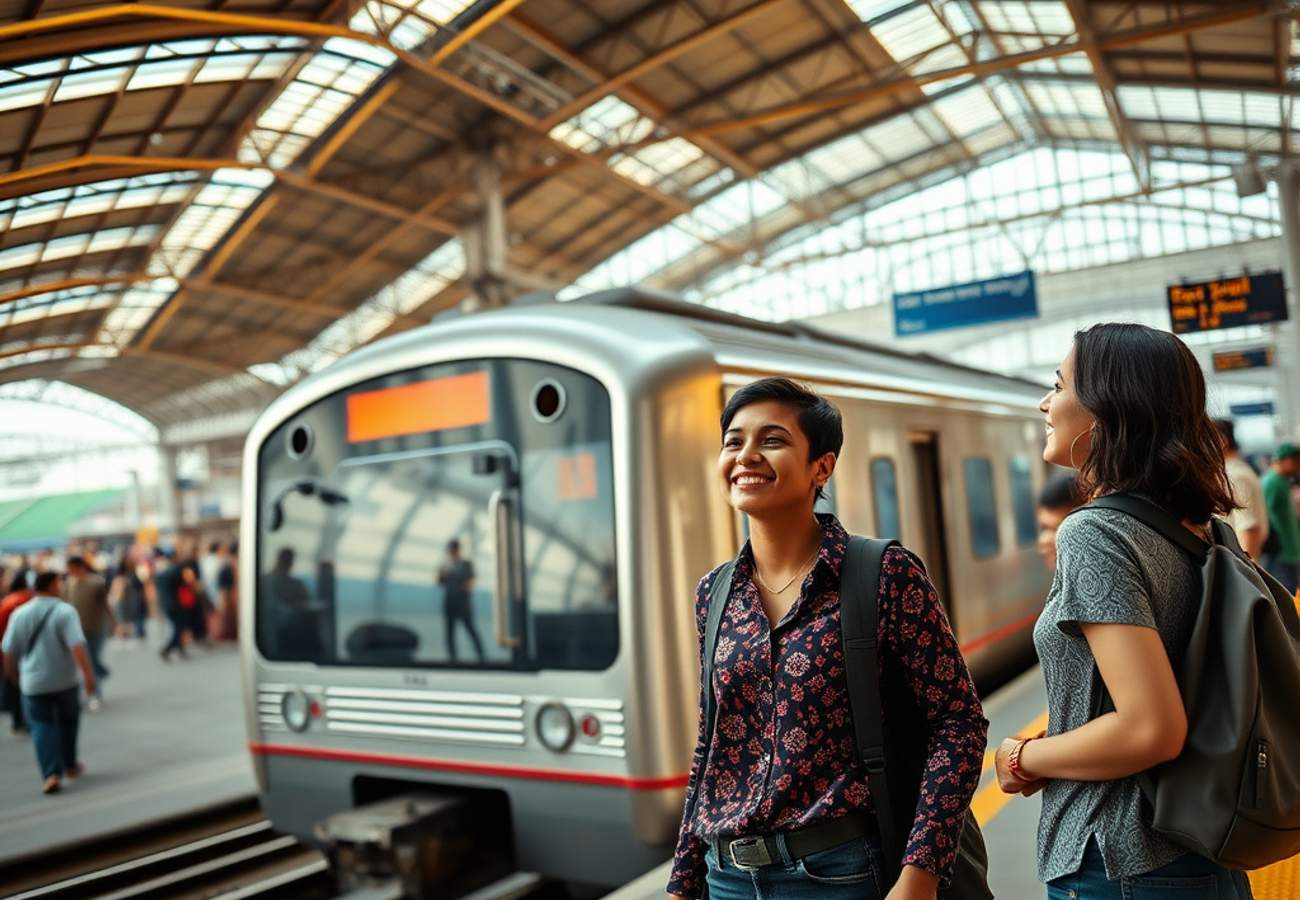
Image generated by AI
Mumbai's Quiet Railway Revolution: 12 AC Trains Change the Daily Commute
On June 29, 2026, something shifted in how millions of Mumbai commuters experience their daily journeys. Central Railway didn't announce a flashy new metro line or expanded service hours. Instead, it quietly swapped out 12 existing conventional local trains for modern air-conditioned alternatives—a strategic move that reflects how India's busiest suburban network operates: pragmatically, without fanfare.
This isn't revolutionary. But it's exactly the kind of incremental improvement that matters when you're one of 7.5 million daily passengers packed into Mumbai's suburban rail system—arguably the world's most densely used commuter network.
The Numbers: 120 AC Services, Zero Timetable Disruptions
The headline numbers tell the story. Central Railway's Main Line now operates 92 weekday AC services, up from 80. The Harbour Line continues with 28 AC services. Combined, Mumbai Division's total AC suburban fleet reached 120 services starting June 29.
Here's what makes this move genuinely smart: the timetable didn't budge. Not a single departure time changed. No service reductions. No mysterious delays that would send frustrated commuters to Twitter.
Instead of adding new train paths—a logistical nightmare on already-saturated corridors—Central Railway performed surgical replacements. Twelve existing non-AC rakes got swapped for modern, air-conditioned rolling stock. Same schedules. Same stops. Better experience.
Reddit: "Finally something that actually works without breaking the system." — r/mumbaitravel
Why This Matters More Than It Sounds
Mumbai's suburban corridors operate at near-maximum capacity. Adding extra trains isn't physically feasible without massive infrastructure investment—new signalling, platform expansions, yard modifications. That's years of work.
This approach sidesteps that problem entirely. Central Railway is essentially using fleet modernization as a lever for passenger comfort instead of service expansion. It's a finite solution to an infinite demand problem, but it's better than nothing.
The practical reality: if you're a software engineer catching the 6:46 am Titwala to Chhatrapati Shivaji Maharaj Terminus local, you're now riding in air-conditioned comfort during peak summer heat. Your commute time hasn't changed. Your fare structure hasn't jumped (that's a separate conversation). You just get better conditions.
Six services in the UP direction and six in the DOWN direction received the upgrade, strategically distributed across the timetable.
The Comfort Calculus: What AC Actually Delivers
Modern AC local trains aren't luxury vehicles. But they're dramatically better than packed conventional coaches during Mumbai's brutal April-May heat and monsoon humidity.
Passengers get:
- Automatic doors instead of manual crush-gates
- Modern passenger information systems displaying next stations and schedules
- Improved lighting and ventilation
- Better ride quality (reduced metal-on-metal shrieking)
- Cleaner interiors than aging conventional stock
For someone doing a 45-minute daily commute from Titwala to downtown Mumbai, these upgrades compound. Fatigue drops. Reliability improves. The psychological difference between sweating through your shirt versus arriving relatively fresh matters more than transit planners typically admit.
Studies on urban commuter satisfaction consistently show that temperature control ranks in the top three comfort factors. Mumbai's climate makes this especially acute.
Weekend Operations: The Practical Trade-Off
Here's the operational chess move: AC services run Monday through Saturday. Corresponding Sunday and holiday services continue with conventional non-AC train sets.
This isn't laziness. It's fleet optimization. Fewer AC rakes means more efficient maintenance scheduling. It maximizes AC rake utilization during peak weekday demand—when 95% of commuters need seats and comfort matters most.
Weekends see lower commuter volumes anyway. Most office workers aren't scrambling for 7 am trains on Sundays.
The Bigger Picture: Gradual Modernization Without Disruption
This move signals something important about how Indian Railways approaches urban transit modernization. Not revolutionary overhauls. Not massive "Phase 1, Phase 2, Phase 3" announcements that never materialize. Instead, methodical, incremental improvements that actually happen.
Since AC local trains debuted on Mumbai's network, demand has steadily grown. What started as a premium offering has become normalized. Fare adjustments—implemented carefully—have improved affordability. Ridership on AC services continues climbing.
Central Railway is essentially letting passenger behavior drive expansion. When demand proves genuine, capacity follows.
The broader challenge remains unchanged: Mumbai's metropolitan population keeps growing. That 1,820 total weekday suburban services figure—already at near-maximum capacity—will eventually prove insufficient. But that's a decades-long infrastructure question involving new corridors, grade separation, and massive capital investment.
Until then, replacing trains instead of adding them is the pragmatic answer.
What This Means for Commuters Tomorrow Morning
If you're catching a Mumbai suburban train on June 29, 2026 or beyond, the probability of landing on an AC service has just increased. Not dramatically—you might still hit a conventional train—but noticeably.
Your departure time stays identical. Your fare stays put. Your platform number doesn't shift.
The actual experience? Fractionally better. Cooler. Cleaner. More reliable information about delays.
In a city of 20+ million people where daily life moves at breakneck pace, that's meaningful.
The best infrastructure improvements are the ones nobody notices because they just work. ✓
Related Travel Guides
Disclaimer
This article is for informational and educational purposes only. It does not constitute legal, financial, or professional advice. While we strive to provide accurate and up-to-date information, travel policies, regulations, and conditions change rapidly. Always verify information with official sources before making travel decisions. Nomad Lawyer makes no representations about the accuracy, reliability, completeness, or suitability of the information provided. Readers should consult qualified professionals for advice specific to their circumstances. The views expressed in this article are those of the author and do not necessarily reflect the views of Nomad Lawyer.
Raushan Kumar
Founder & Lead Developer
Full-stack developer with 11+ years of experience and a passionate traveller. Raushan built Nomad Lawyer from the ground up with a vision to create the best travel and law experience on the web.
Learn more about our team →