
Eastern Railway Infrastructure Projects Surge in FY26 Across 20+ Stations
Eastern Railway launches major FY26 infrastructure expansion spanning electrification, signalling upgrades, and station modernization across Bengal and Jharkhand. Over 20 stations benefit from comprehensive rail network improvements in 2026.

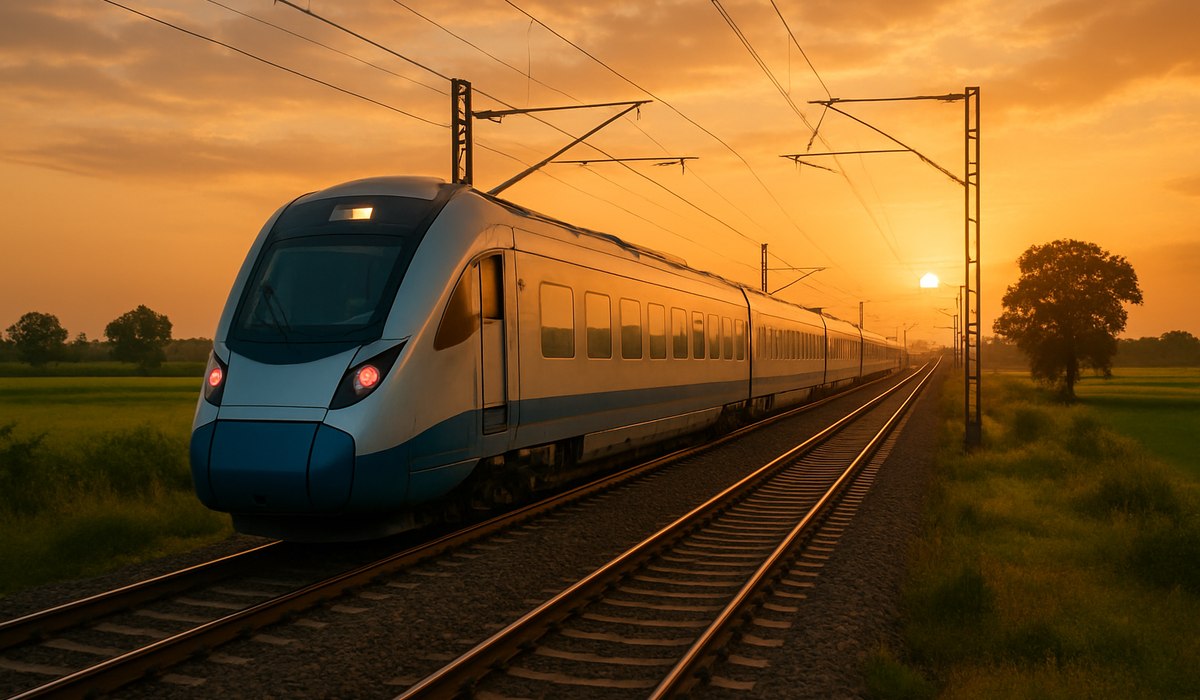
Image generated by AI
Eastern Railway Accelerates Major FY26 Infrastructure Expansion
Eastern Railway is executing an ambitious portfolio of infrastructure development initiatives throughout FY26, reshaping rail connectivity across Bengal and Jharkhand. The Eastern Railway infrastructure projects initiative encompasses comprehensive modernization affecting over 20 stations with simultaneous upgrades to electrification systems, signalling technology, and track infrastructure. This coordinated expansion represents one of the largest regional rail modernization efforts, designed to enhance service reliability, increase operational capacity, and improve passenger experience across the Eastern corridor.
The fiscal year 2026 marks a pivotal moment for Eastern Railway's long-term infrastructure vision. Multiple projects running in parallel demonstrate the organization's commitment to transforming regional rail travel through systematic, large-scale investment. These upgrades directly impact journey times, service frequency, and safety standards for millions of commuters and long-distance travelers relying on Eastern Railway networks.
Eastern Railway's FY26 Infrastructure Expansion Overview
Eastern Railway's comprehensive FY26 program addresses critical infrastructure gaps accumulated over decades. The initiative prioritizes balanced development across electrification, signalling systems, and station facilities. This holistic approach ensures that modernization efforts create synergistic benefits rather than isolated improvements.
The FY26 expansion strategy reflects Indian Railways' broader commitment to technological advancement and operational excellence. Eastern Railway leadership has allocated substantial budget resources toward projects that promise immediate passenger benefits alongside long-term network resilience. The initiative encompasses both major terminal stations and smaller secondary stations, ensuring equitable infrastructure distribution across the Eastern Railway jurisdiction.
Station development remains central to the expansion strategy. Platforms are being upgraded to accommodate longer trains, while passenger amenities receive systematic enhancement. Digital ticketing infrastructure, real-time information systems, and improved waiting facilities are being standardized across participating stations.
For detailed project timelines and specific station information, visit the official Indian Railways website for authoritative updates on Eastern Railway modernization initiatives.
Key Projects: Electrification and Signalling Upgrades
Electrification projects represent the largest component of Eastern Railway's FY26 infrastructure expansion. Converting remaining diesel-dependent routes to electric traction improves operational efficiency, reduces fuel costs, and minimizes environmental impact. Electrification work progresses across multiple branch lines, with completion targets distributed throughout fiscal 2026.
Advanced signalling system deployment represents an equally transformative initiative. Modern signalling technology replaces aging mechanical systems, enabling higher-frequency services and improved safety protocols. The implementation of automated train protection systems reduces accident risk while optimizing railway capacity. Real-time monitoring dashboards now track train movements across Eastern Railway networks with unprecedented precision.
Signal cabin modernization proceeds at major junction stations, where complex track configurations demand sophisticated control systems. These upgraded facilities allow dispatchers to manage train movements more efficiently, reducing delays and improving service predictability. Installation of electronic interlocking systems eliminates manual switching errors that previously caused operational disruptions.
The convergence of electrification and signalling upgrades creates multiplicative benefits. Electric trains operating under advanced signalling control can run at higher frequencies, increasing passenger capacity without expanding physical track infrastructure. This technological synergy represents smart investment in existing corridors.
Learn more about Indian railway modernization initiatives through Railway Ministry announcements, which provides comprehensive coverage of infrastructure developments affecting passenger services.
Station Development and Track Modernization
Station modernization encompasses infrastructure improvements extending beyond passenger amenities. Track geometry enhancement ensures smoother rides while reducing maintenance requirements. Concrete sleeper replacement projects strengthen track foundations, improving long-term stability and reducing noise pollution in surrounding communities.
Over 20 stations participate in this coordinated development initiative. Platforms are being extended to accommodate longer rakes, increasing train capacity on high-demand routes. Station building renovations introduce modern architectural standards while preserving heritage elements at historically significant locations. WiFi connectivity, charging stations, and improved lighting systems enhance contemporary passenger experience expectations.
Platform screen door installation at major stations improves safety and climate control. These systems prevent unauthorized track access while reducing electricity consumption through better thermal regulation. Accessible design modifications ensure mobility-impaired passengers can navigate stations independently.
Track doubling projects on selected segments eliminate bottlenecks that previously restricted service frequency. These infrastructure investments allow Eastern Railway to introduce additional service patterns, reducing travel times on congested corridors. Parallel track construction requires precise engineering coordination to maintain operations during construction phases.
Yard reorganization at major terminals improves train formation efficiency. Modern locomotive facilities with electric charging infrastructure replace outdated diesel maintenance sheds. These improvements reduce train turnaround times, enabling faster service cycles and improved operational productivity.
Impact on Regional Connectivity and Travel
Enhanced Eastern Railway infrastructure projects directly improve travel experiences for millions of regional passengers. Electrified routes enable cleaner, quieter train operations with superior acceleration characteristics. Passengers benefit from reduced journey times as advanced signalling permits higher operating speeds on modernized corridors.
The FY26 modernization initiative strengthens connectivity between major employment centers across Bengal and Jharkhand. Improved rail infrastructure makes commuter rail viable for longer distances, supporting regional economic development. Business travelers experience increased service frequency and reduced delays, improving productivity for corporate operations dependent on reliable rail transport.
Tourism benefits significantly from improved infrastructure. Heritage routes serve growing numbers of leisure travelers, while enhanced scheduling accommodates peak-season demand. Better station facilities and improved onboard services elevate overall travel quality for pleasure travelers.
Freight operations gain capacity through track modernization and electrification projects. Reduced transit times benefit agricultural producers, manufacturing enterprises, and e-commerce logistics operations. Economic efficiency gains cascade through regional supply chains, supporting broader development objectives.
How to Book the Best Fare
Strategic booking approaches help travelers maximize value when using modernized Eastern Railway services. Booking advance journeys captures discounted fares, as last-minute travel commands premium pricing. Early morning departures typically offer better availability and competitive fares compared to peak-evening services.
Season pass acquisition reduces per-journey costs for frequent commuters. Monthly and quarterly passes provide substantial savings compared to daily ticketing for regular travelers. Group bookings qualifying for corporate discounts accommodate business travel requirements cost-effectively.
Digital booking platforms offer superior fare transparency and real-time availability information. Mobile applications enable seamless reservation management, allowing fare comparison across departure times and seat classes. Cashback offers and promotional discounts frequently reduce effective ticket costs for app-based bookings.
Traveling during off-peak seasons captures seasonal fare reductions. Academic calendar vacations and festival periods command premium pricing, while shoulder-season travel offers superior value. Flexible schedule adjustments enable passengers to capture significantly lower fares.
Access booking platforms through The Trainline for comprehensive Indian railway fare comparisons, though verification through official Indian Railways portals ensures accurate, authoritative booking information and real-time seat availability.
Infrastructure Investment Data Summary
| Project Component | Station Count | Timeline | Key Benefit | Investment Scope |
|---|---|---|---|---|
| Electrification Works | 15+ stations | FY26 ongoing | Reduced emissions, lower operating costs | Branch line conversion |
| Signalling System Upgrades | 18+ stations | FY26 phases | Improved safety, higher frequency services | Modern traffic management |
| Platform Extensions | 12+ stations | Rolling completion | Increased train capacity, longer formations | Passenger volume growth |
| Track Modernization | 8+ major corridors | Distributed schedule | Superior ride quality, reduced maintenance | Infrastructure longevity |
| Station Building Renovation | 20+ locations | Staged completion | Contemporary amenities, improved wayfinding | Passenger experience enhancement |
| Digital Infrastructure | 25+ touchpoints | Progressive deployment | Real-time information, mobile ticketing | Operational transparency |
What This Means for Travelers
- Expect improved journey comfort through electrified services operating on modernized track infrastructure with superior ride quality and reduced noise pollution.
Disclaimer
This article is for informational and educational purposes only. It does not constitute legal, financial, or professional advice. While we strive to provide accurate and up-to-date information, travel policies, regulations, and conditions change rapidly. Always verify information with official sources before making travel decisions. Nomad Lawyer makes no representations about the accuracy, reliability, completeness, or suitability of the information provided. Readers should consult qualified professionals for advice specific to their circumstances. The views expressed in this article are those of the author and do not necessarily reflect the views of Nomad Lawyer.
Raushan Kumar
Founder & Lead Developer
Full-stack developer with 11+ years of experience and a passionate traveller. Raushan built Nomad Lawyer from the ground up with a vision to create the best travel and law experience on the web.
Learn more about our team →