
India Railway Bullet Train: Underground Tunnel Work Launches in 2026
India railway bullet train project enters critical underground phase as tunnel boring machines arrive in Mumbai. The high-speed rail corridor connecting Mumbai and Ahmedabad accelerates in 2026.

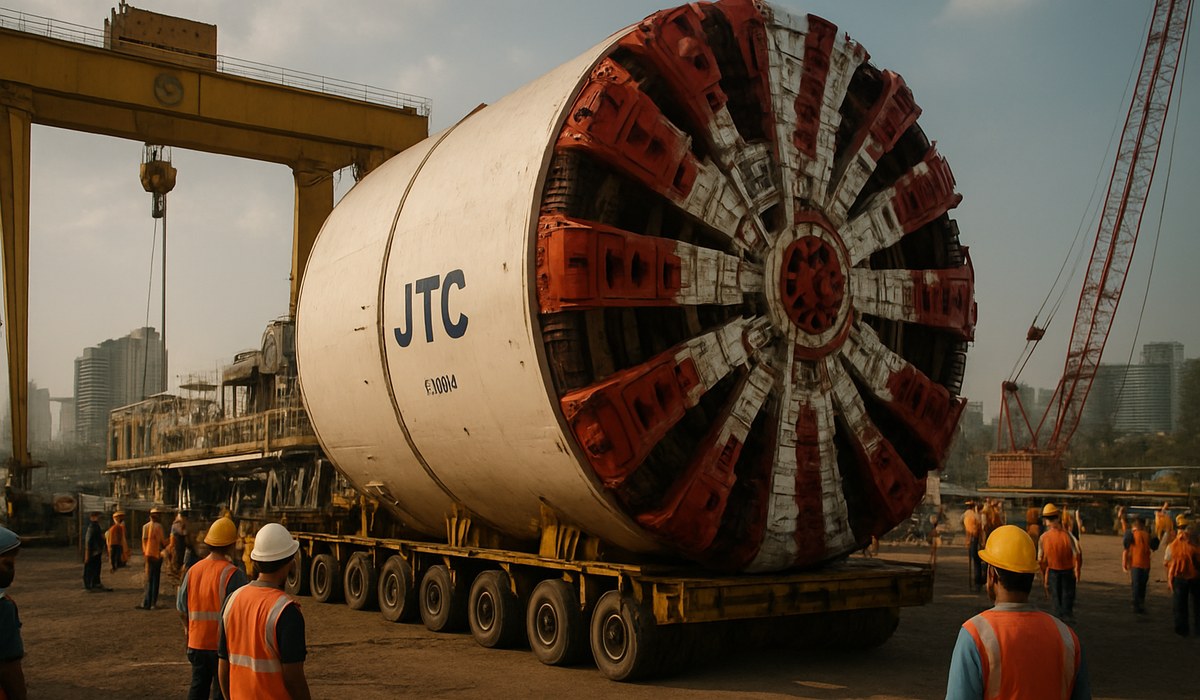
Image generated by AI
Lede
The India railway bullet train project has entered a transformative phase as massive tunnel boring machines arrive to commence underground construction work. The Mumbai-Ahmedabad high-speed corridor, a cornerstone infrastructure initiative, shifts into its tunneling phase this month. This acceleration marks a pivotal moment for India's modern rail network and reshapes travel connectivity between two commercial powerhouses.
Underground Tunnel Excavation Begins for India Railway Bullet Train
Tunnel boring machines have now landed in India, triggering the start of underground excavation for the India railway bullet train corridor. These specialized drilling rigs will carve pathways through soil and rock beneath the Mumbai metropolitan area and the surrounding Ahmedabad region. The machinery represents cutting-edge technology imported specifically for this high-speed rail venture.
The tunneling phase was originally scheduled for completion across multiple years. However, accelerated timelines mean sections will open sooner than initially projected. Engineers estimate that underground work will continue through 2027 in certain segments. The tunnel network will accommodate trains traveling at speeds exceeding 300 kilometers per hour, fundamentally transforming regional train travel. For detailed updates on this project, travelers can monitor the official High Speed Rail India website for public announcements.
Route Details: Mumbai to Ahmedabad via Underground and Elevated Sections
The Mumbai-Ahmedabad bullet train corridor spans approximately 508 kilometers, connecting India's financial capital to a major manufacturing and trade hub. The route incorporates both surface-level elevated viaducts and newly constructed underground tunnels. Underground sections reduce journey disruption in densely populated areas while underground tunnels allow the train to bypass urban congestion entirely.
The corridor will feature twelve stations across Mumbai and intermediate cities en route to Ahmedabad. Major stations include Bandra-Sepoy, Dadar, and strategic stops in Gujarat. Underground stations in Mumbai employ pressurized ventilation systems and emergency evacuation protocols designed for high-speed underground rail travel. The complete Mumbai to Ahmedabad journey will take approximately two hours once operational, compared to six hours for conventional train travel. Current construction updates can be found on Trainline's India rail information portal.
Ticket Types and Pricing Structure for High-Speed Travel
Ticketing for the India railway bullet train will introduce premium fare structures reflecting the advanced infrastructure and speed. Standard economy seating will offer basic high-speed rail access, while business-class cabins will provide enhanced comfort for longer-distance travelers. Pricing models remain under development, though early estimates suggest fares will position between conventional express trains and domestic aviation.
Children, seniors, and disabled passengers will access concession rates following Indian Railways' traditional discount frameworks. Group bookings will receive volume-based pricing incentives. Season passes for frequent Mumbai-Ahmedabad commuters will deliver cost savings for regular business travelers. Dynamic pricing algorithms will adjust fares based on demand and booking windows, similar to airline models. Reserved seating will be mandatory; no unreserved general compartments are planned for this service.
How to Book the Best Fare
Booking the India railway bullet train requires advance planning and strategic timing to secure optimal pricing. The official reservation platform will open approximately 120 days before your intended travel date, allowing ample time for fare comparison. Early-bird bookings during the first week typically offer discounted rates compared to last-minute reservations.
Create an account on the Indian Railways ticket portal using your Aadhaar number or passport details. Search for your preferred date on the Mumbai-Ahmedabad route and compare available train compositions. Midweek travel (Tuesday-Thursday) generally features lower fares than weekend departures. Off-peak months outside holiday seasons offer additional savings. Subscribe to price alerts on Trainline to receive notifications when fares drop. Payment options include credit cards, debit cards, mobile wallets, and net banking through the official system.
Onboard Amenities and Underground Travel Experience
High-speed trains on the India railway bullet train route provide premium onboard facilities that exceed conventional train standards. Each car features climate-controlled environments with individual seat adjustments, USB charging ports, and onboard Wi-Fi connectivity. Dining cars will serve vegetarian and non-vegetarian meals prepared by professional catering services.
The underground travel experience includes pressure equalization systems preventing ear discomfort in tunnels. Windows in underground sections feature protective glazing, and lighting automatically adjusts based on external conditions. Real-time journey updates display on personal seatback screens showing speed, destination proximity, and station arrival times. Emergency communication systems connect passengers directly to train staff. Lavatories employ advanced water recycling and sanitation technology designed for high-speed operations.
Station Facilities: Mumbai and Ahmedabad Terminals
Mumbai's dedicated bullet train terminal will integrate with existing Bandra-Sepoy conventional railway infrastructure, creating a unified mobility hub. The underground station occupies multiple levels beneath street-level Mumbai, with dedicated passenger elevators, escalators, and climate-controlled waiting areas. Security screening occurs before entry to dedicated bullet train platforms.
Ahmedabad's terminal station similarly features modern amenities including baggage storage, restaurant facilities, and retail outlets. Both major stations will offer paid parking for private vehicles and integrate with public bus networks. Airport connectivity from Ahmedabad station provides seamless onward travel options via the adjacent Sardar Vallabhbhai Patel International Airport. Travelers should arrive ninety minutes before departure for security and boarding procedures.
Project Timeline and Future Service Expansion
The India railway bullet train project targets initial revenue service commencement in late 2028. Current tunneling activities accelerate this timeline by completing critical underground sections ahead of schedule. Phase one will connect Mumbai and Ahmedabad only; subsequent phases plan extensions toward Bangalore and other commercial centers.
Government infrastructure investment of over Rs. 1 lakh crore supports this megaproject, making it India's largest transportation investment. Japanese technology partnership through a bilateral agreement ensures global best practices in tunnel boring, safety systems, and operational protocols. Completion of surface infrastructure and station construction proceeds parallel to tunneling activities.
| Project Metric | Specification | Current Status |
|---|---|---|
| Total Route Distance | 508 km | Active Construction |
| Journey Duration | 2 hours | Design Finalized |
| Maximum Speed | 320 km/h | Technology Imported |
| Number of Stations | 12 stations | Under Development |
| Underground Tunnel Length | 80+ km | Excavation Commenced |
| Estimated Launch Year | 2028 | On Track |
| Investment Value | Rs. 1+ Lakh Crore | Funded |
What This Means for Travelers
The India railway bullet train introduces transformative changes for business and leisure travelers connecting Mumbai and Ahmedabad. First, journey times reduce dramatically from six hours by conventional train to just two hours, making same-day round trips feasible for professionals. Second, premium comfort standards rival domestic flight travel, with climate control and modern seating replacing traditional train compartments.
Third, pricing will position between budget trains and aircraft, potentially attracting price-conscious business travelers seeking faster service than conventional rail. Fourth, underground tunneling through Mumbai reduces surface congestion and environmental impact from elevated infrastructure. Fifth, the corridor establishes precedent for future high-speed rail projects across India, expanding connectivity beyond these two cities within the next decade. Sixth, integration with airport terminals creates seamless multimodal journey options for international travelers.
Finally, this project positions India among nations operating modern bullet train networks alongside Japan, France, and China, elevating India's global transportation infrastructure standards. Travelers should monitor official announcements regarding advance booking dates and early fare structures.
FAQ Section
When will the India railway bullet train begin operations between Mumbai and Ahmedabad? The India railway bullet train is targeting late 2028 for initial revenue service commencement. Current underground tunnel boring machine arrivals in March 2026 mark the acceleration of construction activities. Critical tunneling phases must complete before surface infrastructure finalization and safety certifications commence.
What is the expected journey time on the India railway bullet train from Mumbai to Ahmedabad? The complete Mumbai to Ahmedabad journey on the India railway bullet train will take approximately two hours. This represents a 66% reduction compared to six-hour conventional train travel on the same route. Maximum operating speeds of 320 kilometers per hour enable this significant time compression across the 508-kilometer corridor.
How much will tickets cost for the India railway bullet train service? Final ticket pricing for the India railway bullet train remains under development by operating authorities. Early estimates position fares between conventional express trains and domestic aviation. Premium business-class seating will command higher fares than economy cabins, with concessions available for children, seniors, and disabled passengers.
Will underground stations on the India railway bullet train provide adequate safety and emergency facilities? Underground stations on the India railway bullet train employ pressurized ventilation systems, multiple emergency evacuation routes, and communication systems connecting passengers to trained staff. Design standards exceed international high-speed rail safety requirements. Emergency lighting, fire suppression systems, and medical response teams operate continuously during service hours.
Related Travel Guides
India High-Speed Rail Network: Complete 2026 Travel Guide
Mumbai Transportation Hub: Connecting Airports and Railway Terminals
Ahmedabad Business Travel: International Connections and Local Transit
Disclaimer
Disclaimer
This article is for informational and educational purposes only. It does not constitute legal, financial, or professional advice. While we strive to provide accurate and up-to-date information, travel policies, regulations, and conditions change rapidly. Always verify information with official sources before making travel decisions. Nomad Lawyer makes no representations about the accuracy, reliability, completeness, or suitability of the information provided. Readers should consult qualified professionals for advice specific to their circumstances. The views expressed in this article are those of the author and do not necessarily reflect the views of Nomad Lawyer.
Kunal K Choudhary
Co-Founder & Contributor
A passionate traveller and tech enthusiast. Kunal contributes to the vision and growth of Nomad Lawyer, bringing fresh perspectives and driving the community forward.
Learn more about our team →