
AfDB $650M Kampala-Malaba Railway: Uganda's Trade Gateway Unlocked
African Development Bank signals $650 million support for Kampala-Malaba Standard Gauge Railway, transforming Uganda's regional trade infrastructure and reshaping East African logistics networks for travelers and businesses.

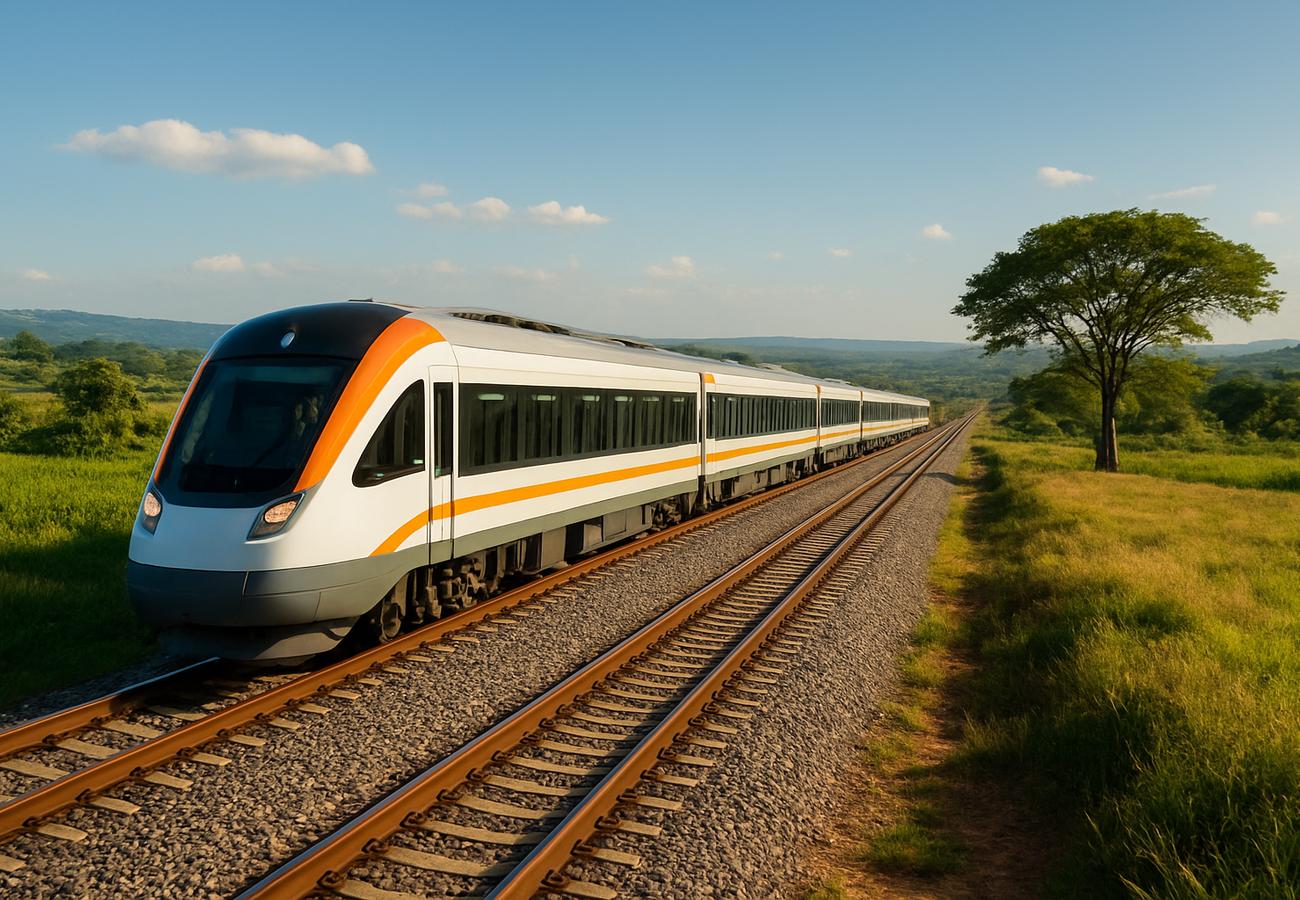
Image generated by AI
A Decade-Long Dream Gets Real Funding
After years of stalled planning and false starts, Uganda's transformative railway ambition just entered the funding zone. The African Development Bank (AfDB) has tentatively committed approximately $650 million toward the Kampala–Malaba Standard Gauge Railway (SGR), marking the most concrete financial signal for a project that could fundamentally reshape how goods move across East Africa.
The announcement emerged from discussions during the AfDB's 2026 Annual Meetings in Brazzaville, where Ugandan government officials presented their case to senior bank representatives. According to Uganda's Ministry of Finance, Planning and Economic Development, the institution has earmarked around 480 million Units of Account (UA) for the railway corridor—a development that has instantly shifted investor sentiment from skeptical to cautiously optimistic.
Reddit: "If Uganda finally builds this rail line, it changes everything for East African logistics. Fewer trucks on those brutal highways, faster shipping windows, lower freight costs across the board." — r/travel
Why This Railway Matters Beyond Uganda
Here's what most travelers and business operators miss: Uganda is landlocked. That simple geography explains why transportation costs consume enormous chunks of export profits and why supply chain delays plague manufacturers across the country. Roads deteriorate quickly under heavy truck traffic. Border crossings create bottlenecks.
The proposed Kampala–Malaba corridor directly addresses this vulnerability by creating a rail link to Malaba, a critical border town, which then connects seamlessly into Kenya's railway infrastructure and provides direct access to the Port of Mombasa. This isn't just about moving freight faster—it's about unlocking East African trade potential that's been constrained by logistics inefficiency for decades.
According to government planners, the railway will:
- Dramatically reduce transportation costs for agricultural exports, fuel, and manufactured goods
- Improve cargo movement reliability and reduce delivery times
- Strengthen Uganda's position as a regional trade hub
- Form a critical component of the Northern Corridor, East Africa's primary trade route to international markets
The Financial Reality: $650M Covers Only Part of the Picture
Here's where the analysis becomes critical: while $650 million represents substantial validation, it covers only a portion of the total project investment required. Current estimates place the total cost at approximately €2.7 billion—more than $3 billion—meaning Ugandan authorities still need to close a financing gap of roughly $2.35 billion.
The government has been in active discussions with multiple development finance institutions, export credit agencies, and international lenders to secure the remaining resources. Officials have indicated that the final financing structure will likely combine:
- Direct government contributions
- Additional development finance institution support
- Export credit financing arrangements
- Alternative financing structures currently under exploration
This patchwork approach is standard for megaprojects in developing nations, but it also means execution timelines remain fluid.
Still Provisional—Approval Process Ahead
A crucial detail: this allocation remains provisional, not yet finalized. Both Ugandan and AfDB officials have emphasized that the commitment is contingent upon further appraisal procedures and formal approval processes. The real test comes in June 2026, when an scheduled appraisal mission will evaluate project feasibility, financial structuring, and implementation readiness.
The funding package must also clear approvals under the African Development Fund framework, adding another layer of institutional review. Think of the current announcement as an emphatic "yes, we're interested" rather than a signed contract.
Turkish Contractor Already Mobilizing
Yapi Merkezi, a Turkish infrastructure company, secured the engineering, procurement, and construction contract back in 2024 after earlier financing arrangements collapsed. The contractor has already commenced initial preparatory activities, but large-scale construction cannot proceed until the full financing package is mobilized.
This is actually encouraging—it means the project isn't starting from zero. Equipment specifications, engineering designs, and preliminary logistics are already advancing. Once financing closes, construction could accelerate significantly.
The railway project has experienced multiple delays over the past decade, making this latest AfDB commitment particularly meaningful for officials eager to move from planning into execution phase.
The Broader Regional Implications
Beyond Uganda, the railway's success carries profound significance for East African economic integration and logistics efficiency. Neighboring countries, port operators, manufacturers, and logistics companies across the region are monitoring progress closely because a fully functional Kampala–Malaba–Mombasa corridor could fundamentally alter how cargo moves through East Africa.
For businesses dependent on efficient port access, the railway represents more than infrastructure—it's a competitive advantage waiting to be unlocked.
AfDB's Growing Infrastructure Commitment
The African Development Bank has substantially increased its focus on railway-related projects across Uganda and the broader continent. Through various programs, the bank has financed railway rehabilitation efforts, procurement initiatives, and infrastructure upgrades designed to improve transportation efficiency and strengthen regional integration.
Bank officials have emphasized that major transport corridors like Kampala–Malaba align directly with AfDB's strategic objective: developing resilient infrastructure capable of driving sustainable economic growth across Africa. This $650 million signal suggests the bank views the project as a high-priority, strategic investment.
What's Next: The June 2026 Appraisal Mission
Attention now shifts to the upcoming appraisal process and the final institutional approvals. If reviews proceed as expected, Uganda's most ambitious railway project could transition from decades of planning into genuine construction phase—potentially beginning one of East Africa's most transformative infrastructure initiatives.
The timeline remains compressed but achievable. By late 2026, we should have clarity on whether this financing package closes successfully or faces additional obstacles.
One East Africa's most significant transport ambitions edges closer to reality—if the bureaucracy cooperates.
Related Travel Guides
Hidden constraint holding back AI in travel hospitality 2026
Travel Insurance Becomes Essential for U.S. Visitors in 2026
Disclaimer
This article is for informational and educational purposes only. It does not constitute legal, financial, or professional advice. While we strive to provide accurate and up-to-date information, travel policies, regulations, and conditions change rapidly. Always verify information with official sources before making travel decisions. Nomad Lawyer makes no representations about the accuracy, reliability, completeness, or suitability of the information provided. Readers should consult qualified professionals for advice specific to their circumstances. The views expressed in this article are those of the author and do not necessarily reflect the views of Nomad Lawyer.
Preeti Gunjan
Contributor & Community Manager
A passionate traveller and community builder. Preeti helps grow the Nomad Lawyer community, fostering engagement and bringing the reader experience to life.
Learn more about our team →