
Mount Fuji Off-Season Climbing Crisis: Japan Tightens Laws as Foreign Tourists Ignore Seasonal Bans
Foreign tourists are ignoring Mount Fuji's official seasonal closures, triggering a safety crisis that's forcing Japanese authorities to propose stricter penalties and rescue cost recovery measures.

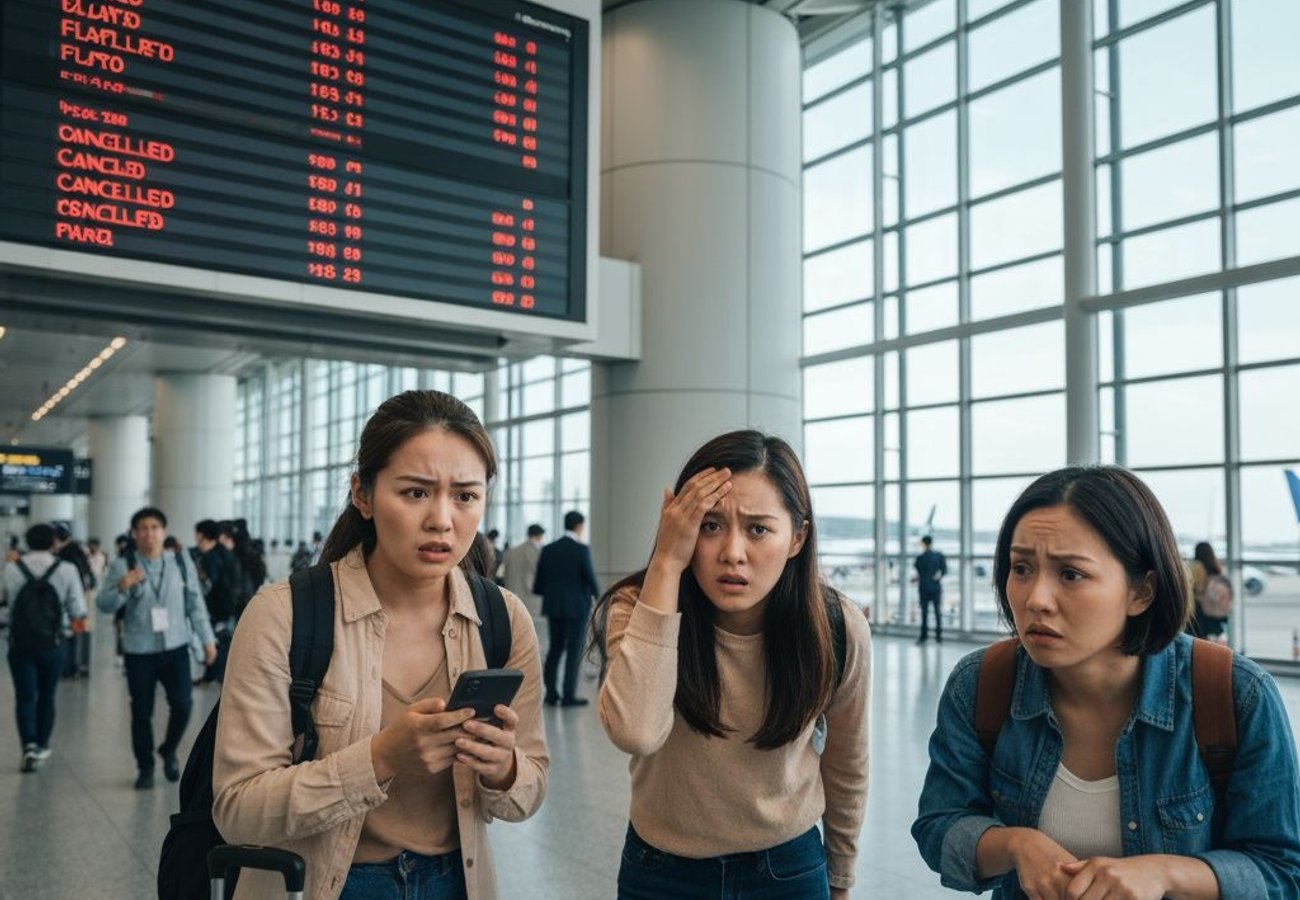
Image generated by AI
The Perfect Storm: Why Mount Fuji Is Becoming a Rescue Nightmare
Mount Fuji stands as Japan's most iconic natural landmark—and increasingly, a growing crisis.
Foreign tourists are systematically ignoring official seasonal closures to attempt off-season climbs. The result? A cascade of emergency rescues, mounting public costs, and a fundamental clash between adventure tourism freedom and public safety governance.
What started as scattered incidents has evolved into a genuine policy crisis that has forced Japanese authorities to propose dramatic interventions: mandatory rescue cost recovery, stricter legal penalties, and enhanced enforcement mechanisms.
I've covered tourism crises across Asia, and what's happening on Mount Fuji reveals a deeper problem: the global mismatch between what tourists believe they can do and what local governments can actually manage safely.
Off-Season Conditions: Why Authorities Aren't Exaggerating the Danger
Here's what casual climbers fundamentally misunderstand: Mount Fuji during off-season is not the same mountain.
The official climbing season runs from early July through September. Outside this window, conditions shift dramatically. Temperatures plummet. Visibility becomes unpredictable. Weather patterns turn violent with minimal warning. Trail infrastructure that supports thousands of seasonal climbers simply disappears.
Reddit: "I tried to climb Fuji in May thinking I was prepared. Weather changed in 40 minutes. Got lost. Helicopter rescue cost me nothing but could've killed me." — r/travel
Local rescue teams have documented a disturbing pattern: climbers arriving with inadequate gear, insufficient acclimatization knowledge, and zero understanding of Japanese mountain safety protocols. What they perceive as "adventure" authorities recognize as medical emergencies waiting to happen.
The mountain environment during closed periods features:
- Rapid temperature swings (sometimes 20+ degree shifts within hours)
- Severe icing and snow accumulation on upper slopes
- Limited visibility caused by persistent cloud systems
- Zero shelter infrastructure along most routes
- Emergency services stretched thin due to seasonal staffing reductions
Hypothermia cases have become routine. Disorientation incidents are common. Each rescue demands helicopter deployment, specialized mountain rescue teams, and coordination across regional authorities.
The Financial Bleeding: How Taxpayers Are Funding Preventable Rescues
Hidetada Sudo, a key official driving policy reform, has been blunt about the cost implications.
Each Mount Fuji rescue operation consumes massive resources. Helicopter deployment alone runs tens of thousands of dollars per mission. Specialized rescue team mobilization, extended search operations, and medical evacuation create cascading expenses that drain local government budgets.
These aren't theoretical costs. During 2024-2025, Mount Fuji rescue operations consumed resources that officials argue should be allocated to legitimate public safety priorities. Some rescue missions have required 12+ hours of active emergency response under hazardous conditions.
The fundamental inequity bothers policymakers: Japanese taxpayers are subsidizing rescues for tourists who deliberately circumvent clearly communicated restrictions.
The Legal Crackdown: New Penalties and Cost Recovery Measures
Japanese authorities are moving toward enforcement mechanisms that would fundamentally change the risk calculus for off-season climbers.
Proposed measures include:
Mandatory rescue cost recovery: Climbers who violate seasonal restrictions and require rescue would be billed for the full operational expense. This shifts financial responsibility away from public budgets and directly toward rule-violators.
Stricter legal penalties: Officials are exploring criminal and civil penalties for individuals attempting unauthorized climbs, particularly repeat offenders.
Enhanced barrier systems: Physical barriers at key access points would be strengthened, making unauthorized route access deliberately difficult.
Multilingual enforcement: Given the preponderance of foreign climbers, authorities are implementing targeted education campaigns in English, Mandarin, Korean, and other primary tourist languages.
According to recent policy discussions on Japanese mountain governance, the shift reflects growing frustration with voluntary compliance approaches.
Reddit: "Japan shouldn't have to rescue people who ignore 'closed' signs. Make them pay the full cost. Problem solved in one season." — r/travel
The philosophy here is direct: personal responsibility must align with personal risk-taking. If you ignore warnings and require rescue, you pay for it.
The Tension: Adventure Freedom vs. Collective Safety Obligation
Not everyone agrees that stricter penalties represent good policy.
Some climbers—particularly experienced mountaineers—argue that with proper preparation, off-season ascents can be undertaken safely. They contend that ability-based access restrictions treat all climbers as incompetent, denying experienced mountaineers reasonable mountain access.
Authorities have been unmoved by this argument. Their position is grounded in operational reality: no government can distinguish between genuinely prepared climbers and reckless tourists until after rescue operations commence. By that point, resources are already diverted and lives are already at risk.
The seasonal closure system exists precisely because Mount Fuji's conditions during closed periods present unpredictable, life-threatening dangers that transcend individual preparation levels. Weather on the mountain can incapacitate even experienced climbers within minutes. Rescue infrastructure simply doesn't exist outside the official season.
The Symbolic Dimension: Tourism Pressure on Sacred Mountains
Mount Fuji carries profound cultural and symbolic significance in Japan. It's not merely a climbing destination—it's a sacred mountain with deep spiritual and national importance.
The surge in foreign adventure tourism has created genuine tension. Millions of international visitors want to climb Mount Fuji. Tourism operators profit from off-season expeditions marketed as "exclusive experiences." Climbers arrive expecting that if problems arise, Japanese rescue systems will save them.
Meanwhile, local communities and officials watch repeated rescue operations exhaust resources while environmental and cultural integrity face mounting pressure.
According to Japan's tourism authority, Mount Fuji attracts approximately 300,000 climbers annually during the official season. Off-season attempts, while smaller in absolute numbers, represent a disproportionate drain on emergency resources relative to the volume of people involved.
The Practical Reality: Why Barriers and Signs Aren't Working
Japan has already implemented substantial deterrence infrastructure.
Physical barriers block primary access routes. Multilingual warning signage covers all major entry points. Official guidance documents—available in numerous languages—explicitly communicate dangers and legal restrictions.
Yet violations continue.
This speaks to a broader tourism challenge: how do you enforce restrictions on foreign visitors who may not fully understand local law, cultural norms, or institutional authority? Some tourists interpret warnings as suggestions. Others believe their preparation makes restrictions inapplicable to them. Some simply underestimate how dramatically mountain conditions differ from expectations.
Officials acknowledge that enforcement presents genuine challenges. You can't statistically prevent every unauthorized climb through physical infrastructure alone. You need legal consequences that create genuine disincentives.
Looking Forward: Sustainable Mountain Governance
The Mount Fuji situation is crystallizing a broader global conversation about how tourism destinations balance access with sustainability.
Japanese policymakers are moving toward a model where tourism governance becomes increasingly structured and consequence-based. This may include:
- Dynamic pricing systems that charge higher fees during high-demand periods
- Mandatory insurance requirements that make unauthorized climbing financially irrational
- Digital permits that track climber movements and enforce duration restrictions
- Enhanced environmental monitoring to assess sustainable visitor volumes
The shift reflects growing recognition that "open access" models increasingly fail at scale. Mountains aren't infinitely resilient. Rescue systems have finite capacity. Communities deserve preservation rights over their sacred spaces.
Mount Fuji's crisis isn't really about the mountain—it's about whether tourism can be genuinely sustainable, or whether some destinations need harder boundaries.
Related Travel Guides
Disclaimer
This article is for informational and educational purposes only. It does not constitute legal, financial, or professional advice. While we strive to provide accurate and up-to-date information, travel policies, regulations, and conditions change rapidly. Always verify information with official sources before making travel decisions. Nomad Lawyer makes no representations about the accuracy, reliability, completeness, or suitability of the information provided. Readers should consult qualified professionals for advice specific to their circumstances. The views expressed in this article are those of the author and do not necessarily reflect the views of Nomad Lawyer.
Kunal K Choudhary
Co-Founder & Contributor
A passionate traveller and tech enthusiast. Kunal contributes to the vision and growth of Nomad Lawyer, bringing fresh perspectives and driving the community forward.
Learn more about our team →