
US Travel Alert 2026: Essential Documentation Checklist
Active travel alert warns US citizens to verify passports, visas, and backup plans before international travel in 2026. Critical steps to take now.

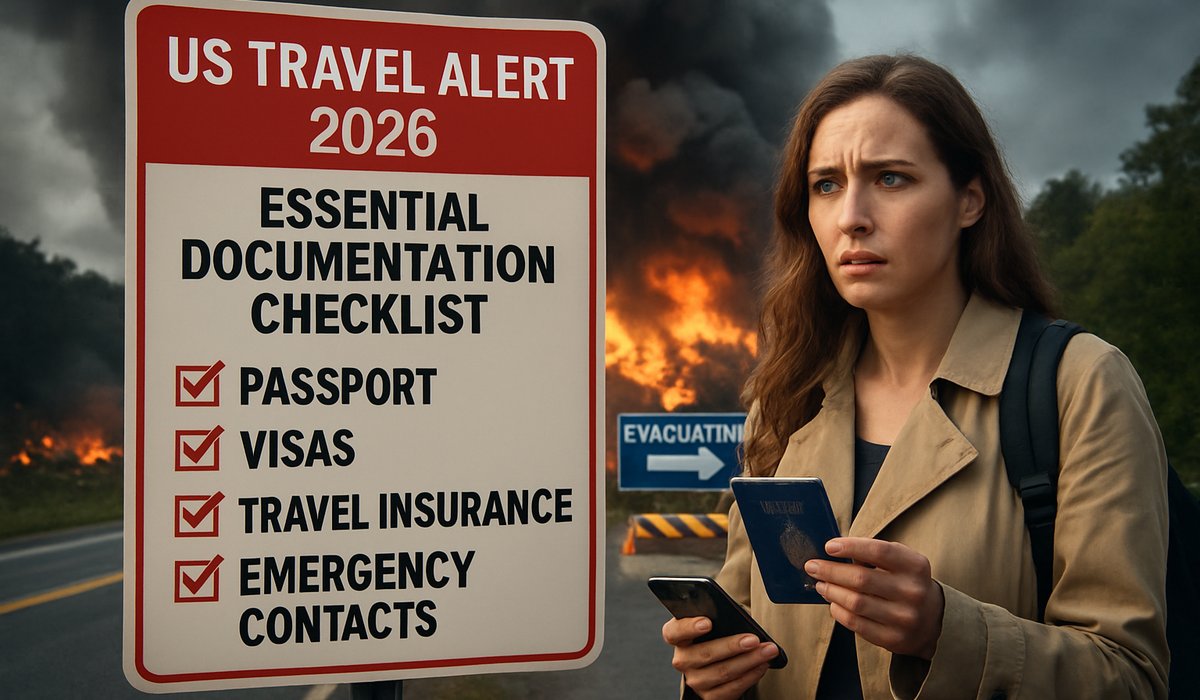
Image generated by AI
An active travel alert is now in effect for American citizens planning international trips in 2026, and the message is clear: preparation is non-negotiable. Whether you're dreaming of European summers, Asian adventures, or Caribbean escapes, the time to verify your travel credentials and contingency plans is now—not at the airport.
This advisory comes at a critical juncture when travel documentation requirements are tightening globally, and delays in processing can derail even the most carefully planned itineraries. Understanding what you need to do today will save you from heartbreak and financial loss tomorrow.
Why This Travel Alert Matters for 2026
The current travel alert reflects evolving international security protocols and documentation standards that affect every American traveler. Airlines, border authorities, and destination countries are implementing stricter verification processes, meaning outdated or incomplete paperwork can result in denied boarding or entry refusal.
The stakes are higher than ever. A single missing document or an expired credential could mean:
- Missing your flight entirely
- Being turned away at international borders
- Incurring expensive rebooking fees
- Losing non-refundable vacation deposits
- Experiencing significant travel delays
This isn't bureaucratic theater—it's a genuine shift in how the world manages international travel. The alert serves as a wake-up call for procrastinators and a confirmation for organized travelers that their diligence is warranted.
Your Essential Pre-Travel Documentation Checklist
Passport Verification: The Foundation of International Travel
Your passport is your golden ticket to the world, but only if it's valid. The first step is checking your passport's expiration date. Many countries require your passport to be valid for at least six months beyond your intended departure date—some require even longer.
Don't assume your passport is where you left it. Locate it physically and verify:
- Expiration date (aim for 6+ months validity)
- Blank pages available for stamps
- No damage to the document or photo page
- Correct personal information
If your passport expires within the next 12 months, apply for renewal immediately. Processing times can stretch from weeks to months, depending on demand and your location.
Visa Requirements: Know Before You Go
Visa requirements vary dramatically by destination, and they change frequently. The country you visited five years ago might have different entry requirements today. Use the official State Department website or your destination country's embassy portal to verify current visa needs.
Create a spreadsheet tracking:
- Each destination country
- Visa requirement status (visa-free, visa-on-arrival, advance visa required)
- Processing times and costs
- Application deadlines
- Required supporting documents
Some visas require weeks of processing, and applications submitted too close to your departure date may be rejected outright.
Travel Insurance and Medical Documentation
A travel alert isn't just about paperwork—it's about protection. Comprehensive travel insurance has become essential, not optional. Your policy should cover medical emergencies, trip cancellations, and evacuation.
Additionally, gather:
- Vaccination records (some countries still require proof of specific immunizations)
- Prescription medication lists with generic names
- Doctor's letters for any medical devices or medications you're carrying
- Travel health insurance documentation with 24/7 contact numbers
Building Your Contingency Plan
Why Backup Plans Matter
Travel rarely goes exactly as planned. Flights get cancelled, borders close unexpectedly, and emergencies happen. A solid contingency plan transforms a crisis into a manageable detour.
Your contingency plan should address:
- Flight disruptions: Know your airline's rebooking policy and have contact information for your travel agent or airline readily available
- Border closures: Identify alternative routes to your destination
- Medical emergencies: Know where the nearest English-speaking hospital is located
- Lost documents: Have digital copies stored securely in cloud storage and email them to yourself
- Financial backup: Carry backup credit cards and know how to access emergency funds
Digital Backup Strategy
In 2026, digital redundancy is non-negotiable. Create encrypted digital copies of:
- Passport photo page and visa pages
- Travel insurance documents
- Flight confirmations and hotel reservations
- Emergency contact information
- Credit card numbers (stored securely, not in plain text)
Store these in at least two separate cloud services and email critical documents to yourself. If your physical documents are lost or stolen, digital copies can expedite replacement and help you continue your journey.
Emergency Contact Network
Before departure, establish a communication protocol with family or friends at home. Provide them with:
- Your itinerary and accommodation details
- Emergency contact numbers for your destinations
- Your travel insurance provider's emergency line
- Instructions for accessing your digital document backups
This network becomes invaluable if you face unexpected situations requiring coordination with people back home.
Timeline: When to Take Action
Now (60+ days before departure):
- Verify passport validity
- Research visa requirements
- Apply for visas if needed
- Purchase travel insurance
- Begin gathering required documents
30 days before departure:
- Confirm all visa approvals
- Double-check airline requirements
- Verify hotel and transportation confirmations
- Create digital backups of all documents
- Review travel insurance coverage details
14 days before departure:
- Confirm final itinerary with all providers
- Notify your bank of travel dates
- Pack and organize all physical documents
- Test access to digital backups
- Brief your emergency contact network
72 hours before departure:
- Final verification of all documents
- Confirm flight times and check-in procedures
- Review airline baggage policies
- Ensure phone/data plan works internationally
Common Documentation Mistakes to Avoid
Even experienced travelers make preventable errors. Don't fall into these traps:
Expired documents: Passports, visas, and travel permits all have expiration dates. Set phone reminders for renewal deadlines.
Incomplete visa applications: Missing a single required document can delay approval by weeks. Read requirements carefully and submit everything requested.
Outdated travel insurance: Policies purchased years ago may not cover current risks. Review and update your coverage annually.
Assuming visa-free entry: Rules change. Verify your specific nationality's entry requirements for each destination, even if you've traveled there before.
Forgetting digital backups: Physical documents can be lost, stolen, or damaged. Digital copies are your safety net.
Ignoring health requirements: Some destinations require specific vaccinations or health documentation. Check requirements at least 4-6 weeks before departure to allow time for vaccinations if needed.
What Happens If You're Unprepared
The consequences of ignoring this travel alert range from inconvenient to catastrophic:
- Denied boarding: Airlines won't let you on the plane without proper documentation
- Border refusal: You could be turned away at your destination and forced to return home
- Quarantine or detention: Some countries impose quarantine for documentation issues
- Financial loss: Non-refundable bookings, flights, and accommodations are typically forfeited
- Damaged travel record: Multiple entry denials can affect future visa applications
These aren't hypothetical scenarios—they happen to thousands of travelers annually, often to people who thought "it would be fine."
Taking Action: Your Next Steps
The travel alert is active, and the time for action is now. Here's your immediate to-do list:
- Locate your passport and verify its expiration date
- Visit the State Department website to check visa requirements for your destination
- Apply for any needed visas immediately—don't wait
- Purchase comprehensive travel insurance from a reputable provider
- Create digital backups of all travel documents
- Establish your contingency plan and brief your emergency contacts
- Set calendar reminders for each deadline in your timeline
International travel in 2026 requires more preparation than ever, but that preparation is entirely within your control. The difference between a seamless journey and a travel nightmare often comes down to whether you took these steps seriously.
Don't let bureaucratic oversights derail your travel dreams. Start today, verify everything, and travel with confidence knowing you're fully prepared for whatever comes your way.
Related Travel Guides
- Poland Fully Activates Biometric Entry/Exit System at All Borders
- US States With the Highest Crimes Against Persons: Safety Alert for Tourists
- Washington Aligns with National Campaigns to Promote Orchard Tourism in Washington and Columbia River Outdoor Adventures, Urging Pacific Northwest Travelers to Visit: New Travel Alert
Disclaimer
This article is for informational and educational purposes only. It does not constitute legal, financial, or professional advice. While we strive to provide accurate and up-to-date information, travel policies, regulations, and conditions change rapidly. Always verify information with official sources before making travel decisions. Nomad Lawyer makes no representations about the accuracy, reliability, completeness, or suitability of the information provided. Readers should consult qualified professionals for advice specific to their circumstances. The views expressed in this article are those of the author and do not necessarily reflect the views of Nomad Lawyer.
Raushan Kumar
Founder & Lead Developer
Full-stack developer with 11+ years of experience and a passionate traveller. Raushan built Nomad Lawyer from the ground up with a vision to create the best travel and law experience on the web.
Learn more about our team →