
Controversial Security Program: TSA Public-Private Partnership Launched in 2026
The TSA's new controversial security program partners with private firms to accelerate airport screening in 2026, triggering widespread debate over traveler privacy, data security, and equitable access across U.S. airports.

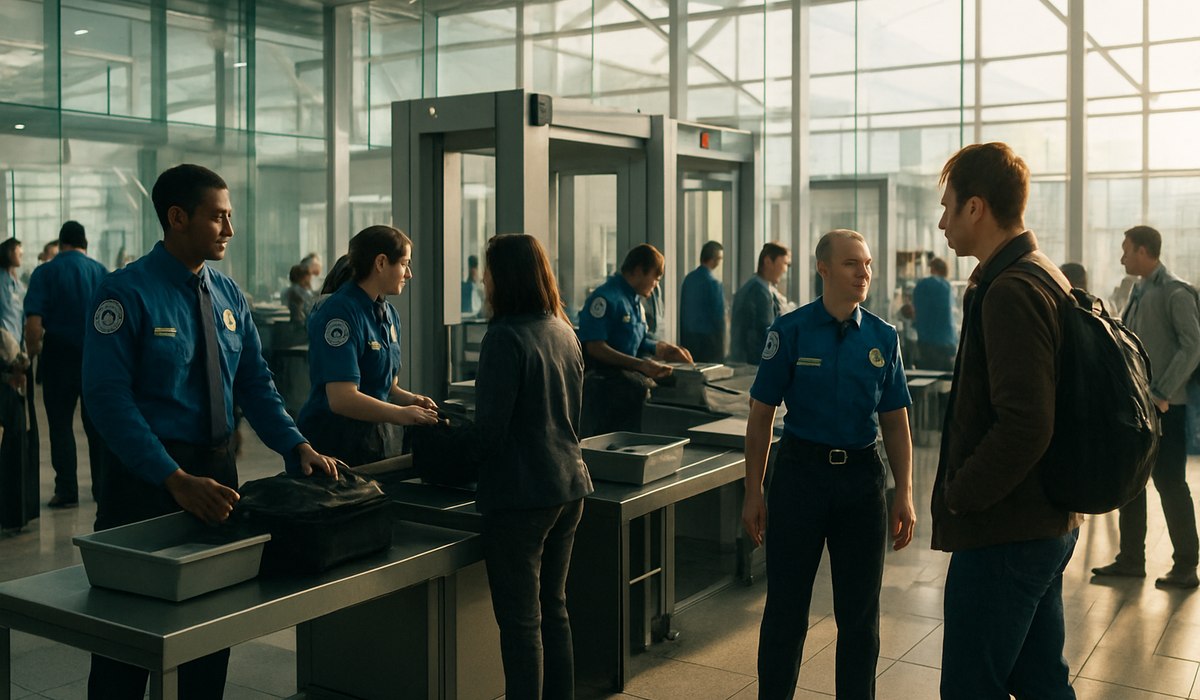
Image generated by AI
TSA Launches Controversial Security Program Amid Industry Upheaval
The Transportation Security Administration has officially rolled out a new controversial security program combining government oversight with private-sector technology and personnel. This public-private partnership aims to reduce airport screening delays and expedite the security checkpoint experience for millions of travelers annually. The initiative, which went live in select airports nationwide, marks a significant departure from traditional TSA-only operations. However, the controversial security program has immediately drawn scrutiny from privacy advocates, civil rights organizations, and passenger advocacy groups concerned about data handling and equitable access standards.
Understanding the TSA's Public-Private Security Framework
The controversial security program operates through a hybrid model where private security contractors work alongside TSA officers at designated checkpoint lanes. These private partners deploy advanced biometric scanning technology, AI-powered threat detection systems, and streamlined passenger flow management. The program prioritizes speed while maintaining security standards, integrating new screening equipment that TSA previously lacked resources to implement independently.
The controversial security program currently operates in 12 major metropolitan airports, including hubs in Atlanta, Dallas, Los Angeles, and New York. Private vendors handle passenger data collection, facial recognition processing, and behavioral analysis—functions traditionally reserved for government agencies. This arrangement allows TSA to expand screening capacity without directly hiring additional federal staff, potentially reducing operational costs while accelerating clearance times.
According to TSA's official announcement, the program successfully processes passengers 40% faster during peak hours compared to traditional checkpoints. Private companies contracted include technology firms specializing in biometric systems and airport operations management. The controversial security program represents an experimental approach to solving chronic airport congestion issues affecting U.S. travel infrastructure.
Impact on Travelers: Speed Versus Privacy Trade-Offs
Travelers using the controversial security program report significantly reduced wait times, with average checkpoint processing dropping from 18 minutes to under 11 minutes. Early adopters praise the expedited experience, particularly during holiday travel and peak season operations. However, this speed improvement comes with notable accessibility challenges.
The controversial security program requires travelers to enroll in digital biometric databases, share personal health information, and consent to behavioral monitoring systems. Passengers unable or unwilling to participate in these data-sharing requirements face routing to traditional TSA-only checkpoints, potentially creating longer waits. This two-tiered system raises equity concerns, as privacy-conscious travelers and vulnerable populations may experience disproportionate delays.
Families traveling with children note complications with the controversial security program's facial recognition requirements. Some passengers report unexpected delays after system misidentification or age-verification errors. Business travelers appreciate expedited processing for frequent trips, while occasional flyers express concerns about permanent biometric data retention policies.
Privacy and Equity Concerns Regarding the Controversial Security Program
The controversial security program's data governance practices have triggered intense debate among privacy experts and civil liberties organizations. The Electronic Frontier Foundation has documented potential vulnerabilities in private contractor data security protocols. Biometric information collected through the program enters private databases with varying protection standards compared to federal government systems.
Civil rights organizations raise critical questions about algorithmic bias within the controversial security program's AI-powered threat detection systems. Facial recognition technology demonstrates documented disparities in accuracy rates across different demographic groups, potentially leading to disproportionate secondary screening for specific passenger populations. The controversial security program lacks transparent performance metrics publicly disclosing these accuracy disparities.
Data retention policies for the controversial security program remain ambiguous. Private contractors maintain passenger biometric records indefinitely unless explicitly deleted upon request, creating permanent digital profiles. Questions persist regarding data-sharing agreements between contractors, government agencies, and third-party vendors. The controversial security program operates under agreements exempting certain disclosures from Freedom of Information Act (FOIA) requests, limiting public transparency.
Disabled travelers express particular concerns about the controversial security program's accessibility features. Biometric scanning equipment may not accommodate passengers with certain disabilities, sensory impairments, or medical devices. Alternative screening pathways vary inconsistently across participating airports, creating unpredictable travel experiences for vulnerable populations.
Key Metrics and Operational Data for the Controversial Security Program
| Metric | Measurement | Status |
|---|---|---|
| Participating Airports | 12 major U.S. hubs | Operational as of May 2026 |
| Average Screening Time Reduction | 40% faster processing | Traditional checkpoint baseline |
| Biometric Database Enrollment | 2.3 million travelers | Growing monthly |
| Data Retention Period | Indefinite (no auto-deletion) | Under contractor discretion |
| Private Contractor Count | 4 major vendors | Expanded operations planned |
| Cost Savings Projection | $147 million annually | TSA budget allocation |
| Privacy Complaints Filed | 8,400+ filed since launch | Pending investigation |
| Accessibility Incidents Reported | 340 disabled passengers | Incident tracking ongoing |
What This Means for Travelers
If you fly from airports participating in the controversial security program, consider these actionable steps:
-
Understand enrollment requirements before enrolling in the biometric program. Review privacy policies and data retention terms from private contractors managing your information. Biometric data differs legally from traditional government records.
-
Opt for traditional TSA screening if privacy concerns outweigh speed benefits. Standard checkpoints remain available at all participating airports, though wait times may increase during peak periods.
-
Request data deletion explicitly upon enrollment or after travel. Private contractors don't automatically purge biometric information, requiring specific written requests to remove your digital profile.
-
Verify accessibility accommodations before traveling if you have disabilities or mobility challenges. Contact the specific airport directly to confirm the controversial security program accommodates your requirements.
-
Document screening issues experiencing with biometric systems or unusual delays. File formal complaints with TSA's customer service and the Department of Homeland Security Office of Inspector General if discriminatory treatment occurs.
-
Stay informed on program expansion as new airports adopt the controversial security program. Updates appear monthly, potentially affecting your regular travel routes and screening options.
Frequently Asked Questions About the Controversial Security Program
What biometric data does the controversial security program collect? The controversial security program collects facial geometry measurements, fingerprint scans, iris recognition data, and behavioral patterns during checkpoint interaction. This information enters private contractor databases indefinitely unless passengers submit specific deletion requests. No automatic purging occurs after travel completion.
Can I avoid the controversial security program completely? Yes. Traditional TSA-only checkpoints remain available at all participating airports. However, selecting standard screening may increase wait times during peak travel periods. You have the right to opt out of private screening without penalty or additional fees.
How does the controversial security program affect frequent flyers? Business travelers using the controversial security program can expedite processing through preregistered biometric profiles. However, frequent flyers should carefully weigh convenience against permanent data storage implications with private contractors. Elite frequent flyer status doesn't provide exclusive controversial security program access.
What recourse do travelers have for controversial security program data breaches? Private contractors handle breach notifications and compensation separately from TSA protocols. Review contractor-specific privacy policies for breach response procedures. Federal data breach notification laws apply to sensitive personal information compromised through the controversial security program.
Related Travel Guides
- Travel Europe America: GOL Linhas Aéreas Launches Historic Rio-Lisbon Route
- How Flight Attendants Instantly Spot First-Time Long-Haul Flyers: What Seasoned Cabin Crew Really Notice
- Turkish Airlines Launches London Stansted: Travel Airlines London Expansion 2026
Important Disclaimer
This article references the TSA's controversial security program based on publicly available announcements and regulatory filings
Disclaimer
This article is for informational and educational purposes only. It does not constitute legal, financial, or professional advice. While we strive to provide accurate and up-to-date information, travel policies, regulations, and conditions change rapidly. Always verify information with official sources before making travel decisions. Nomad Lawyer makes no representations about the accuracy, reliability, completeness, or suitability of the information provided. Readers should consult qualified professionals for advice specific to their circumstances. The views expressed in this article are those of the author and do not necessarily reflect the views of Nomad Lawyer.
Preeti Gunjan
Contributor & Community Manager
A passionate traveller and community builder. Preeti helps grow the Nomad Lawyer community, fostering engagement and bringing the reader experience to life.
Learn more about our team →