
Spain, Germany, UK, US Join Global Repatriation Crisis: Middle East Airspace Chaos, Visa Deadlines Trigger Mass Travel Disruptions Across 12+ Nations
Saudi Arabia's April 18 visa deadline and Middle East airspace restrictions force Spain, Germany, UK, US, and 9 other nations into emergency repatriations. Airlines face soaring fuel costs as global aviation networks fracture.

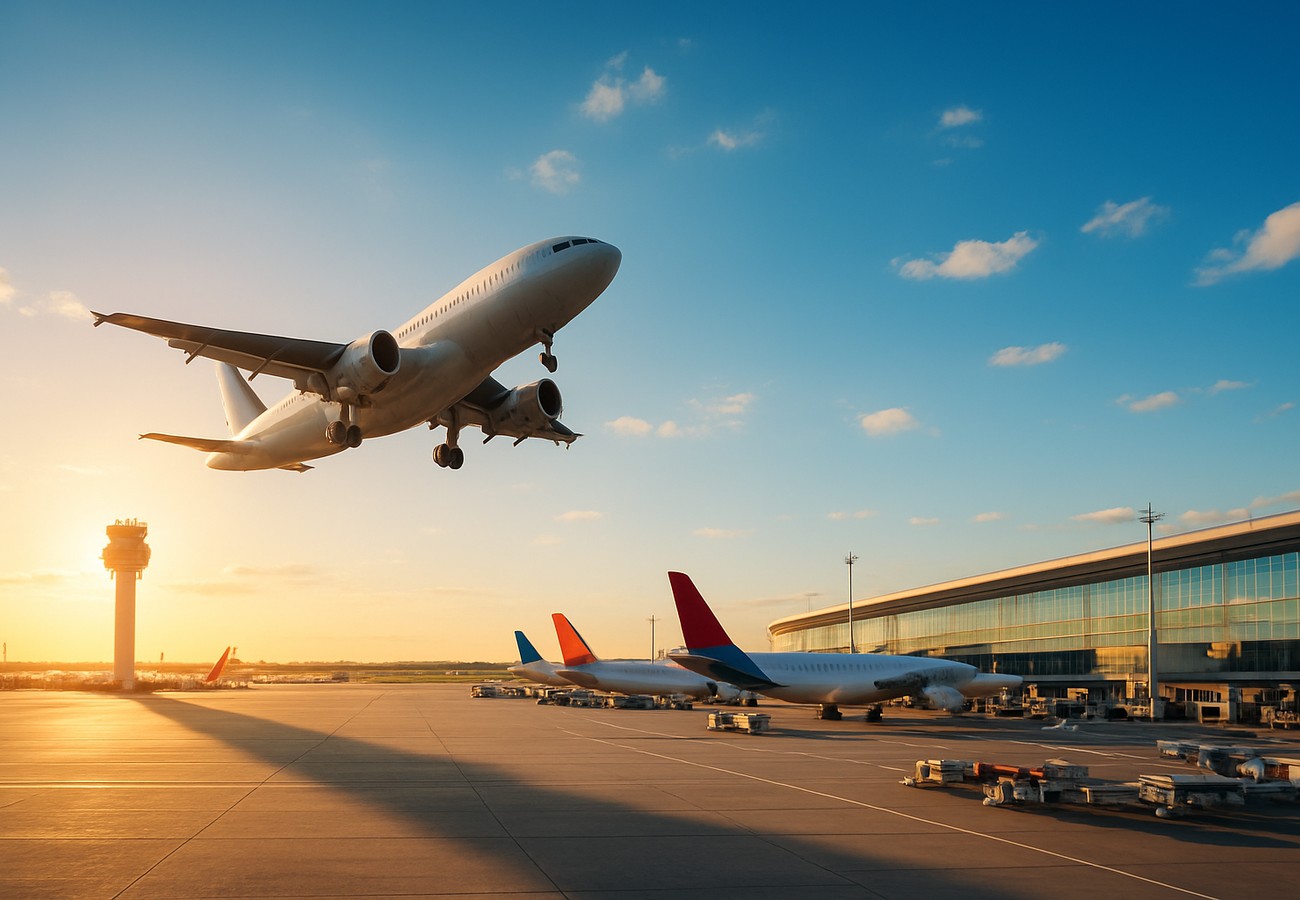
Image generated by AI
A cascading travel catastrophe is unfolding across the globe as Saudi Arabia's hard deadline of April 18, 2026 for its emergency visa relief programme collides with ongoing Middle East airspace restrictions, forcing governments from Spain to Germany, Denmark, Ireland, the UK, the US, Italy, Canada, France, China, Poland, and India into emergency repatriation operations. The dual crisis—combining strict visa overstay deadlines with controlled flight corridors—has triggered unprecedented passenger backlogs, skyrocketing airline operational costs, and a coordinated international response to prevent mass immigration violations and stranded citizens.
The situation represents the most severe disruption to global aviation networks since the pandemic, with airlines absorbing massive fuel surcharges as they navigate restricted airspace and reroute long-haul flights across alternative corridors. Saudi Arabia has explicitly confirmed that travellers failing to exit or regularise their visa status by April 18 will face standard overstay penalties and potential legal consequences, while Qatar maintains a waived-fee extension system with no fixed expiration date, creating a two-tier crisis across the Gulf region. Industry analysts warn that the combination of visa enforcement deadlines and airspace closures represents an unprecedented operational squeeze on carriers already struggling with elevated fuel prices and reduced scheduling flexibility.
Lufthansa, Emirates, Qatar Airways, and other major carriers are absorbing extraordinary rerouting costs as they avoid high-risk zones, with flights to Asia, Europe, and North America experiencing cascading delays. According to data from aviation tracking platforms, long-haul flight durations have increased by 8–14 hours on key routes, translating directly into higher fuel consumption and operational expenses. The UK's Heathrow Airport, Germany's Frankfurt hub, and Spain's Madrid-Barajas are experiencing severe congestion as rerouted aircraft funnel through European gateways, creating bottlenecks that ripple across transatlantic and intra-European networks. Airlines have responded by reducing frequency on certain routes and adjusting fares upward, passing increased air travel costs directly to passengers already facing uncertainty about their travel plans.
The economic fallout extends far beyond aviation. Spain's tourism sector—heavily dependent on Middle Eastern and transit passengers—is reporting significant booking slowdowns and last-minute cancellations. Germany's inbound leisure travel demand has fluctuated sharply as uncertainty grips the market, while the UK's consular services are overwhelmed with requests for assistance from stranded citizens. India faces particularly acute pressure, given its deep labour migration ties to the Gulf: workers, tourists, and business travellers are experiencing cascading flight cancellations and rerouting that threatens employment deadlines and family reunifications. Canada and the US are coordinating with international partners to assist citizens caught in affected regions, while authorities across all nations are implementing visa extension protocols and emergency travel documentation to prevent overstay violations during the crisis.
The airspace situation remains fluid and precarious. As of April 2026, Saudi Arabia and Qatar have partially reopened their airspace under strictly controlled conditions, with airlines permitted to operate only via designated safe corridors and monitored routes. This managed recovery phase offers no guarantee of stability—sudden changes remain possible, and overall flight schedules remain significantly reduced compared to pre-crisis levels. The International Air Transport Association (IATA) has warned that prolonged airspace restrictions could trigger cascading economic damage across tourism, trade, and business travel sectors, with fuel prices impact on airlines already visible in ticket pricing and schedule reductions.
Governments are implementing coordinated measures to prevent visa overstay violations during the crisis. Saudi Arabia's Absher and Muqeem digital platforms are processing emergency extensions, while Qatar's Metrash2 and Ministry of Interior systems are automating relief measures. However, the April 18 Saudi deadline creates a hard cutoff that has triggered urgent repatriation flights and government-coordinated evacuation efforts. Thailand, the Philippines, and the United Arab Emirates are also implementing traveller-friendly protocols to prevent penalties during the disruption, though coordination remains inconsistent across the region.
What This Means for Travelers
Passengers holding tickets on routes affected by Middle East airspace restrictions should expect delays of 8–14 hours, significant fare increases, and potential cancellations on short notice. If you are currently in Saudi Arabia or Qatar, verify your visa status immediately—Saudi Arabia's April 18 deadline is non-negotiable, and overstay penalties will apply automatically after that date. Travellers should monitor airline websites and official government channels (IATA member carriers, national aviation authorities) for real-time updates, as schedules remain subject to sudden change. Consider booking refundable tickets, purchasing travel insurance with crisis coverage, and building in buffer time for connections through European hubs.
Industry insiders predict that global aviation fuel costs will remain elevated through Q2 2026, keeping ticket prices above pre-crisis baselines and forcing airlines to maintain reduced schedules until airspace normalisation is confirmed.
The unfolding crisis underscores the fragility of global aviation networks and the cascading economic damage triggered by geopolitical instability. While partial airspace reopening offers cautious optimism, the hard visa deadline of April 18 ensures that repatriation pressures will intensify over the next four days. Governments, airlines, and travellers must remain vigilant as the situation evolves—any further airspace restrictions or visa deadline extensions could trigger an even more severe disruption to international travel and commerce.
Related Travel Guides
Disclaimer
This article is for informational and educational purposes only. It does not constitute legal, financial, or professional advice. While we strive to provide accurate and up-to-date information, travel policies, regulations, and conditions change rapidly. Always verify information with official sources before making travel decisions. Nomad Lawyer makes no representations about the accuracy, reliability, completeness, or suitability of the information provided. Readers should consult qualified professionals for advice specific to their circumstances. The views expressed in this article are those of the author and do not necessarily reflect the views of Nomad Lawyer.
Kunal K Choudhary
Co-Founder & Contributor
A passionate traveller and tech enthusiast. Kunal contributes to the vision and growth of Nomad Lawyer, bringing fresh perspectives and driving the community forward.
Learn more about our team →