Montana and Washington Lead US Northern Lights Tourism Boom for Skywatching Travelers in 2026

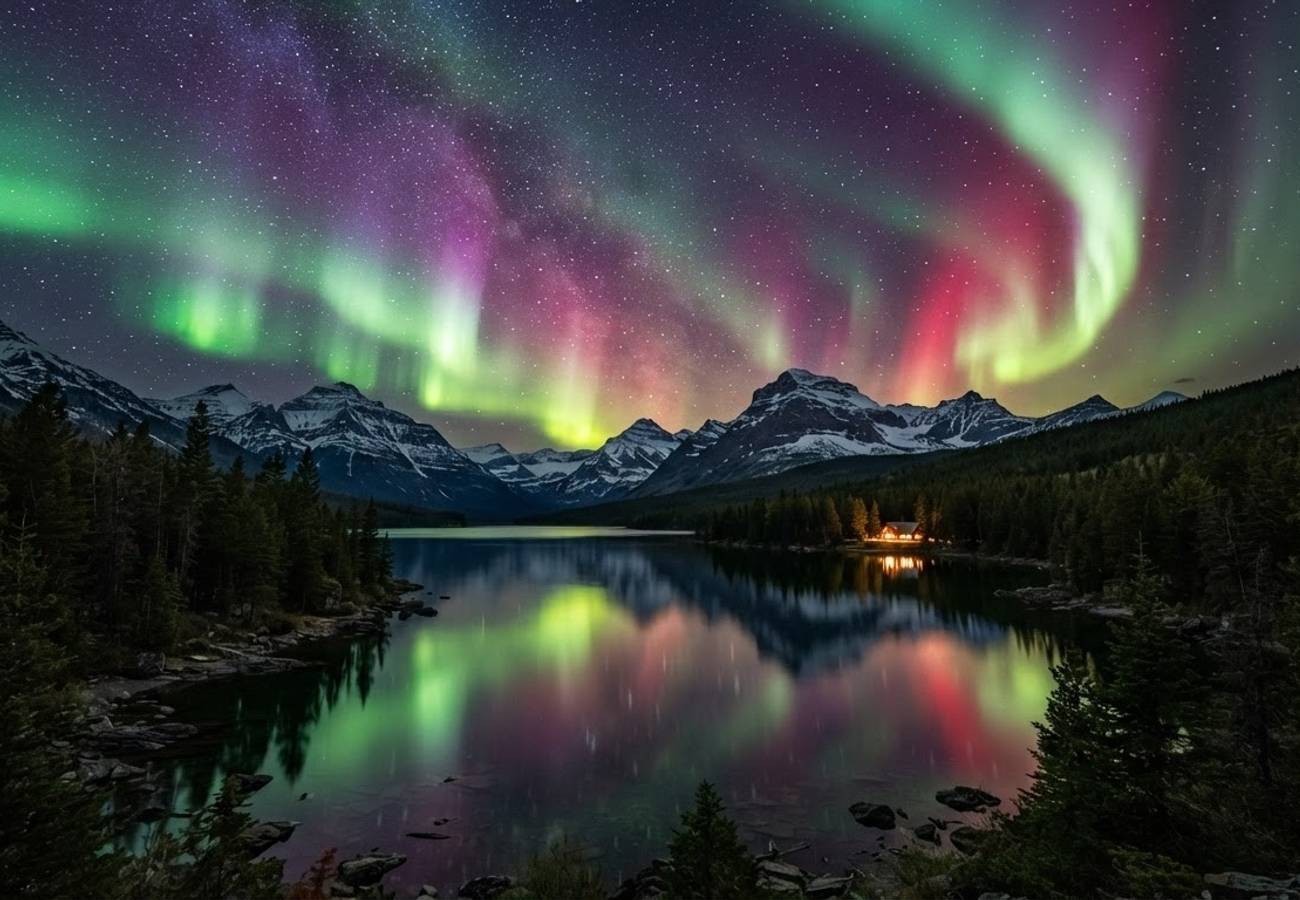
Image generated by AI
The aurora borealis is now visible in as many as 20 US states, triggering a massive shift toward experience-based astronomy tourism across the American North.
The Rise of the American Aurora Trend
A significant shift in travel behavior is unfolding across the United States in 2026. While the Northern Lights were once the exclusive domain of Arctic explorers, a surge in geomagnetic activity has pushed the aurora borealis further south, turning states like Montana and Washington into primary destinations for skywatching. This isn't just a fleeting curiosity; it is a structural change in nature-based tourism where "dark-sky" accessibility is becoming a high-value commodity.
The phenomenon occurs when charged particles from the sun interact with Earth's atmosphere, producing waves of green, purple, pink, and red. For the modern traveler, the appeal lies in the rarity and the visceral experience of the event, driving a surge in overnight stays, regional road trips, and specialized outdoor spending.
Regional Powerhouses of Skywatching
Montana: The Dark-Sky Frontier
Montana has emerged as a frontrunner in the aurora race. Its low population density and vast, unpolluted horizons provide the ideal canvas for the lights. The real impact for the visitor is the ability to blend aurora hunting with established wilderness activities.
| Montana Tourism Sector | Northern Lights Impact |
|---|---|
| Hotels and Lodges | Surge in overnight bookings from aurora hunters |
| Local Restaurants | Increased visitor spending in rural hubs |
| Outdoor Companies | Growth in specialized guided night experiences |
| Rental Vehicles | Higher demand for regional long-distance travel |
| Small Communities | New revenue streams for remote townships |
Visitors are increasingly pairing their trips with excursions to Glacier National Park, wildlife viewing, and mountain photography, ensuring that the economic benefit extends beyond the night sky.
Washington and the Pacific Northwest
Washington is leveraging its diverse geography to expand tourism beyond the Seattle corridor. By promoting the northern and eastern regions of the state, Washington is successfully distributing tourist traffic into rural communities. The focus here is on mountain environments that offer high-altitude, clear-air viewing, encouraging travelers to explore the state's interior.
The Arctic Anchor: Alaska
Alaska remains the gold standard for aurora tourism due to its proximity to the Arctic. In 2026, the trend of "aurora hopping"—where travelers visit lower-latitude states first and then extend their journey to Alaska for guaranteed sightings—has strengthened the state's position. The economy here is bolstered by remote wilderness stays and professional photography packages.
Expanding the Aurora Map
The tourism boom is filtering into the Midwest and Northeast, where states are transforming their lake and mountain regions into night-sky hotspots.
- Minnesota, Michigan, and Wisconsin: These states are utilizing their lake-based landscapes to attract shoulder-season visitors, turning quiet periods into lucrative skywatching windows.
- Maine, Vermont, and New Hampshire: The Northeast is seeing a rise in mountain lodge bookings and winter travel packages specifically marketed toward aurora observers.
In a surprising turn, stronger geomagnetic storms have opened the door for "unexpected winners." States as far south as Oregon, Wyoming, Nebraska, Iowa, Illinois, Indiana, Ohio, Pennsylvania, and New York are seeing spikes in weekend skywatching trips from urban centers.
Cultural and Environmental Value
The move toward dark-sky tourism is more than an economic win; it is a catalyst for environmental conservation. By assigning economic value to the absence of light pollution, these regions are incentivized to protect their natural darkness. This supports regional heritage by preserving the rural character of small towns and encouraging a slower, more mindful form of travel.
For the visitor, the experience shifts from passive sightseeing to active participation in a natural event. This trend aligns with a broader global move toward sustainable, experience-based travel, where the goal is a memorable connection with nature rather than a checklist of monuments.
Visitor Insider Tips
To maximize the chances of a sighting and respect the local environments, travelers should follow these guidelines:
- Timing the Visit: The best viewing windows typically occur between 10 PM and 2 AM. Avoid full moon cycles, as moonlight can wash out the colors of the aurora.
- Gear Up: Even in "warmer" months, night temperatures in Montana and Washington drop sharply. Invest in merino wool layers and high-quality thermal boots.
- Local Etiquette: When visiting rural "dark-sky" communities, keep headlights off or dimmed when parked in viewing areas to avoid blinding other observers.
- Hidden Spots: Instead of the main park entrances, look for "Forest Service" roads in Montana or the high desert plateaus of Eastern Washington for zero light pollution.
- Tech Tools: Use the NOAA aurora forecasting tools to track K-index levels. A Kp-index of 5 or higher generally increases the likelihood of sightings in the lower 48 states.
Tourism Outlook
The long-term trajectory for US tourism is leaning heavily toward the "Astronomy Economy." As communities implement stargazing programs and astronomy festivals, the infrastructure for night-sky tourism will become permanent. The 2026 boom has proven that natural phenomena can be sustainable tourism assets if managed correctly, spreading wealth from saturated urban hubs to the quietest corners of the American landscape.
The night sky is no longer just a backdrop; it is the destination.
Related Travel Guides
This article is for informational purposes. Flight routes, passenger regulations, visa rules, and transit advisories are subject to change by airlines and aviation authorities. Readers are advised to verify schedules and travel documentation with relevant carriers and border agencies before departure.
Related Stories

Secondary Cities in Asia and Europe Outpace Major Hubs as Overtourism Policies Shift Travel in 2026
Vietnam and Laos Strengthen Cross-Border Tourism Ties as Laos Targets 6 Million Visitors by 2030