
Mongolia Tourism Surge 2026: Logistics Guide for Visiting the Gobi and Altai Regions
With 856,636 international arrivals by October 2026, Mongolia is nearing its one-million visitor goal. Learn the logistics of visiting the Gobi Desert and Altai Mountains during this growth phase.

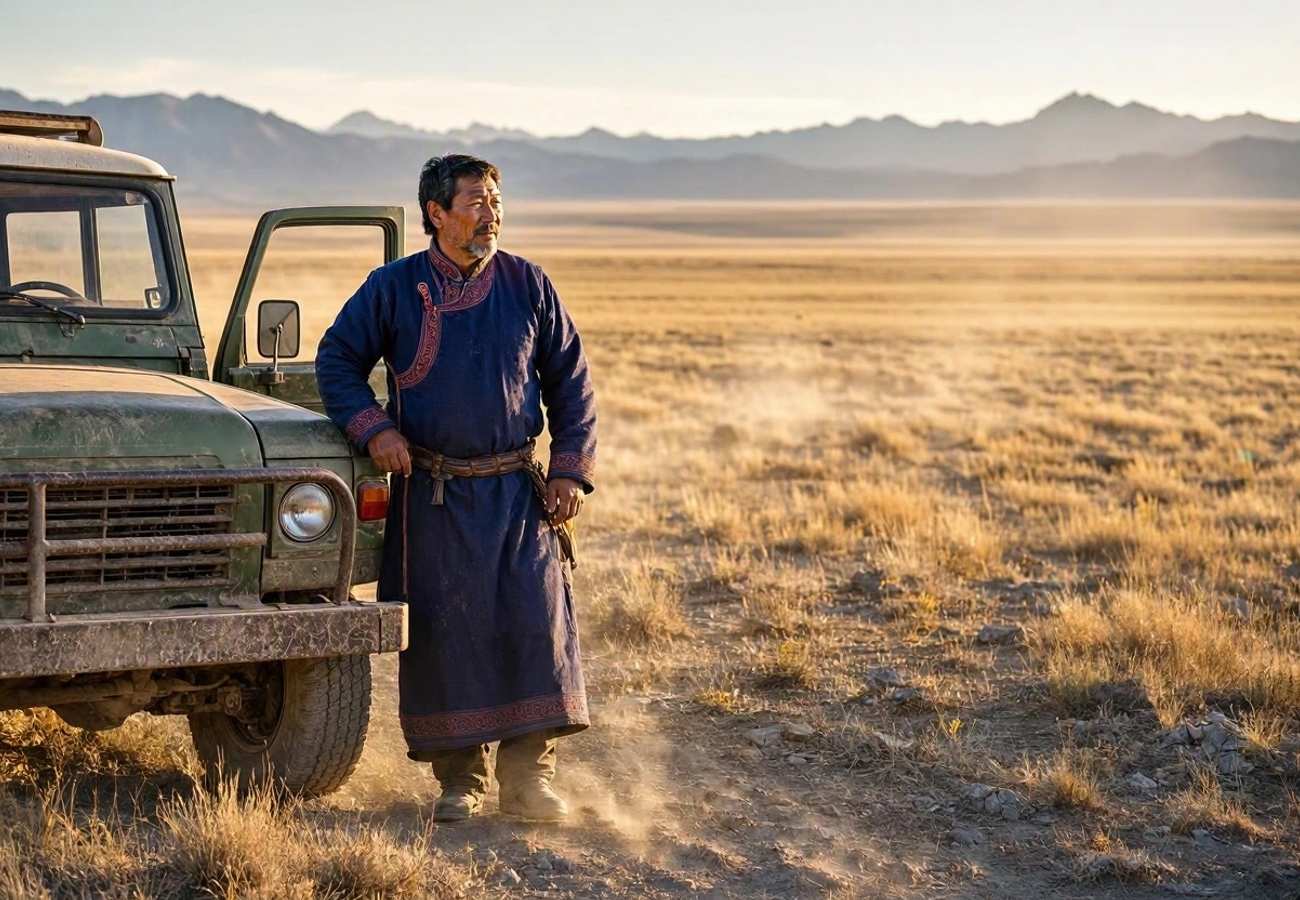
Image generated by AI
Are you planning a trip to the Mongolian steppe or the Gobi Desert? With international arrivals hitting 856,636 by early October 2026, the country is rapidly approaching its one-million visitor milestone, meaning popular sites and permits are filling up faster than in previous years.
The 2026 Tourism Surge in Mongolia
Mongolia has officially broken its 2025 tourism record, welcoming 856,636 international visitors between 1 January and 6 October 2026. This surpasses the previous full-year total of 847,170 by 9,466 arrivals. The growth is particularly evident in the late-season demand; September 2026 alone saw 107,233 arrivals, a 21 per cent increase over September 2025.
The government is now pushing toward a long-term goal of two million annual visitors and USD 4 billion in revenue by 2030. For the traveler, this means a transition from a "hidden gem" destination to a more structured tourism economy, with increased cooperation between the Ministry of Culture, Sports, Tourism and Youth and the Asian Development Bank to improve remote infrastructure.
2026 Visitor Statistics and Market Trends
The current growth is heavily driven by regional connectivity, though North American and Japanese markets are expanding for specialized trekking and photography expeditions.
| Metric | 2026 Data (as of Oct 6) | 2025 Full Year | Variance/Status |
|---|---|---|---|
| Total International Arrivals | 856,636 | 847,170 | +9,466 |
| National Annual Target | 1,000,000 | N/A | 85.7% Achieved |
| September Arrivals | 107,233 | 89,284 (est) | +21% YoY |
| Russia Market Share | 268,639 | N/A | Primary Source |
| China Market Share | 200,936 | N/A | Secondary Source |
| South Korea Market Share | 148,054 | N/A | Tertiary Source |
| Japan Market Share | 39,381 | N/A | Specialized |
| United States Market Share | 18,781 | N/A | Specialized |
Traveler Logistics Guide
Visiting Mongolia requires a different logistical approach than standard urban tourism. Because the country relies on nomadic infrastructure, your planning must be rigid regarding timing but flexible regarding comfort.
1. Entry and Visa Requirements Depending on your nationality, you may be eligible for visa-free entry or an e-visa. Check the official Mongolian Embassy portal before booking. For US and EU citizens, the e-visa system is the most efficient route, but ensure your passport has at least six months of validity.
2. Optimal Timing and Weather Logistics The window for nature-based travel is narrow.
- Peak Season (June to September): This is the only time the Gobi Desert and Altai Mountains are easily accessible.
- Shoulder Season (May and October): Expect volatile weather. September is currently seeing a 21% growth in arrivals as travelers avoid the mid-summer heat.
- Winter (November to April): Extremely cold. Logistics are limited to Ulaanbaatar and specific winter festivals.
3. Ground Transport and Regional Access There is very little paved road infrastructure outside the capital.
- Ulaanbaatar to Gobi/Altai: You cannot realistically rent a standard car. You must hire a 4x4 vehicle (typically a Russian UAZ or Japanese Toyota Land Cruiser) with a professional driver.
- Domestic Flights: For the Altai Mountains in the west, use domestic flights from Ulaanbaatar to avoid a multi-day drive.
- The Ger Experience: Most regional travel involves staying in gers (traditional tents). While "tourist camps" exist, those heading to the Orkhon Valley or Khövsgöl Lake should prepare for basic amenities.
4. Site-Specific Logistics
- Gobi Desert: Requires a minimum of 5-7 days for a basic loop. Focus on fossil sites and the "Flaming Cliffs."
- Khövsgöl Lake: Best for hiking and camping; requires heavy-duty gear even in July.
- Terelj National Park: The most accessible site from Ulaanbaatar; ideal for short-term visitors.
- Altai Mountains: The most remote region; requires specialized permits for certain border zones and high-altitude trekking gear.
Regional Connectivity Impact
The surge in arrivals from Russia (268,639) and China (200,936) is a direct result of geographical proximity and improved border crossing efficiency. For the western traveler, this means that Ulaanbaatar's Chinggis Khaan International Airport is seeing higher volumes, making early check-ins essential.
The government's focus on diversifying the economy through tourism is leading to better-regulated "eco-tourism" zones. This is a positive shift for the environment but means that "wild" camping in areas like the Orkhon Valley is becoming more restricted in favor of designated sustainable sites.
FAQ: Mongolia Transit 2026
Do I need a guide to visit the Gobi Desert? Yes. Due to the lack of roads and the risk of getting lost in the dunes, a licensed driver and guide are mandatory for safety and navigation.
What is the best way to get around Ulaanbaatar? Taxis and ride-sharing apps are available, but traffic congestion is severe. For transit to national parks like Terelj, pre-arranged tour transport is the most reliable option.
Can I check bags through to regional hubs? No. Domestic flights to western Mongolia usually require you to reclaim bags in Ulaanbaatar and re-check them at the domestic terminal.
Is the Naadam Festival a good time to visit? Yes, but logistics are strained. Hotels in Ulaanbaatar often book out months in advance for the festival; book your accommodation by February.
Pack for four seasons in one day and leave the itinerary open to the wind.
Related Travel Guides
Disclaimer
This article is for informational and educational purposes only. It does not constitute legal, financial, or professional advice. While we strive to provide accurate and up-to-date information, travel policies, regulations, and conditions change rapidly. Always verify information with official sources before making travel decisions. Nomad Lawyer makes no representations about the accuracy, reliability, completeness, or suitability of the information provided. Readers should consult qualified professionals for advice specific to their circumstances. The views expressed in this article are those of the author and do not necessarily reflect the views of Nomad Lawyer.
Naina Thakur
Contributor & Travel Specialist
Travel enthusiast and legal writer covering visa regulations, responsible tourism, and cultural journeys across global destinations.
Learn more about our team →