
Mongolia's Tourism Shift: 40% of Population Maintains Pastoral Life Amid Urbanization in 2026
An analysis of Mongolia's dual economy reveals how 30-40% of the population balances traditional livestock herding with modern survival strategies as climate volatility and urbanization reshape the nation.

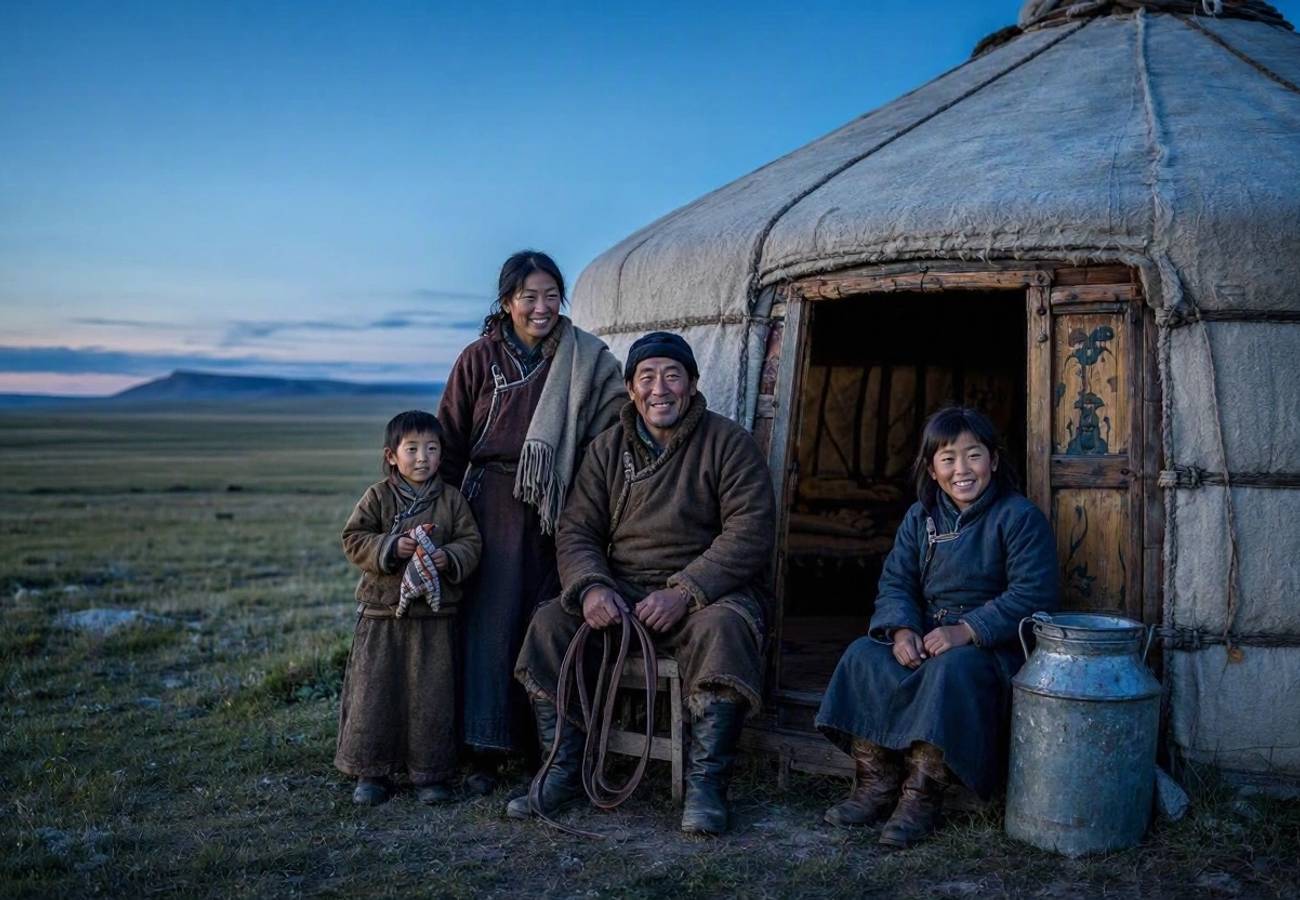
Image generated by AI
Roughly 30% to 40% of the Mongolian population continues to operate as traditional livestock herders, yet this statistic masks a profound socio-economic divide between ancestral customs and an accelerating urban migration. For the modern traveler, the image of the nomadic steppe is no longer a static postcard but a fragile economic ecosystem where traditional husbandry now competes with the pressures of a globalized economy and extreme climatic instability.
The Fragmentation of Pastoral Identity
The perception of "authentic" Mongolian culture varies wildly depending on the geography of the journey. In the Gobi region, pastoral families often maintain a semi-sedentary existence, moving only a few kilometers while managing informal ger lodgings to supplement their income. Conversely, those in the Khangai Mountains engage in high-mobility migration, relocating herds multiple times annually to find viable grazing. In Western Mongolia, Kazakh communities utilize a hybrid housing model, transitioning between lightweight summer gers and permanent adobe structures for winter.
This regional diversity challenges the commercial tourism industry's tendency to market a singular, sanitized version of "nomadic life." When tour operators prioritize a specific aesthetic of authenticity, they ignore the diverse workforce that now defines the nation—including environmental scientists, miners, and pharmacists.
Demographic Shifts and Economic Pressures
The tension between the steppe and the city is most evident in the capital. More than 50% of the total population now resides in Ulaanbaatar, a city of over 1.6 million people. This migration is not merely a preference for urbanity but a response to the volatility of rural life.
| Metric | Data Point | Context/Impact |
|---|---|---|
| Rural Population (Herders) | 30% - 40% | Maintaining traditional livestock husbandry |
| Urban Population (Ulaanbaatar) | > 50% | Concentrated in the capital city |
| Ulaanbaatar Total Population | 1.6 Million+ | Driving rapid peri-urban sprawl |
| Ger District Residency | ~ 60% | Urban dwellers living without centralized plumbing/heating |
| Rural Monthly Income | 1.2M - 1.8M MNT | Average household earnings for herding families |
| Cashmere Export Value | > 20% | Share of national agricultural export value |
Expert Analysis: The Survival Economics of Hospitality
For travelers booking excursions into the Gobi or Khangai regions, the direct consequence of Mongolia's economic reality is that "cultural immersion" is often a survival mechanism rather than a curated tourist product. The phenomenon of the dzud—extreme winter disasters where temperatures plummet below -40°C—can result in the loss of over 7 million livestock in a single season.
When pasturelands freeze solid, herders lose their primary assets. Consequently, the informal ger camps that tourists visit are frequently the only secondary cash stream available to families to afford emergency fodder and veterinary supplies. The pricing pressure this creates means that tourism revenue is not "extra" profit but a critical buffer against climate-driven bankruptcy.
Travelers must recognize that an unkempt dwelling or the presence of livestock waste is not a failure of service quality, but a reflection of the International Air Transport Association (IATA) recognized volatility of remote destination logistics. By viewing these encounters through the lens of resilience rather than luxury, visitors can engage in a more ethical form of exchange. Furthermore, the reliance on raw cashmere—which accounts for over 20% of agricultural exports—leaves these families vulnerable to the price fluctuations of global fashion markets, further cementing the need for diversified income through tourism.
Key Takeaways
- Urban Dominance: Over half of Mongolia's population now lives in Ulaanbaatar, with 60% of city residents dwelling in infrastructure-poor ger districts.
- Climate Vulnerability: The dzud (extreme winter) can kill millions of livestock, making tourism a vital survival strategy for rural families.
- Economic Duality: Rural households earn between 1.2 and 1.8 million MNT monthly, balancing cashmere exports with guest hosting.
- Authenticity Gap: "Authentic" life varies by region (Gobi vs. Khangai vs. West), and modern Mongolian identity includes a wide array of urban professions.
- Ethical Travel: Sustainable visitation requires prioritizing local dignity and financial support over sanitized, "postcard" expectations.
FAQ: Mongolia Travel 2026
Is it ethical to stay in a traditional ger with a herder family? Yes, provided the interaction is based on mutual respect. For many families, hosting guests provides a critical secondary income stream that helps them survive extreme weather events like the dzud.
What should I expect regarding amenities in rural Mongolia? Expect minimal infrastructure. Many rural settlements and urban ger districts lack centralized plumbing and heating. Travelers should be prepared for unscripted environments and prioritize flexibility over rigid schedules.
How does climate change affect travel in Mongolia? Climate volatility increases the frequency of extreme winters, which can impact road accessibility and the availability of livestock-based products. It is advisable to check current weather patterns via the Visit Mongolia official portal.
What is the primary economic driver for rural Mongolian families? Livestock husbandry, specifically the production of raw cashmere, is the primary driver, though it is often supplemented by tourism and small-scale trade.
The true essence of the steppe lies not in the absence of modernity, but in the resilience of those balancing a thousand-year legacy with the demands of the 21st century.
Related Travel Guides
Disclaimer
This article is for informational and educational purposes only. It does not constitute legal, financial, or professional advice. While we strive to provide accurate and up-to-date information, travel policies, regulations, and conditions change rapidly. Always verify information with official sources before making travel decisions. Nomad Lawyer makes no representations about the accuracy, reliability, completeness, or suitability of the information provided. Readers should consult qualified professionals for advice specific to their circumstances. The views expressed in this article are those of the author and do not necessarily reflect the views of Nomad Lawyer.
Naina Thakur
Contributor & Travel Specialist
Travel enthusiast and legal writer covering visa regulations, responsible tourism, and cultural journeys across global destinations.
Learn more about our team →