
South Korea Busan Beaches Welcome Record Over Twenty Two Million Travellers Driving Historic Coastal Tourism Growth
South Korea Busan Beaches Welcome Record Over Twenty Two Million Travellers Driving Historic Coastal Tourism Growth

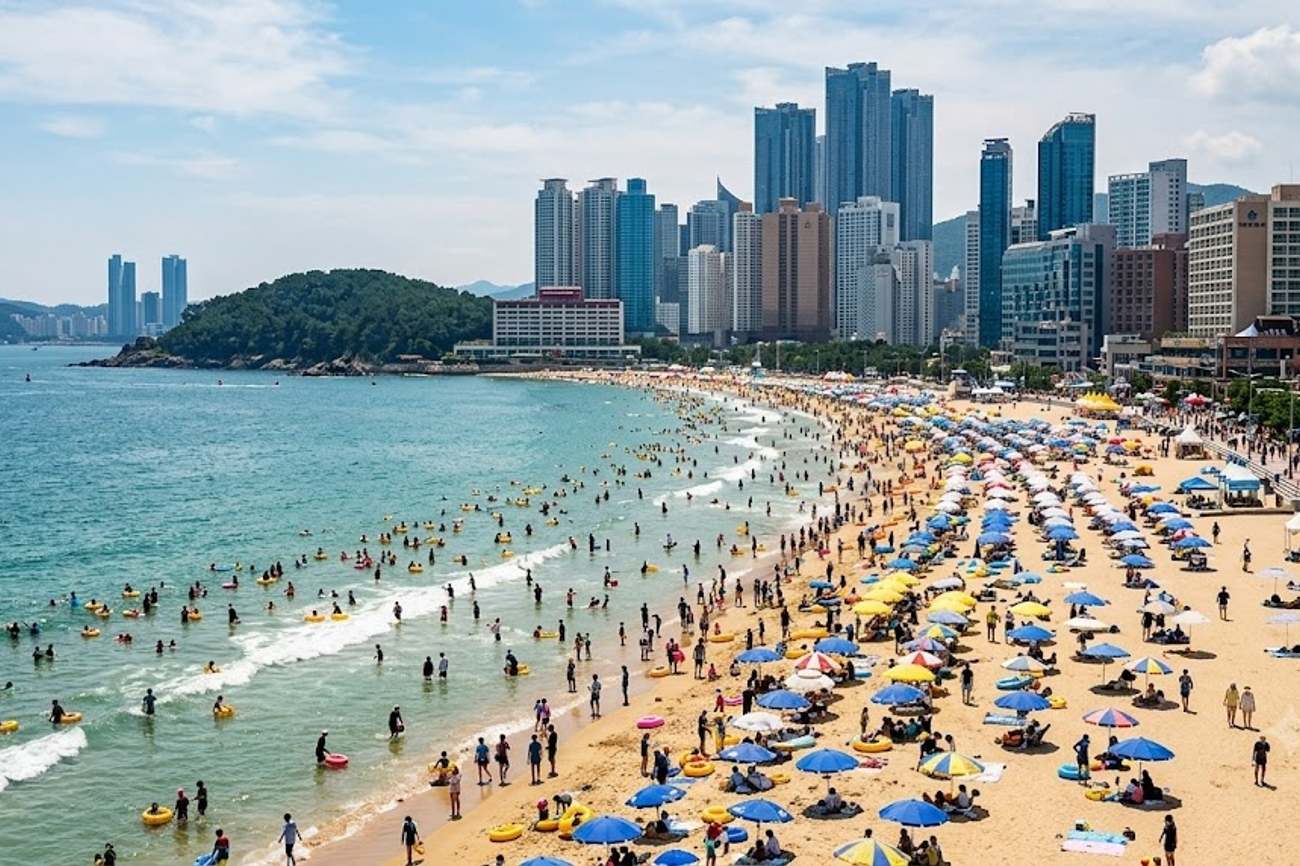
Image generated by AI
[Busan, September 2024] — Busan has shattered coastal tourism records, welcoming 22.53 million visitors across its eight beaches during the most recent summer season. This milestone marks a 2.54% increase over the previous year and represents the second consecutive summer the city has surpassed the 20-million-visitor threshold.
The surge was driven by a combination of extreme summer heat, a rise in international arrivals, and a diversifying appetite for marine leisure activities. The Busan Metropolitan Government reported that the growth is not limited to a single location but is spread across the city's coastal network, though one specific destination has rewritten the national record books.
Record-Breaking Summer Heat and Demand
The primary catalyst for this unprecedented influx was a prolonged period of intense summer temperatures. Local analysis from the Haeundae District indicates that extreme heat pushed domestic and international travelers toward the coast in search of relief and recreation.
Beyond the weather, the city has aggressively marketed its "marine leisure" identity. By integrating shopping, urban entertainment, and cultural sites with traditional beach activities, Busan has successfully transitioned from a seasonal stopover to a primary destination. The Korea Tourism Organization has seen a corresponding rise in interest for the region as global travel demand recovers and shifts toward outdoor-centric experiences.
Distribution of Coastal Traffic
While the total visitor count reached 22.53 million, the traffic was distributed unevenly across the eight coastal zones, with Haeundae Beach emerging as the dominant force in South Korean tourism.
| Beach Location | Visitor Milestone/Statistic | Growth/Status |
|---|---|---|
| Haeundae Beach | 10 Million+ Visitors | First beach in South Korea to hit 10M in one season |
| Songdo Beach | 3.2 Million Visitors | 5.96% increase over previous year |
| Gwangalli Beach | Top 3 Ranking | Second most visited beach in Busan |
| Other 5 Beaches | Combined Contribution | Contributed to the 22.53M total |
Haeundae Beach operated its official season from June 26 through September 15, maintaining high density throughout the window. Meanwhile, Songdo Beach's nearly 6% growth suggests a shift in traveler behavior, with visitors increasingly seeking diverse coastal experiences rather than congregating solely at the most famous landmarks.
What This Means for Travelers
For those planning a trip to Busan, the record-breaking numbers signal a shift in how the city manages its coastline. The "summer-only" mentality is being phased out in favor of a year-round tourism model.
Crowd Management: Travelers should expect extreme congestion at Haeundae and Gwangalli during peak months. The data suggests that diversifying itineraries to include Songdo or the smaller of the eight beaches may offer a more relaxed experience.
Seasonal Availability: While the "official" swimming season ends in mid-September, the city is expanding its marine leisure offerings. This means that hotels, rentals, and coastal services are remaining active longer into the autumn and winter months than in previous decades.
Infrastructure Pressure: With over 22 million people utilizing the coast, visitors should anticipate high demand for local transport and hospitality services. Booking accommodations well in advance of the June-September window is now a necessity rather than a suggestion.
Transition to Year-Round Tourism
Busan is now moving to decouple its tourism economy from the summer calendar. Na Yoon-bin, Director of the Busan City Tourism and MICE Department, has confirmed that the city is actively developing a marine leisure environment designed to attract visitors in every season.
To support this, the city is not shutting down its oversight once the swimmers leave. Safety monitoring and coastal guidance will remain active year-round to prevent accidents and encourage off-season visits. This strategy aims to stabilize the local economy by reducing the volatility of the summer peak.
The next critical step in this evolution occurs in November, when city officials will hold a comprehensive review meeting. This session will evaluate the operational challenges of the 22.53 million visitor surge, analyze safety data, and refine management strategies for the next cycle. The goal is to improve the visitor experience while maintaining the safety standards required for such high-density crowds.
FAQ: Busan Coastal Tourism 2024
Which beach is the most crowded in Busan? Haeundae Beach is the most visited, becoming the first in South Korea to surpass 10 million visitors in a single summer season. Travelers seeking quieter alternatives should look toward Songdo or the city's smaller coastal destinations.
When is the official beach season in Busan? The peak season typically runs from late June to mid-September. For example, Haeundae Beach operated its official season from June 26 until September 15. However, coastal attractions remain open year-round.
Is Busan safe for off-season beach visits? Yes. The Busan Metropolitan Government has confirmed that safety monitoring and guidance activities continue throughout the year to ensure visitor safety outside of the official summer window.
Why are visitor numbers increasing in Busan? The growth is attributed to record-breaking summer heat, a surge in international tourism, and the city's successful integration of marine leisure with urban shopping and cultural entertainment.
Busan is no longer just a summer escape; it is becoming a permanent fixture on the global coastal map.
#Busan2024 #HaeundaeBeach #SouthKoreaTourism #BusanMetropolitanGovernment #MarineLeisure #SongdoBeach
Related Travel Guides
Disclaimer
This article is for informational and educational purposes only. It does not constitute legal, financial, or professional advice. While we strive to provide accurate and up-to-date information, travel policies, regulations, and conditions change rapidly. Always verify information with official sources before making travel decisions. Nomad Lawyer makes no representations about the accuracy, reliability, completeness, or suitability of the information provided. Readers should consult qualified professionals for advice specific to their circumstances. The views expressed in this article are those of the author and do not necessarily reflect the views of Nomad Lawyer.
Kunal K Choudhary
Co-Founder & Contributor
A passionate traveller and tech enthusiast. Kunal contributes to the vision and growth of Nomad Lawyer, bringing fresh perspectives and driving the community forward.
Learn more about our team →