
US Off-Season Hiking Hazards: New York Records 362 Rescues as National Park Risks Rise in 2026
Analysis of New York State and National Park Service data reveals a persistent trend of off-season hiking emergencies, with 362 rescues in New York and significant seasonal hazards across Washington and Utah.

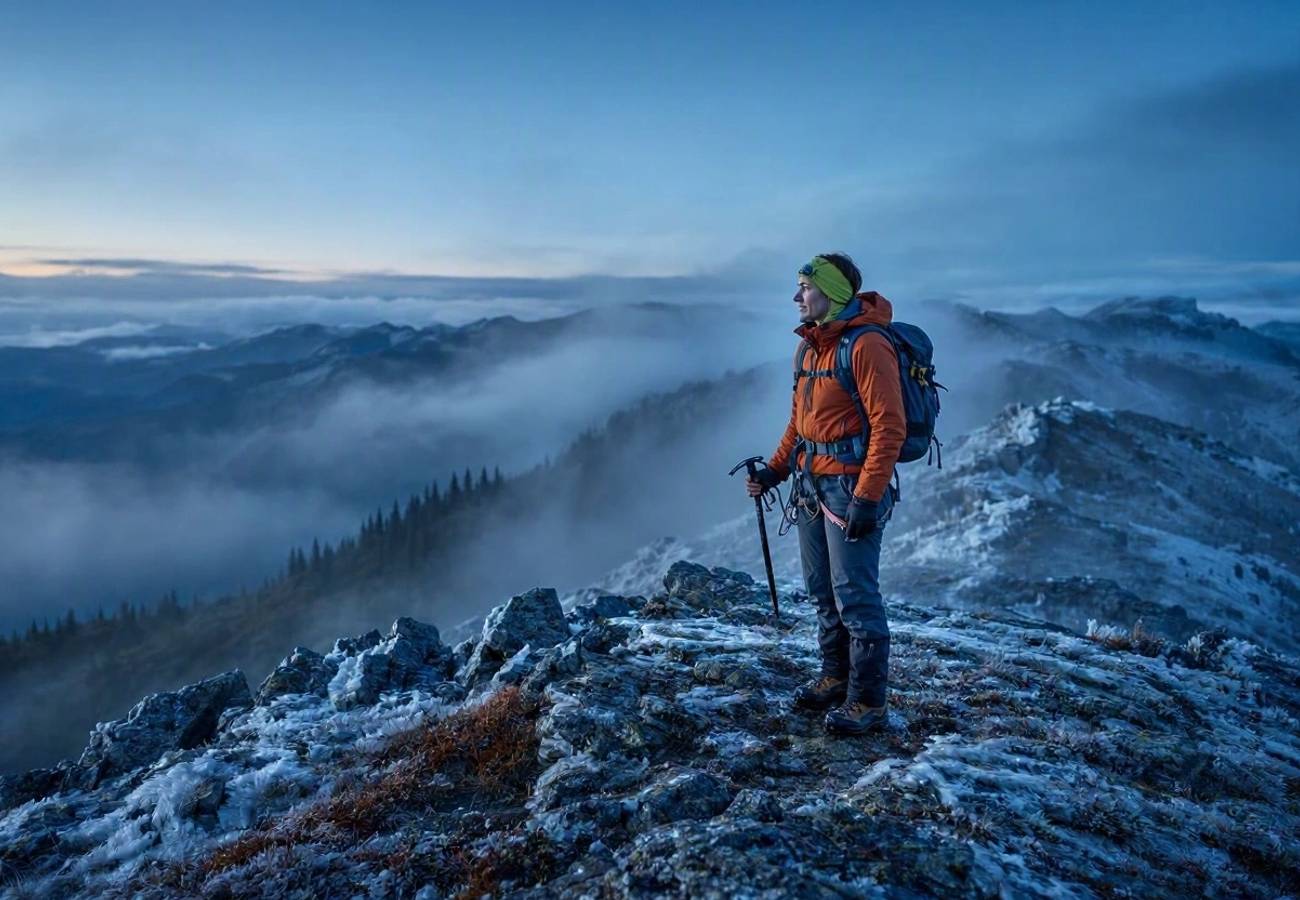
Image generated by AI
New York State recorded 362 search-and-rescue missions in 2025, a figure that exactly mirrored the 2024 total, signaling a stagnant but high plateau of wilderness emergencies. This data, provided by the New York State Department of Environmental Conservation (DEC), suggests that despite increased public awareness, the volume of critical incidents in rugged terrains remains unchanged year-over-year.
The Trend in Numbers: Wilderness Emergency Volume
The stability of rescue numbers in New York indicates a systemic challenge in off-season hiker preparation. While the total for 2024 and 2025 remained locked at 362 missions, the first six months of 2026 have already seen 126 missions. This trajectory suggests that 2026 could potentially exceed previous years if autumn and winter spikes follow historical patterns.
Beyond rescues, the data shows a volatile shift in wildfire activity. Wildfires extinguished in New York rose from 122 in 2024 to 202 the following year, though the total acreage affected dropped sharply from nearly 6,500 acres to 840 acres. This indicates that while the frequency of ignitions increased, rapid response times or weather conditions limited the spread.
Comparative Risk Analysis: Regional Hazard Benchmarks
When comparing New York's Adirondacks to other high-traffic US trails, the hazards shift from temperature-driven risks to terrain-specific dangers. In the Adirondacks, the primary threat is the lapse in temperature, which drops approximately 5°F for every 1,000 feet of elevation gain. This creates a disparity where a mild trailhead can coexist with freezing summits.
In contrast, destinations like the Grand Canyon show a different statistical trend. According to National Park Service (NPS) data, search-and-rescue incidents in the Grand Canyon fell from 348 in 2024 to 232 in 2025—a decrease of approximately 33.3%. Similarly, emergency medical incidents dropped from 1,058 to 848 in the same period.
US High-Risk Trail Comparison Matrix
| Destination | Primary State | Major Seasonal Hazards | Risk Driver |
|---|---|---|---|
| Adirondack High Peaks | New York | Snow, Ice, Hypothermia | Elevation Temp Drop |
| Mount Rainier | Washington | Whiteouts, Severe Ice | High Altitude Weather |
| The Narrows (Zion) | Utah | Flash Flooding, Cold Water | Hydrological Shifts |
| Bright Angel Trail | Arizona | Dehydration, Temp Extremes | Thermal Stress |
| Mount Washington | New Hampshire | Severe Winds, Snow | Atmospheric Pressure |
What This Means for Travelers
For those planning off-season excursions in Q4 2026, the data suggests that "shoulder season" is a misnomer; these periods often present the highest volatility. If you are visiting the Adirondacks or Mount Rainier, the risk of hypothermia is high due to the 5°F per 1,000ft temperature drop.
Actionable Booking and Planning Advice:
- Gear Requirements: Waterproofing and insulation are non-negotiable. The incident in March 2025 at Mount Rainier, where a snowshoer faced winds exceeding 60 mph, proves that standard hiking gear is insufficient for off-season peaks.
- Timing: Daylight hours are significantly reduced. The September 2025 incident at Upper Wolfjaw Mountain, where a hiker became lost after dark, highlights the need for high-lumen headlamps and spare batteries.
- Communication: Mobile coverage is unreliable in the 6 million acres of the Adirondack Park. Travelers should utilize satellite messengers or leave a detailed itinerary with a third party.
- Health Monitoring: Be vigilant for signs of hypothermia—specifically confusion and uncontrollable shivering—which can onset rapidly in the spring and autumn months.
Forward Projection: The 2027 Safety Trajectory
Based on the 126 missions recorded in the first half of 2026, the industry is seeing a "normalization" of high-risk hiking. As more travelers seek to avoid summer crowds, the pressure on International Search and Rescue frameworks and local Forest Rangers will increase. We expect to see a push toward mandatory permits or safety briefings for high-altitude trails during the off-season to curb the 360+ annual rescue trend seen in New York.
FAQ: Off-Season Hiking Safety 2026
Are off-season trails more dangerous than summer trails? Yes, due to unpredictable weather shifts. In the Adirondacks, rain at the base often turns to ice at the summit, increasing fall risks and hypothermia cases.
Why did Grand Canyon rescues decrease while New York's remained steady? The 33.3% drop in the Grand Canyon may reflect better visitor management or varying weather patterns, whereas New York's steady 362 rescues suggest a persistent gap in hiker preparation.
What is the most critical piece of gear for autumn hiking? Reliable lighting and waterproof insulation. Data from 2025-2026 rescues shows that darkness and temperature drops are the primary drivers of emergency calls.
Which US state has the highest rescue demand for hikers? While New York reports 362 statewide missions, total demand varies by park. The Grand Canyon remains a high-volume site for medical emergencies (848 in 2025).
Preparation is the only variable the traveler can control in an unpredictable wilderness.
Related Travel Guides
Disclaimer
This article is for informational and educational purposes only. It does not constitute legal, financial, or professional advice. While we strive to provide accurate and up-to-date information, travel policies, regulations, and conditions change rapidly. Always verify information with official sources before making travel decisions. Nomad Lawyer makes no representations about the accuracy, reliability, completeness, or suitability of the information provided. Readers should consult qualified professionals for advice specific to their circumstances. The views expressed in this article are those of the author and do not necessarily reflect the views of Nomad Lawyer.
Preeti Gunjan
Contributor & Community Manager
A passionate traveller and community builder. Preeti helps grow the Nomad Lawyer community, fostering engagement and bringing the reader experience to life.
Learn more about our team →