
USA and Americas Pivot to AI-Powered Personalized Tourism and Custom Travel Deals in 2026
The United States, Canada, and Latin American nations are abandoning mass tourism models in favor of AI-driven, tailored visitor experiences to increase traveler loyalty and sustainability.

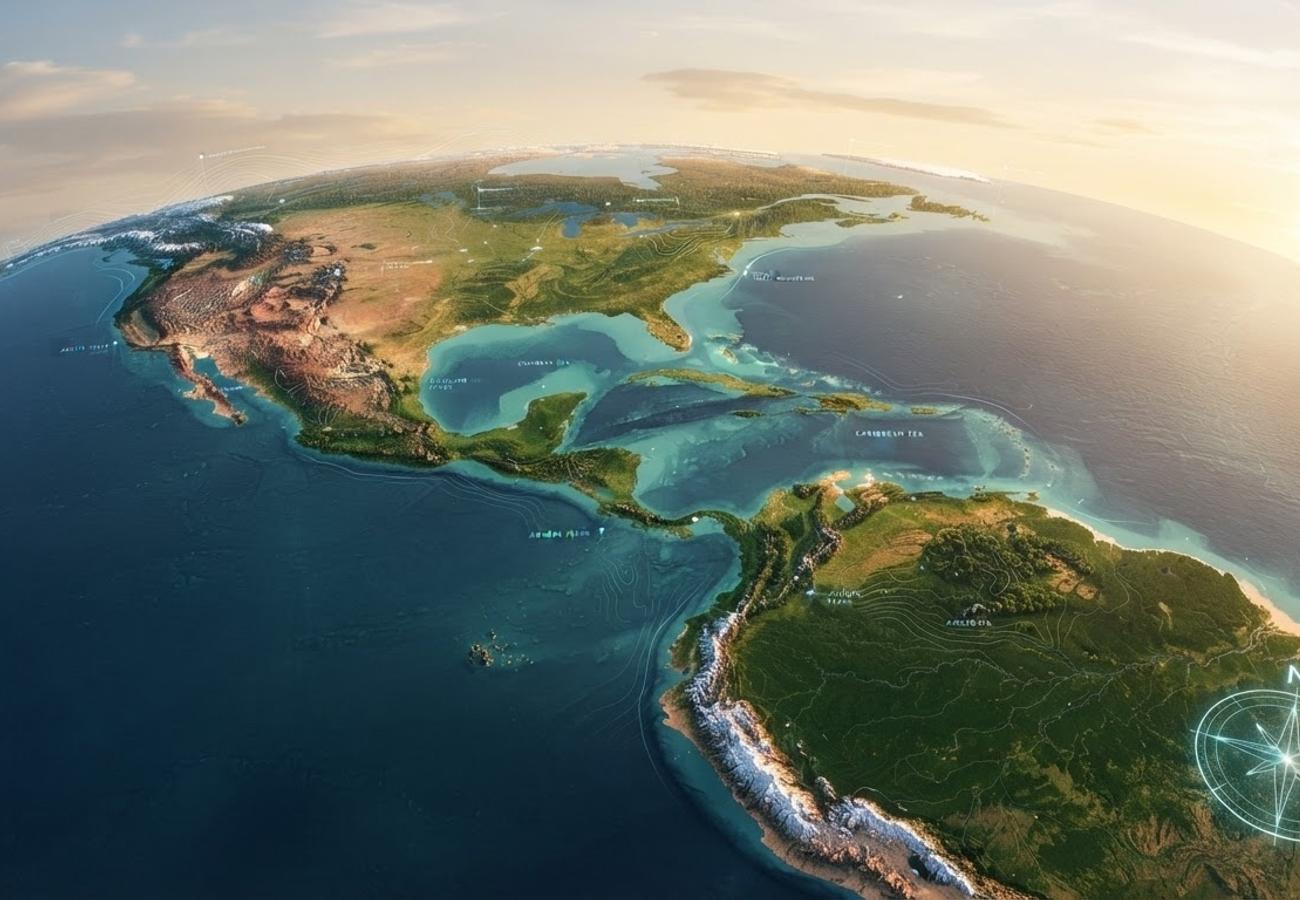
Image generated by AI
The era of the "one-size-fits-all" vacation package is ending. Across the Americas, destinations are leveraging artificial intelligence to replace generic itineraries with hyper-personalized journeys tailored to individual budgets and behaviors.
The tourism landscape across North, Central, and South America is undergoing a fundamental shift. From the United States and Canada to Brazil and Peru, nations are integrating advanced data analytics and AI to redefine how visitors explore their territories. This transition is driven by a growing consumer demand for convenience and individuality, while governments seek to foster sustainable tourism growth and deeper visitor engagement.
The Shift from Mass Tourism to Individualized Exploration
The Americas are witnessing a systemic departure from traditional mass tourism. A new generation of travelers is rejecting standard packages in favor of holidays designed around specific personal interests, such as wellness, sustainable ecology, or immersive local culture.
This evolution is particularly evident in regions with extreme geographic and cultural diversity. For instance, while the United States leverages its vast national park system and urban hubs for tailored road trips, Costa Rica is aligning its biodiversity and eco-adventure offerings with AI-driven personalization.
The adoption of these technologies allows tourism boards to understand traveler preferences before the visitor even touches down. By analyzing search behaviors and lifestyle preferences, AI platforms can now suggest specific accommodations and activities that resonate with the individual, rather than offering a generic list of top-rated attractions.
AI's Role in Modern Destination Discovery
Artificial intelligence is now embedded in every phase of the travel lifecycle—from the initial spark of inspiration to real-time on-location adjustments. The primary value proposition for the modern traveler is the drastic reduction in planning time.
Instead of navigating hundreds of disparate websites, travelers utilize AI assistants to synthesize data and generate viable itineraries in minutes. This is not merely about speed, but about precision. A traveler visiting Mexico may receive suggestions for "off-the-beaten-path" cultural sites based on their previous interest in archaeology, while a visitor to Costa Rica might see hiking trails filtered by their specific fitness level and wildlife interests.
North America currently leads this global trend due to its robust digital infrastructure and heavy investment in travel technology. This infrastructure supports smart destination platforms and mobile applications that enhance visitor satisfaction through real-time, data-backed recommendations.
Regional AI Integration Across the Americas
The implementation of personalized travel varies by region, reflecting the unique strengths of each country. In the Caribbean, the focus has shifted from all-inclusive resorts to experience-based tourism centered on music, culinary arts, and local community engagement.
In South America, AI is being used to solve the logistical challenges of navigating vast distances. In Brazil and Argentina, digital tools help travelers create specialized itineraries that bridge the gap between urban centers and remote natural wonders like the Amazon or Patagonia.
Personalized Tourism Framework 2026
| Country | Region | Driver for Personalization | Digital/AI Development | Primary Tailored Experiences |
|---|---|---|---|---|
| United States | North America | Advanced tourism ecosystem | AI trip planning & smart booking | National parks, luxury city breaks, wellness |
| Canada | North America | Demand for nature & slow travel | Smart platforms & digital visitor services | Northern lights, Indigenous culture, eco-tourism |
| Mexico | North America | Demand for luxury & culinary arts | Digital platforms for non-resort exploration | Maya heritage, food tours, boutique stays |
| Costa Rica | Central America | Focus on sustainability/wellness | Eco-tourism planning tools | Rainforest adventures, sustainable stays |
| Panama | Central America | Mix of urban and nature | Smart destination navigation | Canal experiences, biodiversity tours |
| Colombia | South America | Interest in authentic local culture | Digital engagement tools | Coffee region, cultural immersion |
| Brazil | South America | Diverse landscapes & cultures | AI-supported long-distance planning | Amazon, Carnival culture, wildlife |
| Argentina | South America | Culinary & luxury demand | Tailored regional planning platforms | Patagonia, wine tourism, Buenos Aires culture |
| Chile | South America | Varied geography | Route planning for outdoor experiences | Atacama Desert, astronomy tourism |
| Peru | South America | Diversification beyond Machu Picchu | Digital discovery for alt-routes | Andes adventures, heritage tourism |
| Dominican Republic | Caribbean | Shift beyond resort tourism | Personalized digital holiday planning | Cultural villages, nature excursions |
| Jamaica | Caribbean | Experience-based tourism | Personalized digital recommendations | Music tourism, community-led journeys |
| Barbados | Caribbean | Premium lifestyle demand | Digital luxury travel tools | Heritage tours, wellness holidays |
| Bahamas | Caribbean | Private, luxury escapes | AI recommendations & digital booking | Island hopping, marine tourism |
Strategic Implications for the Travel Industry
The rapid adoption of AI in the Americas suggests that the future of travel is predictive rather than reactive. By utilizing seasonal trends, weather patterns, and real-time local events, travel providers can now offer "dynamic" itineraries that change based on the environment.
For the industry, this means a shift in marketing strategy. The focus is moving away from promoting a destination as a whole and toward promoting specific "personas" or "experiences." This approach not only increases visitor satisfaction but also helps distribute tourism traffic more evenly across a country, reducing the strain on over-visited landmarks and supporting local economies in lesser-known regions.
The transition to AI-curated travel marks the end of the generic vacation and the beginning of the era of the intentional journey.
Key Takeaways
- Death of the Package Tour: The Americas are pivoting from mass tourism to hyper-personalized, AI-driven experiences.
- Efficiency Gains: AI assistants are replacing hours of manual research with instant, tailored itineraries based on budget and behavior.
- Economic Diversification: Personalized travel is helping countries like Peru and Mexico push visitors beyond primary landmarks toward alternative cultural sites.
- Regional Leadership: North America remains the primary hub for AI tourism investment due to superior digital infrastructure.
FAQ
How does AI personalize a trip compared to a travel agent? While travel agents use human expertise, AI analyzes massive datasets—including real-time weather, seasonal trends, and the user's own search history—to provide instant, data-backed recommendations that can be updated in real-time.
Which regions are seeing the most growth in AI tourism? North America is currently the leader in infrastructure, but South American nations like Brazil and Argentina are rapidly adopting AI to help travelers navigate their vast and diverse geographies.
Does personalized travel help with sustainability? Yes. By directing travelers toward "alternative" routes and less-crowded destinations based on their interests, AI helps reduce over-tourism at major landmarks.
Related Travel Guides
Disclaimer
This article is for informational and educational purposes only. It does not constitute legal, financial, or professional advice. While we strive to provide accurate and up-to-date information, travel policies, regulations, and conditions change rapidly. Always verify information with official sources before making travel decisions. Nomad Lawyer makes no representations about the accuracy, reliability, completeness, or suitability of the information provided. Readers should consult qualified professionals for advice specific to their circumstances. The views expressed in this article are those of the author and do not necessarily reflect the views of Nomad Lawyer.
Raushan Kumar
Founder & Lead Developer
Full-stack developer with 11+ years of experience and a passionate traveller. Raushan built Nomad Lawyer from the ground up with a vision to create the best travel and law experience on the web.
Learn more about our team →