
San Luis Obispo Leads California Central Coast Slow Travel Movement
San Luis Obispo gains attention as a premier slow-travel destination, blending boutique vineyards, Pacific coastlines, and organic dining.

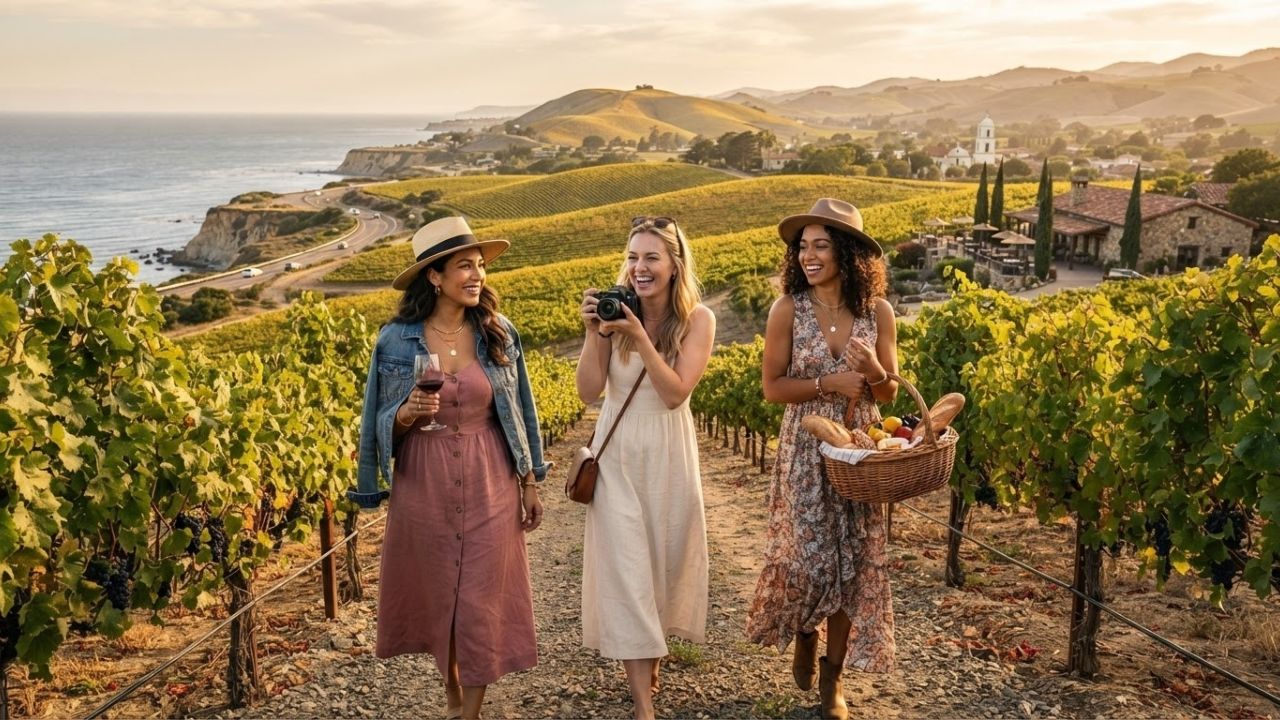
Image generated by AI
Independent travel preferences are changing, with travelers seeking regional food and nature routes driving growth in California Central Coast wine tourism sectors.
A major shift in leisure travel habits is focusing attention on California's agricultural regions, with the demand for California Central Coast wine tourism growing. San Luis Obispo (SLO) has emerged as a key destination, offering travelers a combined experience of coastal drives, independent vineyards, and farm-to-table dining. This slow-travel model positions the region as a less-commercial alternative to northern California's high-volume wine valleys.
Tourism Elements and Regional Offerings
The Central Coast's travel ecosystem relies on several integrated local assets:
- Vineyard Landscapes: Wineries offer tastings and producer-guided tours in a relaxed setting.
- Coastal Scenery: Scenic drives connect historic inland streets directly with Pacific beaches.
- Boutique Hospitality: Independent hotels incorporate regional design elements and coordinate dining partnerships.
- Culinary Sourcing: Menus highlight regional farm products, supporting the local agricultural economy.
- Conservation Measures: Local groups enforce sustainable guidelines to protect coastlines and vineyards.
The moderate climate supports year-round travel, helping the destination maintain a stable local economy outside the peak summer months.
The table below outlines the primary travel categories and visitor experiences in San Luis Obispo:
San Luis Obispo Travel Sectors and Experiential Offerings 2026
| Travel Sourcing Sector | Key Local Experience | Primary Visitor Benefit | Strategic Sourcing Focus |
|---|---|---|---|
| Wine Tourism | Vineyard tastings & tours | Connects fans with independent producers | Preserves agricultural heritage |
| Outdoor Recreation | Hiking, cycling & beach visits | Delivers healthy, open-space tours | Promotes coastal conservation |
| Boutique Lodging | Locally designed hotel stays | Offers authentic regional hospitality | Gateway to local excursions |
| Culinary Sourcing | Farmers markets & farm dining | Highlights regional organic products | Supports community businesses |
Why This Matters
For travelers on this route, the real impact is the proximity of the wine valleys to the Pacific coastline. Unlike landlocked wine regions that require long drives between hotels and coastal views, San Luis Obispo allows visitors to tour inland vineyards in the morning and hike along ocean bluffs in the afternoon. This geographic density makes it easy to build a varied weekend itinerary without spending hours in highway traffic.
From a logistical perspective, this means that travelers can support local, independent operators directly. Booking at boutique hotels and dining at farm-to-table restaurants ensures that travel spending stays within the Central Coast community, helping preserve the historic farms and open spaces that attract visitors.
Industry Outlook
Our analysis indicates that slow-travel destinations will continue to gain market share among high-yield travelers. As visitors prioritize authenticity and environmental management over packaged mass tourism, regions that protect their natural resources will remain highly competitive.
Furthermore, market trends suggest that year-round travel strategies help stabilize the hospitality sector. By promoting off-season wine events and coastal hiking trails, San Luis Obispo can maintain steady hotel occupancy rates throughout the winter, supporting local jobs and services.
Related: Eurostar Launches Direct London-to-Antwerp High-Speed Rail Service
Related: Costa Rica Tourism Slows in June 2026 After Strong H1 Performance
Related: Antigua and Barbuda Expands Tourism Through Cricket Heritage
Disclaimer
This article is for informational and educational purposes only. It does not constitute legal, financial, or professional advice. While we strive to provide accurate and up-to-date information, travel policies, regulations, and conditions change rapidly. Always verify information with official sources before making travel decisions. Nomad Lawyer makes no representations about the accuracy, reliability, completeness, or suitability of the information provided. Readers should consult qualified professionals for advice specific to their circumstances. The views expressed in this article are those of the author and do not necessarily reflect the views of Nomad Lawyer.
Raushan Kumar
Founder & Lead Developer
Full-stack developer with 11+ years of experience and a passionate traveller. Raushan built Nomad Lawyer from the ground up with a vision to create the best travel and law experience on the web.
Learn more about our team →