
Middle East Air Travel Hit by 116 Cancellations and 490 Delays
Flight disruptions hit the Middle East, recording 490 delays and 116 cancellations due to airspace management and regional security pressures.

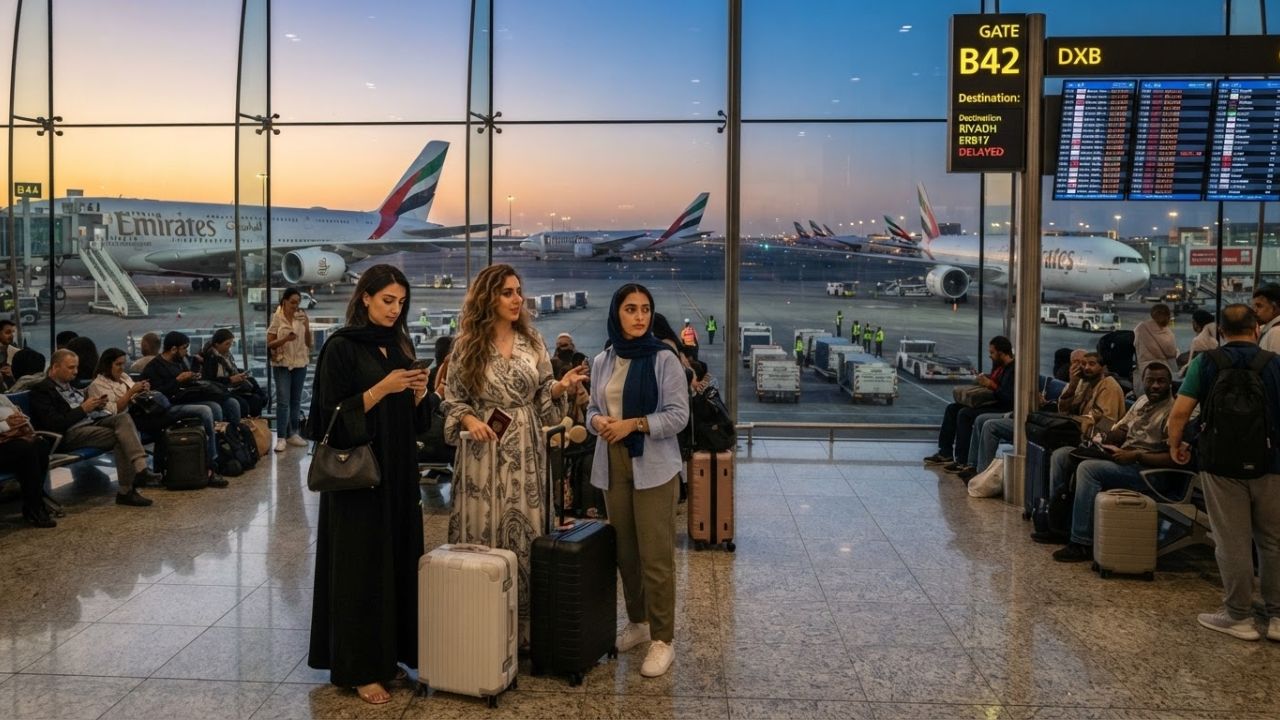
Image generated by AI
Middle East aviation networks are experiencing widespread disruptions, recording 490 flight delays and 116 cancellations on August 6, 2026. While Saudi Arabian carriers prioritize schedule cuts to manage regional capacity, UAE hubs are absorbing backlogs through extended delays.
The commercial aviation market in the Gulf region operates as a primary connecting corridor between East Asian gateways and European cities.
When regional security conditions or airspace management limits traffic flow, carriers must balance schedule reliability with safety-first navigation procedures across neighboring air corridors.
Network Strategy: Saudi Airlines Implement Precautionary Cancellations
Saudi Arabia is experiencing a high volume of schedule cuts, accounting for over 87% of all cancellations across the region. At King Khalid International Airport in Riyadh, airlines removed 31 flights from schedules, representing the highest cancellation rate of the day.
This strategic choice is concentrated among domestic and regional carriers:
- Saudia: The national carrier bore the brunt of the disruptions, accounting for 91 of the 116 cancelled flights (approximately 78.4% of all regional cancellations).
- Regional Airports: Najran Domestic Airport, Gizan Regional Airport, and Abha Regional Airport recorded cancellations without accompanying delays, indicating services were withdrawn early to protect fleet rotations.
- Budget Operators: Both flyadeal and Flynas adjusted schedules, coordinating cancellations from their primary hubs in Riyadh and Jeddah.
Operational Delays: Dubai and Sharjah Hubs Manage Traffic Backlogs
In the United Arab Emirates, aviation operators chose to absorb schedule delays rather than cancel flights, helping preserve international route connections. Real-time tracking logs from FlightAware confirmed that UAE airports experienced high passenger volumes despite significant schedule slippage.
The delay pattern is centered at Dubai International Airport, which recorded the highest number of delays in the Middle East with 183.
FlyDubai accumulated the highest number of delayed departures, with Emirates also reporting schedule slippage. At Sharjah International Airport, Air Arabia absorbed the majority of delays, with secondary backlogs affecting Air India Express and Ethiopian Airlines.
Airspace Security: Regional Tensions Shape Southern Aviation Corridors
The regional operating environment is influenced by security factors alongside routine airport congestion and air traffic management decisions. Saudi-Houthi tensions and recent security developments in the Red Sea shipping lanes have added operational complexity.
These conditions require flight dispatch teams to coordinate alternative route options and plan additional fuel reserves when navigating southern Saudi corridors near Yemen.
In contrast, Afghanistan's airspace experienced limited disruptions, with minor delays restricted to Kabul International Airport affecting Kam Air and Ariana Afghan flights.
Traveler Advisory and Middle East Hub Transit Tips
To help you manage travel delays during the current schedule adjustments:
- Confirm Booking Status in Riyadh: If you are transiting through Riyadh or Jeddah, check your airline's mobile app before leaving for the terminal, as flights are more likely to be cancelled early.
- Allow for Layovers in Dubai: If connecting through Dubai or Sharjah, ensure you have at least a 2.5-hour transfer window to buffer against rolling delays on regional routes.
- Track Alternate Routings: If your regional flight in Saudi Arabia is cancelled, consult with ticket desks to look for alternate flights connecting through Gulf hubs.
- Local Culinary Specialties:
- Kabsa: Sample this traditional spiced rice and chicken dish at Riyadh terminal restaurants during layovers.
- Shawarma: Enjoy freshly grilled meat wraps at dining options inside the Dubai airport concourse.
- Verify Overnight Vouchers: If your connection through Jeddah or Riyadh is delayed overnight, ask gate agents for hotel and shuttle vouchers.
Future Projections for Gulf Air Traffic Coordination and Safety Management
The differing operational strategies between Saudi Arabia and the UAE highlight the complexity of managing regional networks. By utilizing alternates and adjusting flight schedules, carriers can protect passengers while maintaining high safety standards.
Over the coming years, improved satellite navigation and coordinated regional air traffic control systems will help manage airspace constraints. By maintaining strict safety protocols and utilizing flexible routing options, Gulf operators ensure that international travelers continue to connect reliably across regional hubs.
Data Table
| Regional Hub | Primary Strategy | Flight Delays | Flight Cancellations | Primary Affected Carriers |
|---|---|---|---|---|
| Dubai International (DXB) | Delay Absorption | 183 | Minimal | FlyDubai, Emirates |
| King Khalid (RUH - Riyadh) | Precautionary Cancellations | Moderate | 31 | Saudia, flyadeal, Flynas |
| King Abdulaziz (JED - Jeddah) | Precautionary Cancellations | Moderate | High | Saudia, flyadeal, Flynas |
| Sharjah International (SHJ) | Delay Absorption | High | Minimal | Air Arabia, Air India Express, Ethiopian |
| Najran & Gizan Airports | Precautionary Cancellations | None | Elevated | Saudia, flyadeal |
| Kabul International (KBL) | Minor Schedule Adjustments | Low | Low | Kam Air, Ariana Afghan Airlines |
Key Takeaways
- Regional Divide: Saudi Arabian airports are prioritizing schedule cancellations, while UAE hubs like Dubai are absorbing traffic backlogs through delays.
- Saudia Impact: Saudia accounted for 91 of the 116 cancellations across the Middle East, making up approximately 78.4% of the region's total.
- Airspace Pressures: Airspace management is influenced by regional tensions, requiring flight crews to utilize alternate route options in southern corridors.
FAQ
Q: Why are flight cancellations more common in Saudi Arabia than in the UAE? A: Saudi carriers are prioritizing schedule cancellations to prevent delays from spreading through their networks, whereas UAE airlines prefer to operate delayed flights to preserve connecting links.
Q: How do Red Sea security tensions affect commercial flights? A: Regional security conditions require flight dispatch teams to plan alternative routes and coordinate additional fuel reserves when operating near southern borders.
Q: Are passenger connections guaranteed during rolling delays in Dubai? A: If you book your journey on a single ticket, the airline is responsible for re-booking you onto the next available flight if you miss a connection due to delays.
Related Travel Guides
Disclaimer
This article is for informational and educational purposes only. It does not constitute legal, financial, or professional advice. While we strive to provide accurate and up-to-date information, travel policies, regulations, and conditions change rapidly. Always verify information with official sources before making travel decisions. Nomad Lawyer makes no representations about the accuracy, reliability, completeness, or suitability of the information provided. Readers should consult qualified professionals for advice specific to their circumstances. The views expressed in this article are those of the author and do not necessarily reflect the views of Nomad Lawyer.
Kunal K Choudhary
Co-Founder & Contributor
A passionate traveller and tech enthusiast. Kunal contributes to the vision and growth of Nomad Lawyer, bringing fresh perspectives and driving the community forward.
Learn more about our team →