
Qantas and Global Carriers Redraw Flight Maps with International Route Cuts
Qantas and major global airlines suspend multiple long-haul routes to optimize fleet usage and focus on high-yield international corridors.

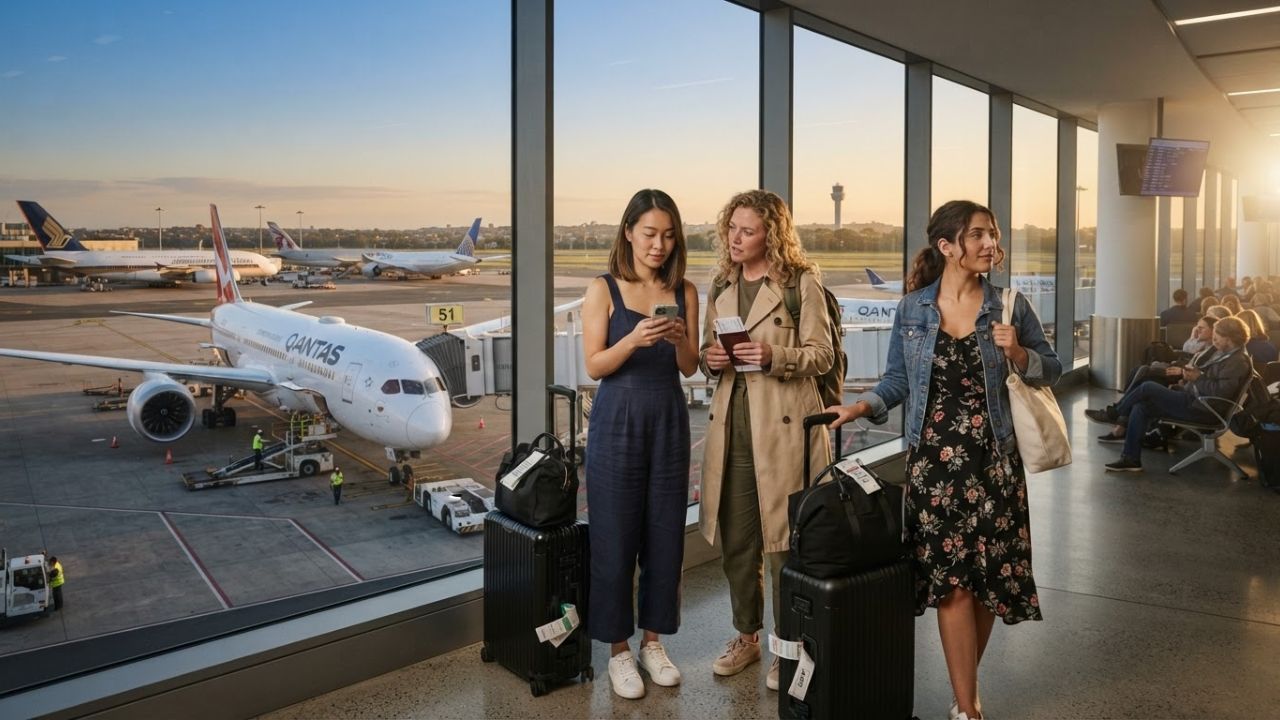
Image generated by AI
Qantas has removed nine long-haul destinations from its international network, reflecting a global consolidation trend among major airlines. As carriers prioritize highly profitable corridors, travelers face fewer direct flights and increased reliance on connection hubs like Singapore and Dubai.
The global commercial aviation market is experiencing a significant network reset. Facing persistent aircraft delivery delays, elevated fuel prices, and changing corporate travel patterns, major network carriers are adjusting their flight plans.
Rather than maintaining historic international links for geographic scale, airlines are moving capacity toward high-yield leisure routes and key hub networks.
Network Restructuring: Qantas Withdraws Nine Long-Haul Services
Qantas Airways has adjusted its long-haul flight paths, removing several direct flights linking Australian capitals with gateways in Asia, North America, South America, and Africa.
The suspended and adjusted Qantas routes include:
- Sydney to Shanghai & Beijing: Direct flights to China have been suspended due to weak passenger demand and changing market conditions.
- Sydney to Santiago: The South American route was suspended and has not been restored as a regular Qantas-operated service.
- Perth to Johannesburg: Suspended as part of the airline's capacity reallocation.
- Melbourne to Dallas/Fort Worth: Withdrawn to concentrate US-bound services through Sydney and Brisbane hubs.
- Brisbane to Chicago: Suspended and not restored to the network.
Competitive Pressures: Legacy Airlines Suspend Vulnerable Corridors
The route adjustments by Qantas match decisions made by legacy carriers worldwide. In the United Kingdom, British Airways and Virgin Atlantic have suspended flights from London Heathrow to Beijing and Shanghai, citing weak demand recovery and high operating costs.
In North America, American Airlines and United Airlines have reduced direct flights to China, routing passengers through Tokyo or Seoul.
Finnair has adjusted its Helsinki to Tokyo and Osaka routes because Russian airspace closures have increased operating costs and flight times by several hours.
Strategic Consolidation: Bypassing Secondary Routes for Hub Efficiency
Airlines are concentrating their fleets on high-value, hub-to-hub corridors. Instead of offering direct point-to-point regional services, carriers are directing passengers through large, consolidated transit hubs:
- Changi Airport: Singapore Changi Airport handles redirected traffic for travellers moving between Australia, Southeast Asia, and Europe.
- Gulf Gateways: Dubai International Airport and Doha’s Hamad International Airport process high passenger volumes, linking European capitals with Oceania.
- North American Connectors: Los Angeles and San Francisco manage transpacific traffic, with carriers like Air New Zealand suspending direct routes to Chicago to concentrate capacity on West Coast gateways.
This shift helps carriers maximize passenger volumes per flight but increases connection times for long-haul travelers.
Traveler Advisory and Global Hub Connection Tips
To help you manage unexpected route changes and long layovers:
- Compare Airline Partnership Options: If your direct route is cancelled, look for flights operated by codeshare or alliance partners (such as oneworld or Star Alliance) to protect your baggage transfers.
- Verify Transit Visa Rules at Hubs: Ensure you check transit visa requirements if you are routed through alternate connection hubs like Doha, Dubai, or Tokyo Narita.
- Book Longer Connection Windows: With more travelers concentrated at major hubs, secure at least a two-hour window for international connections to cushion against departure delays.
- Local Culinary Specialties:
- Singapore Laksa: Try a hot bowl of spicy coconut noodle soup at terminal dining spots in Changi.
- Arabic Dates and Coffee: Enjoy traditional hospitality during layovers in Dubai or Abu Dhabi.
- Leverage Stopover Programs: Many Gulf and Asian carriers offer complimentary or discounted hotel bookings for layovers longer than 10 to 12 hours.
Future Projections for Long-Haul Fleet Capacity and Airfare Trends
The reduction in direct long-haul routes shows that the aviation sector is prioritizing fleet utilization and profit margins over network size. By directing traffic through primary hubs, airlines can manage fuel costs and maintain high passenger load factors.
Over the next decade, the arrival of new ultra-long-haul aircraft, such as the Airbus A350-1000, will reshape international networks. By utilizing efficient, next-generation fleets and coordinating flights through key transit hubs, airlines will continue to adapt to changing passenger demand.
Data Table
| Airline | Origin & Destination Route Cuts | Affected Destinations | Primary Strategic Reason | Traveler Consequences |
|---|---|---|---|---|
| Qantas | Sydney–Shanghai, Sydney–Beijing, Sydney–Santiago, Perth–Johannesburg, Melbourne–Dallas/Fort Worth | China, South America, South Africa, USA | Post-pandemic capacity restructuring and route yield optimization | Australian travelers rely more on Singapore, Dubai, and Doha hubs |
| British Airways | London Heathrow–Beijing, London Heathrow–Hong Kong capacity cuts | China, Hong Kong | Low demand recovery and aircraft availability constraints | UK travelers face fewer direct China routes; transit through Gulf hubs |
| Lufthansa | Frankfurt–Beijing reductions, Frankfurt–Nanjing, Munich–Hong Kong | China, Hong Kong | Weak business travel demand and regional competition | European passengers use connection flights to reach secondary Chinese hubs |
| Air New Zealand | Auckland–Chicago suspension, Auckland–London (via LAX) removal | USA, Europe | Fleet limitations and route profitability review | New Zealand travelers connect through Sydney, Singapore, or Los Angeles |
| Cathay Pacific | Hong Kong–Cape Town, Hong Kong–Washington Dulles, North American cuts | South Africa, USA | Fleet recovery delays and aircraft deployment priorities | Travelers have fewer direct options; transit through East Asian hubs |
| American Airlines | Dallas–Hong Kong, Chicago–Beijing, selected China route reductions | China, Hong Kong | Lower profitability and US-China aviation competition | US passengers connect through Tokyo Narita or Seoul Incheon |
| Finnair | Helsinki–Tokyo Narita reductions, Helsinki–Osaka suspension | Japan, East Asia | Russian airspace closure increased flight times and fuel costs | Longer flight times and higher fares for Europe-Asia corridors |
| Virgin Atlantic | London Heathrow–Hong Kong, London Heathrow–Shanghai suspensions | Hong Kong, China | Commercial viability review and partnership adjustments | UK travelers rely on legacy carriers or Middle Eastern airlines |
Key Takeaways
- Network Reductions: Qantas has removed nine long-haul routes, including direct flights to Shanghai, Beijing, Santiago, and Johannesburg.
- Consolidation Trend: Global carriers like British Airways, United, and Air New Zealand are suspending direct flights to optimize fleet usage.
- Hub Reliance: Travelers face longer flight paths and more connections through primary hubs like Singapore, Dubai, and Doha.
FAQ
Q: Why are airlines cutting direct flights to China? A: Weak demand recovery, slot constraints, and high operating costs have made several direct routes to China financially difficult to sustain.
Q: How do Russian airspace closures affect European airlines? A: European carriers must fly around Russian airspace to reach East Asia, adding several hours to flight times and increasing fuel costs.
Q: Are passenger tickets more expensive on connection flights? A: Not necessarily, though the loss of direct nonstop flights reduces competition, which can lead to higher average fares on specific routes.
Related Travel Guides
Disclaimer
This article is for informational and educational purposes only. It does not constitute legal, financial, or professional advice. While we strive to provide accurate and up-to-date information, travel policies, regulations, and conditions change rapidly. Always verify information with official sources before making travel decisions. Nomad Lawyer makes no representations about the accuracy, reliability, completeness, or suitability of the information provided. Readers should consult qualified professionals for advice specific to their circumstances. The views expressed in this article are those of the author and do not necessarily reflect the views of Nomad Lawyer.
Kunal K Choudhary
Co-Founder & Contributor
A passionate traveller and tech enthusiast. Kunal contributes to the vision and growth of Nomad Lawyer, bringing fresh perspectives and driving the community forward.
Learn more about our team →