Saudia Launches Jeddah to Moscow Direct Flights December 2026: Expanding Russian Market Access

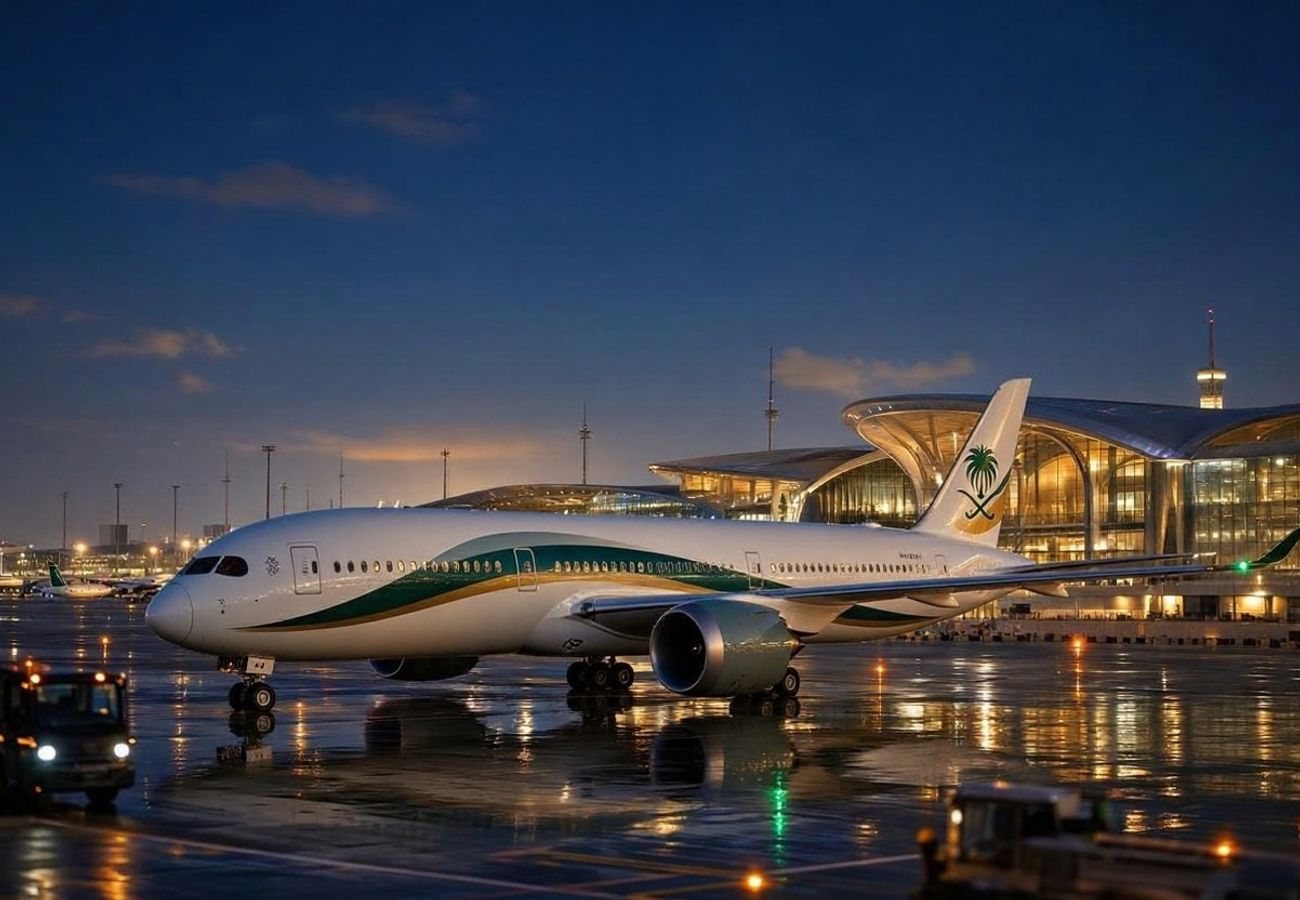
Image generated by AI
Saudi Arabia's international visitor count reached over 30 million in 2025, a critical milestone in its trajectory toward a 150 million annual visitor target by 2030. This aggressive growth is now manifesting in expanded aviation infrastructure, specifically targeting the Russian market. Starting December 1, 2026, Saudia will initiate three weekly nonstop flights connecting King Abdulaziz International Airport in Jeddah and Sheremetyevo International Airport in Moscow.
The Jeddah-Moscow Connection in Numbers
The deployment of the Boeing 787-9, a wide-body aircraft optimized for long-haul efficiency, signals Saudia's intent to capture high-capacity demand. This route is not a standalone venture but a calculated component of the Saudi Air Connectivity Program. To understand the scale of this program, one must look at the 2025 performance metrics: 17 partnered airlines and 69 collaborated routes generating approximately 4.8 million seats.
By adding Jeddah to the existing Riyadh-Moscow corridor, the Kingdom is diversifying its entry points. This shift allows Russian travelers to bypass the capital and land directly in the western region, providing immediate access to the historic Al Balad district and the Red Sea coastline, as well as streamlined transit to the holy cities of Mecca and Medina.
Comparative Market Context: Aviation and Access
The launch of this route follows a strategic diplomatic shift. In December 2025, Saudi Arabia and Russia implemented a mutual visa-exemption agreement. This policy allows holders of ordinary, special, and diplomatic passports to enter for tourism or business for up to 90 days within a calendar year. This removes a primary friction point that historically hindered the growth of non-religious tourism.
The following table illustrates the shift in Saudi Arabia's tourism strategy from a religious-centric model to a diversified international hub.
| Metric | 2025 Status (Actual/Reported) | 2030 Target (Projected) | Shift Analysis |
|---|---|---|---|
| Total Annual Visitors | 123 Million (Dom + Int) | 150 Million | +21.9% Growth Required |
| International Visitors | 30 Million+ | Not Specified (Aggregated) | Diversification of source markets |
| Air Connectivity | 69 Collaborated Routes | Expanded Global Network | Shift toward direct long-haul |
| Visa Requirements | Mutual Exemption (Russia) | Streamlined Global E-Visas | Reduction of administrative barriers |
This data aligns with broader global trends reported by the World Tourism Organization (UNWTO), where emerging markets are increasingly using "aviation-first" strategies to stimulate leisure demand in previously untapped corridors.
What This Means for Travelers
For Russian citizens and international nomads using Moscow as a hub, the December 1 launch changes the logistics of visiting the Arabian Peninsula.
- Booking Window: With only three flights per week, seat inventory on the Boeing 787-9 will be tighter than daily services. Travelers planning winter 2026 trips should secure bookings 8-12 weeks in advance to avoid price spikes.
- Itinerary Planning: Landing in Jeddah now makes "Western Circuit" trips more viable. Travelers can combine the coastal luxury of the Red Sea development with the archaeological sites of AlUla and the urban centers of Riyadh without backtracking through the capital.
- Visa Logistics: Ensure your passport qualifies under the December 2025 exemption. Note that this exemption does not cover Hajj, employment, or residency; those traveling for these purposes must still follow traditional visa protocols.
For real-time tracking of capacity and scheduling, travelers should monitor OAG for flight frequency updates as the launch date approaches.
Forward Projection: The 2030 Trajectory
The Jeddah-Moscow route is a bellwether for the National Aviation Strategy. The move from 30 million international visitors in 2025 toward the 150 million goal by 2030 requires a compound annual growth rate that cannot be sustained by religious tourism alone.
We expect to see a similar pattern of "secondary city" connectivity. Just as Jeddah is now linked to Moscow, we will likely see direct connections from other Russian hubs to destinations like AlUla or the Red Sea resorts. The integration of the International Air Transport Association (IATA) standards for seamless transit will be essential as Saudi Arabia transforms into a global transit hub competing with Dubai and Doha.
FAQ: Saudia Moscow-Jeddah 2026
Will ticket prices decrease with the new route? Initially, prices may remain high due to the limited frequency (3x weekly). However, the introduction of more capacity generally stabilizes long-term pricing compared to indirect routes.
Is the visa-free entry available for all Russian citizens? Yes, for holders of ordinary, special, and diplomatic passports for visits up to 90 days, provided the purpose is tourism, business, or family.
Which aircraft is used for this route? Saudia is deploying the Boeing 787-9, a wide-body aircraft designed for long-haul international travel, offering better fuel efficiency and passenger comfort.
Can I visit Riyadh via the Jeddah flight? Yes, while the flight lands in Jeddah, you can utilize domestic connections to reach Riyadh, AlUla, or other regional destinations.
Aviation connectivity is the primary engine driving the Kingdom's transition from a pilgrimage site to a global leisure powerhouse.
Related Travel Guides
This article is for informational purposes. Flight routes, passenger regulations, visa rules, and transit advisories are subject to change by airlines and aviation authorities. Readers are advised to verify schedules and travel documentation with relevant carriers and border agencies before departure.
Related Stories

US Aviation Chaos 2026: Dallas and Chicago Lead 2,956 Flight Delays After FAA Telecom Failure
Neos Launches First Nonstop Milan to Cozumel Flight: Logistics Guide for Christmas 2026