
Gulf Transit Shifts: Flight Disruptions Reshape Middle East Travel
Over 434 delays and 93 cancellations hit Middle Eastern hubs on August 6, 2026, driving a new trend of slow, cultural transit tourism.

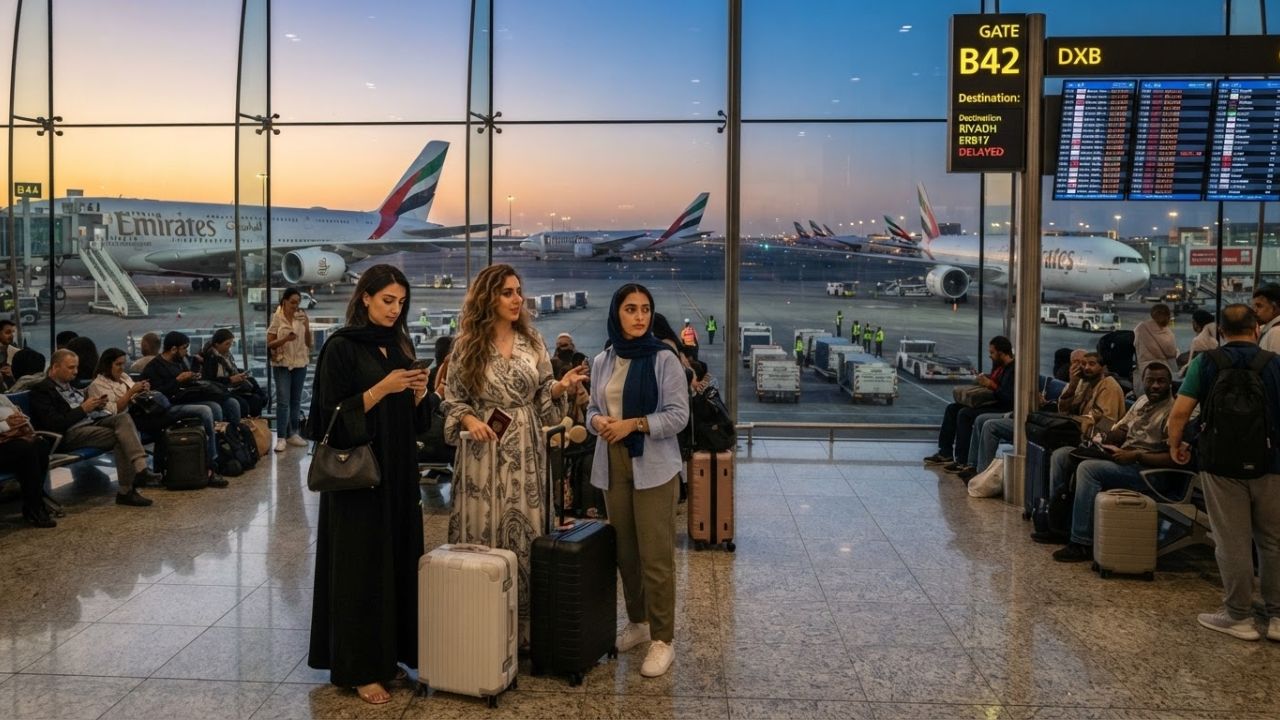
Image generated by AI
With 434 delays and 93 cancellations disrupting air travel across the Gulf on August 6, 2026, passengers transiting through Riyadh, Jeddah, and Amman are turning unexpected layovers into slow travel opportunities to explore local Middle Eastern heritage.
Unplanned Journeys: How Flight Disruptions Spark a Slow Travel Trend in the Gulf
Widespread airspace reroutings and operational bottlenecks have hit major transport hubs across the Gulf and wider Middle East, recording a total of 527 flight disruptions, including 434 delays and 93 cancellations. According to real-time flight tracking logs from FlightAware, these delays are concentrated heavily around key political, business, and cultural centers. In Saudi Arabia, King Khalid International Airport in Riyadh recorded 160 delays and 27 cancellations, while King Abdulaziz International Airport in Jeddah reported 141 delays and 18 cancellations, creating significant passenger queues.
While these delays interrupt initial itineraries, travelers are increasingly stepping out of the terminals to engage in low-impact exploration. Rather than viewing a delay as lost time, passengers are taking advantage of these holds to discover the cities hosting them. This shift supports local hospitality, transport, and retail sectors, turning aviation gridlock into a positive force for regional tourism economies.
Exploring Heritage Beyond the Tarmac: Cultural Value in Amman and Riyadh
For the visitor, an unexpected stopover in the Gulf opens the door to ancient historical routes and modern cultural developments. In Riyadh, travelers are utilizing low-emission transit systems to visit the historic Diriyah district, the clay-and-mud-brick birthplace of the Saudi state, which has been restored to highlight traditional Najdi architecture. Visitors can support local economies directly by purchasing traditional copper work, hand-woven carpets, and local dates from independent merchants.
Similarly, passengers diverted through Jeddah can explore Al-Balad, a UNESCO World Heritage site known for its historic coral-stone houses and intricate wooden window lattices. In Jordan, where Queen Alia International Airport in Amman recorded 52 delays and 3 cancellations, travelers can easily access ancient Roman ruins and traditional souks. This slow travel approach shifts the focus from rapid transit to meaningful cultural exchange, aligned with regional heritage conservation guidelines set by local tourism departments.
Valley and Desert Insider Tips for the Stranded Traveler
For travelers facing scheduling adjustments at major Gulf transit points, local specialists suggest several practical strategies:
- Eco-Friendly Transit: In Riyadh, utilize the expanding metro network for low-emission travel to the city center. In Amman, the airport express bus offers regular, low-cost transit to downtown.
- Cultural Etiquette: When visiting cultural or religious sites in Saudi Arabia and Jordan, dress modestly by covering shoulders and knees. Respect local guidelines during daily prayer times.
- Local Dining Specialties: Sample regional culinary traditions, such as Kabsa (spiced rice and meat) in Saudi Arabia, Mansaf (lamb cooked in fermented dried yogurt) in Jordan, and freshly brewed Arabic coffee served with local dates.
- Off-Peak Excursions: During peak heat seasons, plan outdoor activities for the cooler early morning or late evening hours, and carry adequate hydration.
- Hidden Gems: In Riyadh, visit the Souq Al Zel for traditional goods, or explore the street art and independent cafes along Amman's Rainbow Street.
The Future of Resilient Tourism in the Middle East
The resilience of Middle East aviation networks remains closely linked to broader diplomatic and maritime security updates. The current schedule adjustments occurred during a period of active negotiations between Iran and Oman regarding shipping access through the Strait of Hormuz. For more details on these negotiations and their impact on regional stability, see the Strait of Hormuz maritime agreement guide. While diplomatic discussions offer hope for long-term stability, recent security incidents, including reported drone and missile attacks in Yemen and the Red Sea, continue to require airlines to implement route modifications.
To manage these challenges, airlines are adopting distinct operational strategies. Flag carrier Saudia recorded 37 cancellations (representing 6 percent of its operations) and 78 delays (13 percent), while low-cost carrier flyadeal reported 7 cancellations (2 percent) and 65 delays (25 percent). UAE-based Air Arabia reported 9 cancellations (3 percent) and 59 delays (23 percent), and Royal Jordanian logged 3 cancellations (2 percent) and 26 delays (17 percent). By maintaining active communication with passengers and coordinating with airport authorities in Bahrain (31 delays, 4 cancellations), Kuwait (24 delays, 2 cancellations), and Najaf (3 delays, 2 cancellations), carriers are helping transit passengers discover the unique cultural heritage of the Gulf.
Related Travel Guides
Iran and Oman Near Strait of Hormuz Agreement to Restabilize Gulf Shipping and Boost Tourism
Middle East Air Travel Hit by 116 Cancellations and 490 Delays
Disclaimer
This article is for informational and educational purposes only. It does not constitute legal, financial, or professional advice. While we strive to provide accurate and up-to-date information, travel policies, regulations, and conditions change rapidly. Always verify information with official sources before making travel decisions. Nomad Lawyer makes no representations about the accuracy, reliability, completeness, or suitability of the information provided. Readers should consult qualified professionals for advice specific to their circumstances. The views expressed in this article are those of the author and do not necessarily reflect the views of Nomad Lawyer.
Kunal K Choudhary
Co-Founder & Contributor
A passionate traveller and tech enthusiast. Kunal contributes to the vision and growth of Nomad Lawyer, bringing fresh perspectives and driving the community forward.
Learn more about our team →