
Divided Skies: How 116 Cancellations and 490 Delays Reshaped Middle East Air Travel
A total of 116 flight cancellations and 490 delays hit Middle East air corridors on August 5, 2026, revealing distinct operating strategies.
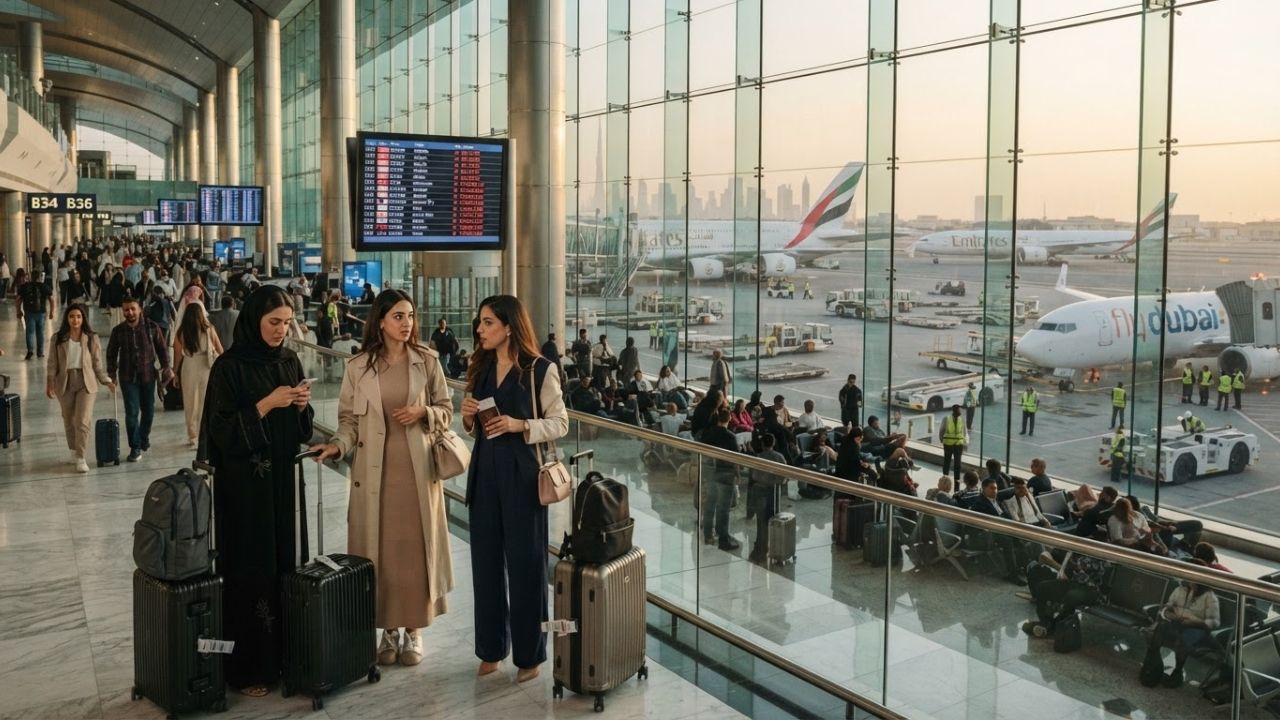
Image generated by AI
When a wave of 116 flight cancellations and 490 delays impacted Middle East air travel corridors on August 5, 2026, it revealed a stark operational divide between Gulf nations. While Saudi Arabian hubs accounted for over 87% of all cancellations, major gateways in the United Arab Emirates managed the disruption through extended scheduling delays, preserving core international connectivity.
Regional Operational Divide: Saudi Cancellations vs. Emirates Delays
Aviation operations across Saudi Arabia, the United Arab Emirates, and Afghanistan faced a challenging operating environment on August 5, 2026. Airlines managed a total of 116 cancellations and 490 delays, with the operational impact distributed unevenly across regional transit points. A close examination of flight tracking logs indicates a sharp divide in how carriers responded to routing pressures. In the United Arab Emirates, airports focused on keeping flights moving, accepting delays rather than removing flights from schedules. Dubai International Airport recorded the highest volume of delays with 183, while Sharjah International Airport also processed flights through extended turnaround times.
Conversely, aviation operators in Saudi Arabia chose to reduce schedules to prevent cascading delays across their networks. King Khalid International Airport in Riyadh recorded 31 cancellations, the highest number of flight removals in the region. Flag carrier Saudia carried the heaviest operational burden, accounting for 91 of the 116 cancelled flights—approximately 78.4% of all regional cancellations. Other Saudi-based operators, including low-cost carriers flyadeal and Flynas, also faced significant scheduling adjustments. This trend of schedule reduction in Saudi Arabia contrasted sharply with the UAE, where Emirates, FlyDubai, and Air Arabia primarily accumulated delays rather than cancelling services.
This cancellation-heavy pattern was particularly stark at regional facilities in southern Saudi Arabia. Najran Domestic Airport and Gizan Regional Airport recorded flight cancellations without accompanying delays, indicating services were withdrawn from the day's schedule rather than held back. Abha Regional Airport also saw cancellations outnumber delays, reinforcing the broader pattern across the Kingdom. This approach of schedule reduction suggests that Saudi carriers determined that removing flights was more practical than allowing delays to cascade across their domestic and international networks.
FlyDubai recorded the highest number of delayed flights in the region, with the overwhelming majority of these disruptions occurring at Dubai International Airport and smaller numbers affecting operations at Abha and Kabul. The airline largely kept flights operating despite schedule disruption, reflecting the UAE's broader strategy of managing delays instead of cancelling services. Similarly, Emirates faced significant delays almost exclusively at Dubai International Airport. Despite schedule disruption, the airline avoided widespread cancellations, reinforcing the broader operational pattern seen across the UAE, where carriers generally prioritized maintaining flight schedules with delayed departures.
Airspace Routing Complexity: Geopolitical Factors and Safety Protocols
For the international traveler, the operational divergence between these regional aviation networks has direct consequences. The choice to delay rather than cancel, as demonstrated by the Dubai Department of Economy and Tourism (DET), helps maintain international transit routes that are vital for global commerce and cultural exchange. When flights are held on the tarmac or rerouted, passengers are kept within the system, ensuring they eventually reach their destinations. However, these choices also place a heavy burden on airport terminals and local logistics.
Evolving regional security conditions, including Saudi-Houthi tensions and recent claims of Houthi attacks on Red Sea shipping, require airlines to coordinate flight paths carefully. The threat of actions affecting access routes linked to Saudi trade increases operational planning, requiring airlines to coordinate with safety regulators to maintain clear corridors. Rerouting wide-body passenger jets around restricted corridors demands real-time coordination with regional air traffic control to ensure passenger safety. While these route adjustments increase fuel burn, airlines are working with the Saudi Tourism Authority and international aviation bodies to implement optimized flight management profiles that minimize environmental impacts.
On the ground, travelers experiencing flight delays can support local communities by visiting independent merchants in the terminals. In major hubs like Dubai and Riyadh, purchasing food, beverages, and regional crafts from local suppliers keeps economic benefits within the host community. This support is vital for regional artisans and vendors who rely on transit tourism to maintain their businesses, offsetting the broader economic impact of scheduling disruptions.
Gulf Transit Guide: Layover Survival and Passenger Rights
For passengers navigating travel routes in Saudi Arabia, the United Arab Emirates, or Afghanistan during periods of scheduling adjustments, local specialists suggest several practical strategies:
- Optimal Booking Windows: To avoid the peak congestion times at major hubs like Dubai International Airport and King Khalid International Airport, travelers should select early morning flights when terminal volumes are typically lower and flight schedules are less likely to have slipped.
- Transit Etiquette: When experiencing an extended delay, remain patient and monitor your airline's mobile application for real-time gate changes and boarding updates. Keep physical copy of your travel documents alongside digital versions to make transit security checks efficient.
- Regional Dining Specialties: Take advantage of your layover to sample authentic local cuisine. In Saudi airports, try traditional dates paired with Arabic coffee, or try local rice dishes like kabsa. In Dubai or Sharjah, sample Emirati specialties such as luqaimat or local camel milk chocolates.
- Kabul Airport Transit: Travelers transiting through Kabul International Airport in Afghanistan should prepare for limited services. Local airlines, including Kam Air and Ariana Afghan, may adjust schedules on short notice, making it necessary to confirm all flights at least 24 hours in advance.
- Airport Lounges and Rest Areas: In Dubai (DXB), seek out the quieter rest zones located near the outer ends of Concourse B and Concourse C, which offer reclining lounge seats and a quieter environment away from the central departure gates.
- Under-the-Radar Retreats: At Riyadh (RUH), terminal gardens and quiet prayer areas provide peaceful zones to relax during extended layovers.
In addition to practical navigation, travelers should be aware of their regulatory rights during disruptions. Under U.S. Department of Transportation (DOT) guidelines, if your booking involves a codeshare agreement with a U.S. airline and the flight is cancelled, you have the right to a full cash refund of your ticket if you choose not to accept the carrier's alternative rebooking. For transit passengers facing extended delays exceeding three hours at major Gulf hubs, airlines are required to provide duty-of-care services, including complimentary refreshments, meals, and communications access.
Global Connectivity: The Long-Term Resilience of Middle East Hubs
The successful management of Gulf hubs during these disruptions demonstrates the underlying resilience of the region's commercial aviation sector. As international passenger traffic continues to expand, maintaining high standards of operational flexibility will remain essential for regional carriers. The divergent strategies observed today—Saudi Arabia's schedule reductions and the UAE's delay absorption—show how different operating models handle network stress. Over the next 12 to 24 hours, recovery will likely depend on how quickly airlines reposition aircraft, crews, and airport resources while adapting to both routine operational pressures and the broader regional security environment.
Over the long term, continued infrastructure upgrades, including runway expansions and advanced air traffic management systems, will ensure that hubs like Dubai and Riyadh can support global transit traffic. Through the combined efforts of airport operators, airline dispatchers, and tourism departments, the Middle East will continue to serve as a vital bridge for global travelers, ensuring safe and professional transit even during periods of operational adjustments.
Related Travel Guides
Disclaimer
This article is for informational and educational purposes only. It does not constitute legal, financial, or professional advice. While we strive to provide accurate and up-to-date information, travel policies, regulations, and conditions change rapidly. Always verify information with official sources before making travel decisions. Nomad Lawyer makes no representations about the accuracy, reliability, completeness, or suitability of the information provided. Readers should consult qualified professionals for advice specific to their circumstances. The views expressed in this article are those of the author and do not necessarily reflect the views of Nomad Lawyer.