
Middle East Flight Disruption: 960 Delays and 84 Cancellations Hit Major Hubs
FlightAware data recorded on August 12, 2026, highlights widespread Middle East aviation disruption with 968 delays across major hubs.
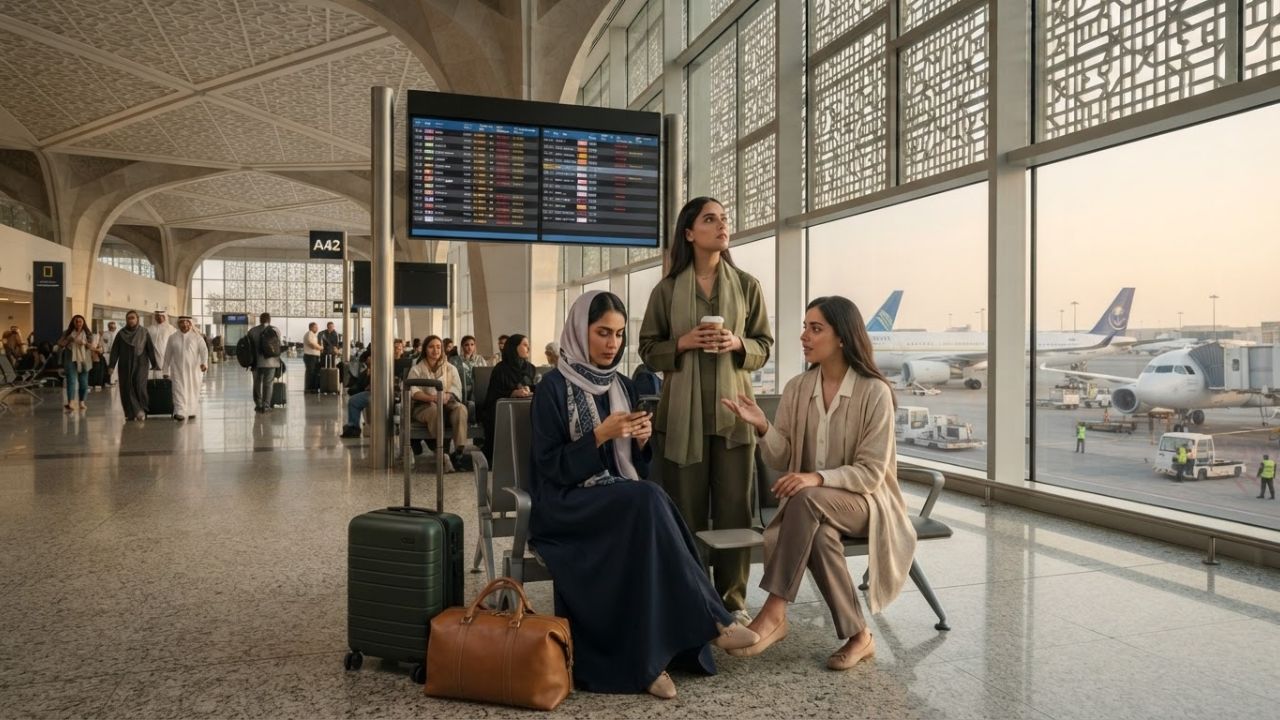
Image generated by AI
Recording 968 delays and 84 flight cancellations across major regional hubs on August 12, 2026, the Middle Eastern aviation network is managing severe operational disruptions.
The Core Transit Update
International connecting routes and regional passenger corridors across the United Arab Emirates, Egypt, Qatar, and Saudi Arabia are facing schedule disruptions. FlightAware data compiled on August 12, 2026, at 6:57 pm ET (August 13, 4:27 am IST) shows that Dubai International (258 delays) and Cairo International (186 delays) were the most disrupted hubs.
The delays spread to Hamad International in Doha (150 delays) and King Khalid International in Riyadh (143 delays and 25 cancellations). Airline operations were heavily impacted, with Qatar Airways (135 delays), Emirates (103 delays), flydubai (101 delays), Air Arabia (84 delays and five cancellations), and EgyptAir (71 delays) managing high delay counts, while Saudia recorded the highest cancellation total at 73 flights (with 15 at Gizan, 12 at Najran, nine at Abha, 14 at Jeddah, and 23 at Riyadh).
Airport Disruption & Carrier Metrics
Planning a transit connection through the Middle East requires tracking airport delay volumes and checking carrier cancellation rates. The following tables outline the flight delays and cancellations by major hub airport and airline.
| Middle East Hub Airport Gateway | Stated Flight Delays | Stated Flight Cancellations | Principal Affected Carrier / Disruption |
|---|---|---|---|
| Dubai International (DXB) | 258 delays | 3 cancellations | Emirates (103 delays) & flydubai (88 delays) |
| Cairo International (CAI) | 186 delays | Not specified | EgyptAir (69 delays) & Nile Air (37 delays) |
| Hamad International (DOH) | 150 delays | 1 cancellation | Qatar Airways (126 delays at hub) |
| King Khalid (RUH) | 143 delays | 25 cancellations | Saudia (30 delays, 23 cancellations) |
| King Abdulaziz (JED) | 121 delays | 15 cancellations | Saudia (22 delays, 14 cancellations) |
| Sharjah International (SHJ) | 91 delays | 4 cancellations | Air Arabia (76 delays, 4 cancellations) |
| Abha Regional (AHB) | 19 delays | 9 cancellations | Saudia (9 cancellations at regional gateway) |
| Gizan Regional (GIZ) | 0 delays | 15 cancellations | Saudia (15 cancellations at local gateway) |
| Najran Domestic (EAM) | 0 delays | 12 cancellations | Saudia (12 cancellations at local gateway) |
Middle East airport flight delays and cancellations on August 12, 2026.
| Affected Middle East Airline | Stated Delays Count | Stated Cancellations | Primary Operational / Hub Disruption |
|---|---|---|---|
| Qatar Airways | 135 delays | Not specified | Centered at Hamad International (126 delays) |
| Emirates | 103 delays | Not specified | All delays concentrated at Dubai International |
| flydubai | 101 delays | Not specified | Widespread delays across DXB, DOH, and Saudi hubs |
| Air Arabia | 84 delays | 5 cancellations | Widespread delays across Sharjah (76 delays) |
| EgyptAir | 71 delays | Not specified | Centered at Cairo International (69 delays) |
| Saudia | 62 delays | 73 cancellations | Overwhelming majority of cancellations |
Flight disruption metrics by major Middle Eastern carrier.
Traveler Logistics Guide
From a ground-level perspective, the best way to navigate this is to verify your flight status online through your carrier's digital app before departing for your hotel, as this ensures you receive real-time gate reassignments and schedule changes without having to wait in long queues at the airport terminals. Checking your connecting flight status is recommended.
To plan your transit:
- Allow Safe Connecting Windows: For major regional transfers through Dubai, Doha, or Riyadh, allow a layover window of at least three and a half hours to absorb the impact of knock-on flight delays.
- Observe Digital Transit Policies: For travel in Saudi Arabia, utilize the official unified digital platforms where available to expedite airport terminal security gates and immigration processing.
- Monitor Gulf Terminal Upgrades: Dubai International (DXB) is experiencing high traffic. Leverage DXB's terminal shuttle trains to move quickly between Terminals 1 and 3 if your connection is tight.
- Contact Local Reservation Desks: If flying Saudia across regional airports (Gizan, Najran, Jeddah, or Riyadh), contact ticketing offices immediately for rebooking options following the 73 cancellations.
Infrastructure Impact Assessment
The implementation of unified air traffic management and the optimization of connecting flight paths protect major Middle Eastern terminals from severe gridlock during seasonal passenger surges.
By directing traveler flow to alternative routes, regional secondary airports, and optimized aircraft rotations, the aviation recovery effort helps minimize terminal congestion, preserves regional transit corridor capacities, and ensures that the economic impact of flight delays does not compromise regional connectivity.
Related Travel Guides
Asian Flight Disruption: 3,600 Delays and 230 Cancellations Hit Major Hubs
Shravani Mela 2026 Deoghar Travel Tips and Logistics Guide
10 Best Travel Tips for Navigating Middle Eastern Airport Delays, Rebooking Flights on Saudia, and Transiting Through Dubai Terminal, According to Reddit
Disclaimer
This article is for informational and educational purposes only. It does not constitute legal, financial, or professional advice. While we strive to provide accurate and up-to-date information, travel policies, regulations, and conditions change rapidly. Always verify information with official sources before making travel decisions. Nomad Lawyer makes no representations about the accuracy, reliability, completeness, or suitability of the information provided. Readers should consult qualified professionals for advice specific to their circumstances. The views expressed in this article are those of the author and do not necessarily reflect the views of Nomad Lawyer.