Beyond the Beach: Insider Guide to Miami Art Deco, Cuban Heritage, and Subtropical Wilderness

While over 90% of first-time visitors to South Florida never leave the sands of South Beach, Miami is flanked by two federally protected national wilderness areas totaling over 1.67 million acres of pristine subtropical mangroves, coral reefs, and sawgrass sloughs. From the largest collection of 1920s and 1930s resort architecture in the world to the rhythmic clatter of tiles in Máximo Gómez Park, stepping away from the neon-lit shoreline reveals an intricate mosaic of distinct cultural neighborhoods, maritime ecosystems, and historic estates that define the true character of South Florida.
Coordinating a journey through this coastal metropolis requires looking beyond standard travel brochures. Supported by official destination insights from the Greater Miami Convention & Visitors Bureau, travelers who explore Miami by distinct geographic districts discover how Cuban-American traditions, pioneering maritime history, and world-class contemporary art converge along the waters of Biscayne Bay.
The Cultural Evolution of Miami's Distinct Urban Enclaves
Greater Miami is not a single monoculture but rather a collection of self-contained historic communities, each shaped by distinct eras of migration, architectural ambition, and environmental adaptation. Rather than commuting back and forth across heavy causeway traffic, seasoned explorers organize their itineraries around the city's primary neighborhood corridors.
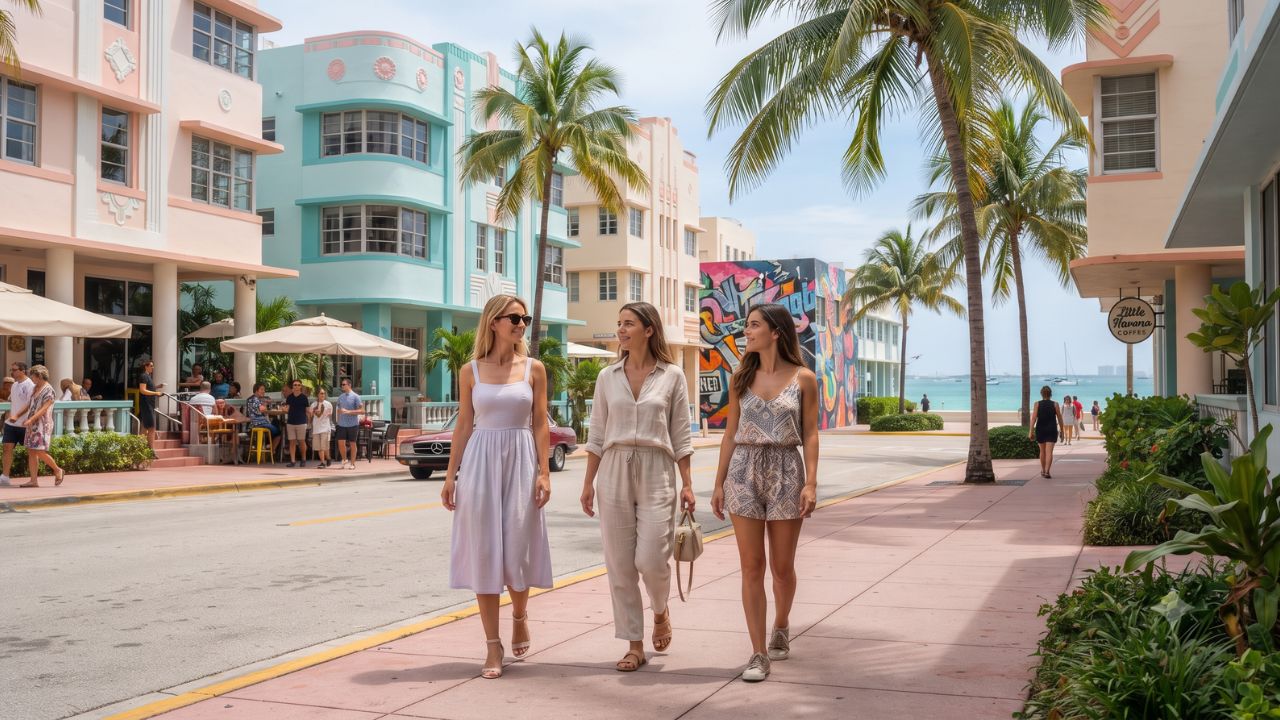
On the barrier island of Miami Beach, the Art Deco Historic District encompasses hundreds of designated heritage structures built between 1923 and 1943. Stretching along Ocean Drive, Collins Avenue, and Washington Avenue, these boutique hotels and apartment buildings feature signature geometric bas-reliefs, curved nautical corners, porthole windows, and terrazzo flooring, separated from the open Atlantic surf by the green canopy of Lummus Park.
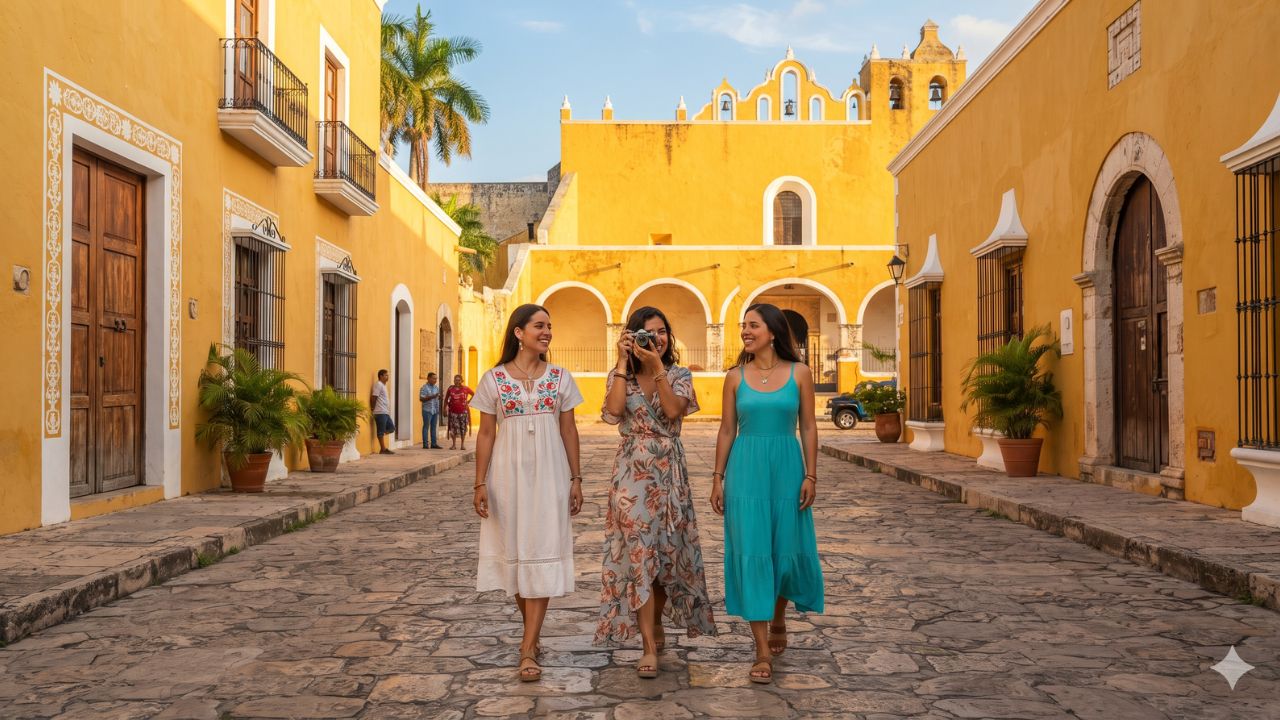
Across the bay on the mainland, Southwest Eighth Street—universally known as Calle Ocho—serves as the beating heart of Little Havana. Here, the aroma of dark roast espresso (cafecito) pours from sidewalk service windows (ventanitas), while generations of Cuban-American elders gather daily under the shade of Máximo Gómez Park (Domino Park) for competitive matches of double-nine dominoes.
To the north, the industrial warehouse grid of Wynwood has transformed into one of the globe's largest open-air street art museums, where monumental exterior murals rotate annually. Further south along the bay, Coconut Grove retains its original late nineteenth-century bohemian village identity, anchored by lush banyan canopies, sailboat moorings, and the historic hardwood hammock preserved at The Barnacle Historic State Park under Florida State Parks.
Neighborhood Profiles, Historic Sites, and Wilderness Dimensions
Planning a multi-day Miami exploration requires matching individual travel interests with specific districts, operating schedules, and transit connections. The table below outlines the core specifications, primary cultural highlights, and practical visitor guidance across South Florida's key destinations:
| District / Attraction | Primary Focus & Heritage Era | Key Architectural / Environmental Feature | Practical Traveler Guidance |
|---|---|---|---|
| South Beach Art Deco District | 1920s–1940s Nautical Modernism | Over 800 designated historic pastel buildings | Best explored on early morning walking tours |
| Little Havana (Calle Ocho) | Cuban-American cultural heartland | Domino Park, historic cigar shops, live salsa | Order coffee at walk-up ventanitas with exact cash |
| Wynwood Art District | Contemporary open-air visual arts | Massive street murals and gallery spaces | Visit on weekday mornings to avoid photo crowds |
| Coconut Grove & The Barnacle | 1891 pioneer coastal settlement | Ralph Middleton Munroe home on Biscayne Bay | Shaded park walking trails with historic boathouse |
| Vizcaya Museum and Gardens | Early 20th-century Italianate estate | 1916 winter home of industrialist James Deering | Requires timed digital entry tickets booked online |
| Biscayne National Park | ~173,000 acres protected waters | 95% underwater; coral reefs and mangrove keys | Access via Dante Fascell Visitor Center at Homestead |
| Everglades National Park | ~1.5 million acres subtropical marsh | Freshwater sawgrass sloughs and wildlife habitats | Enter via Shark Valley or Ernest F. Coe gateways |
| Downtown & Brickell | Financial core & waterfront parks | Bayfront Park and skyscraper skyline | Ride the automated Metromover transit loop for free |
What Makes Miami's Wilderness and Heritage Unique
Beyond its modern skyline and international design fairs, Miami occupies an extraordinary geographic position as the only major metropolitan area in the United States bordered by two separate national parks.
To the west, Everglades National Park protects approximately 1.5 million acres of internationally recognized wetland wilderness. This vast slow-moving river of grass provides critical habitat for American alligators, endangered American crocodiles, West Indian manatees, and hundreds of species of wading birds. Visitors cycling the 15-mile paved loop at Shark Valley or paddling the mangrove channels of Flamingo experience an ancient primeval world just 45 minutes from downtown skyscrapers.
To the south and east, Biscayne National Park protects roughly 173,000 acres of coastal waters, shallow estuaries, and the northernmost tract of the Florida Reef Tract. Because over 95% of the park is submerged, exploring its waters requires boarding eco-tour boats, kayaks, or snorkel charters to discover offshore shipwrecks along the Maritime Heritage Trail and uninhabited keys fringed with red mangroves.
On the urban mainland, the Vizcaya Museum and Gardens presents a remarkable architectural contrast. Constructed between 1914 and 1922 as the subtropical winter retreat for agricultural industrialist James Deering, the estate pairs Italian Renaissance villa architecture with formal parterre gardens, European decorative antiques, and native hardwood forest along the shores of Coconut Grove.
Visitor Insider Tips
Navigating Miami like a seasoned local involves timing your movements around subtropical weather cycles, utilizing transit shortcuts, and observing regional dining customs:
- Order Like a Local at Calle Ocho Ventanitas: When stopping at walk-up bakery windows in Little Havana, order a cortadito (sweetened espresso cut with steamed evaporated milk) alongside a warm guava and cheese pastry (pastelito de guayaba y queso). Stand by the counter to chat with neighborhood regulars rather than taking your coffee to go.
- Ride the Metromover to Skip Downtown Traffic: Downtown Miami and the Brickell financial district are connected by the Metromover—an electrically powered, fully automated elevated light rail system operated by Miami-Dade Transit that is completely free to ride. Use it to travel between Bayfront Park, Brickell City Centre, and the Miami River without paying expensive parking garage fees.
- Choose the Correct Everglades Entrance Gate: Everglades National Park has multiple distinct visitor centers that do not connect internally by vehicle. For wildlife viewing from an observation tower, enter via Shark Valley off Tamiami Trail (US-41). For kayaking through mangrove backcountry and coastal boat tours, head south to the Ernest F. Coe and Flamingo visitor centers near Homestead.
- Plan for the Atlantic Hurricane Season: The official hurricane season runs from June 1 through November 30, with peak convective thunderstorm activity occurring between July and September. Schedule outdoor beach walks and national park excursions for the early morning hours, reserving museum visits and indoor gallery walks for humid afternoons.
- Explore Art Deco Beyond Ocean Drive: While Ocean Drive captures most headlines, the residential side streets of Collins Avenue, Euclid Avenue, and Pennsylvania Avenue between 6th and 16th Streets feature exquisite examples of Art Deco garden apartments and Streamline Moderne architectural facades free from loud restaurant crowds.
Cultural and Environmental Context
Miami's unique position between delicate marine estuaries and expanding urban corridors makes sustainable travel practices essential. The fragile limestone aquifer and subtropical wetlands surrounding Greater Miami are vulnerable to urban development pressures, sea-level rise, and non-native invasive species that threaten indigenous wildlife across the Everglades watershed.
Responsible travelers can actively contribute to local conservation efforts by booking boat tours with certified eco-operators that follow strict no-wake regulations around manatee feeding zones and use reef-safe mineral sunscreen when swimming along the Florida Reef Tract. Furthermore, supporting local heritage institutions—such as the Black Police Precinct and Courthouse Museum in Historic Overtown, family-owned cigar factories on Calle Ocho, and local artist studios in Little Haiti—helps ensure that tourism dollars directly sustain long-standing residential communities and historical preservation programs.
FAQ: Visiting Miami 2026
What is the best time of year to visit Miami for comfortable weather?
December through April offers the most pleasant conditions, with daily temperatures averaging 24 to 27 degrees Celsius, low humidity, minimal rainfall, and zero tropical storm activity.
How do I explore Downtown Miami without renting a car?
Utilize the free Miami-Dade Transit Metromover system, which operates automated elevated trains connecting Downtown, the Biscayne Bay waterfront, and Brickell shopping districts.
Can I visit both Everglades and Biscayne National Parks in one day?
While physically possible from base hubs like Homestead, spending a full dedicated day at each park is recommended to accommodate boat charters at Biscayne and guided tram or bike tours at Shark Valley.
What is the admission fee structure for Vizcaya Museum and Gardens?
General adult admission is approximately $25 USD, with discounted rates available for children and seniors. Tickets must be reserved online in advance for a specific timed entry slot.
From the timeless rhythm of domino tiles under the palms of Little Havana to the silent mangrove channels of the Everglades, Miami reveals its true magic to those who look beyond the postcard.
Related Travel Guides
This article is for informational purposes. Flight routes, passenger regulations, visa rules, and transit advisories are subject to change by airlines and aviation authorities. Readers are advised to verify schedules and travel documentation with relevant carriers and border agencies before departure.
Related Stories
Miami Tourism Surges as 3.2 Million International Visitors Drive Record Hotel Rates in 2026

California Tourism 2027 Playbook: Super Bowl LXI, Pebble Beach U.S. Open, and Ahwahnee Centenary