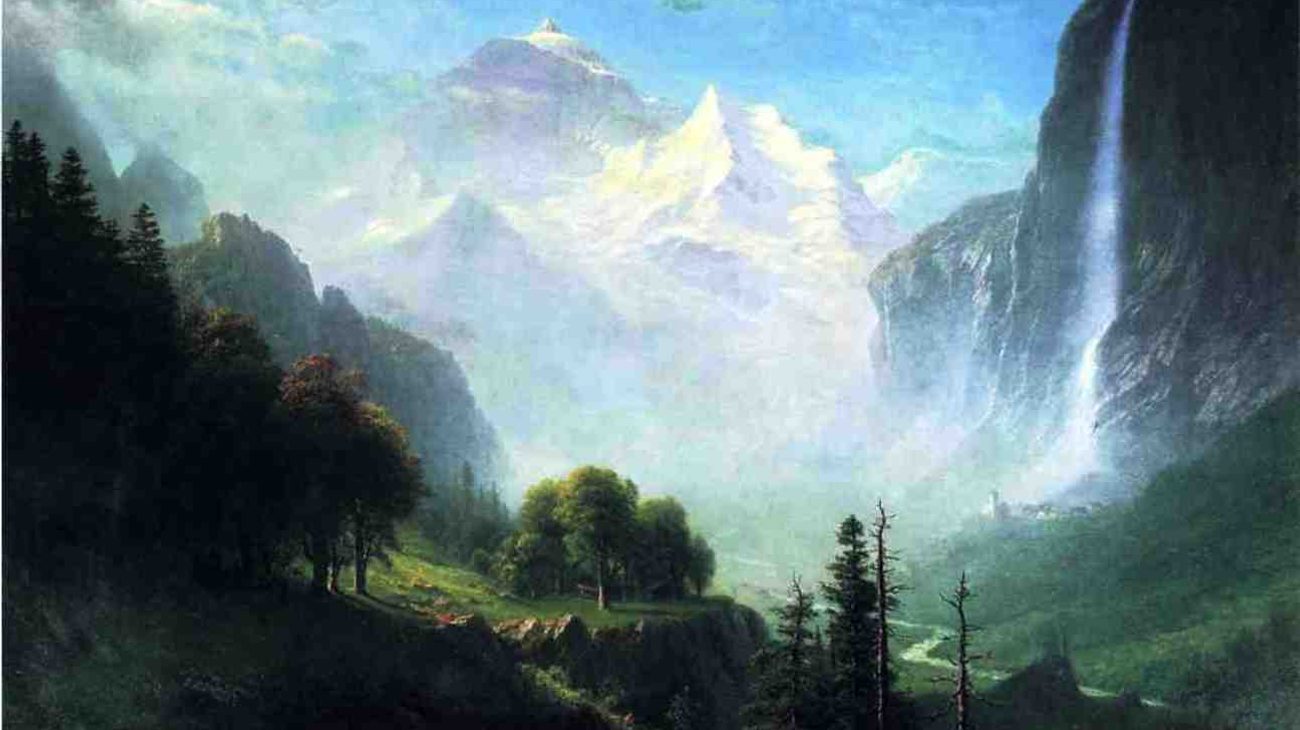
15 Beautiful Places in Peru Beyond Machu Picchu That Travelers Recommend

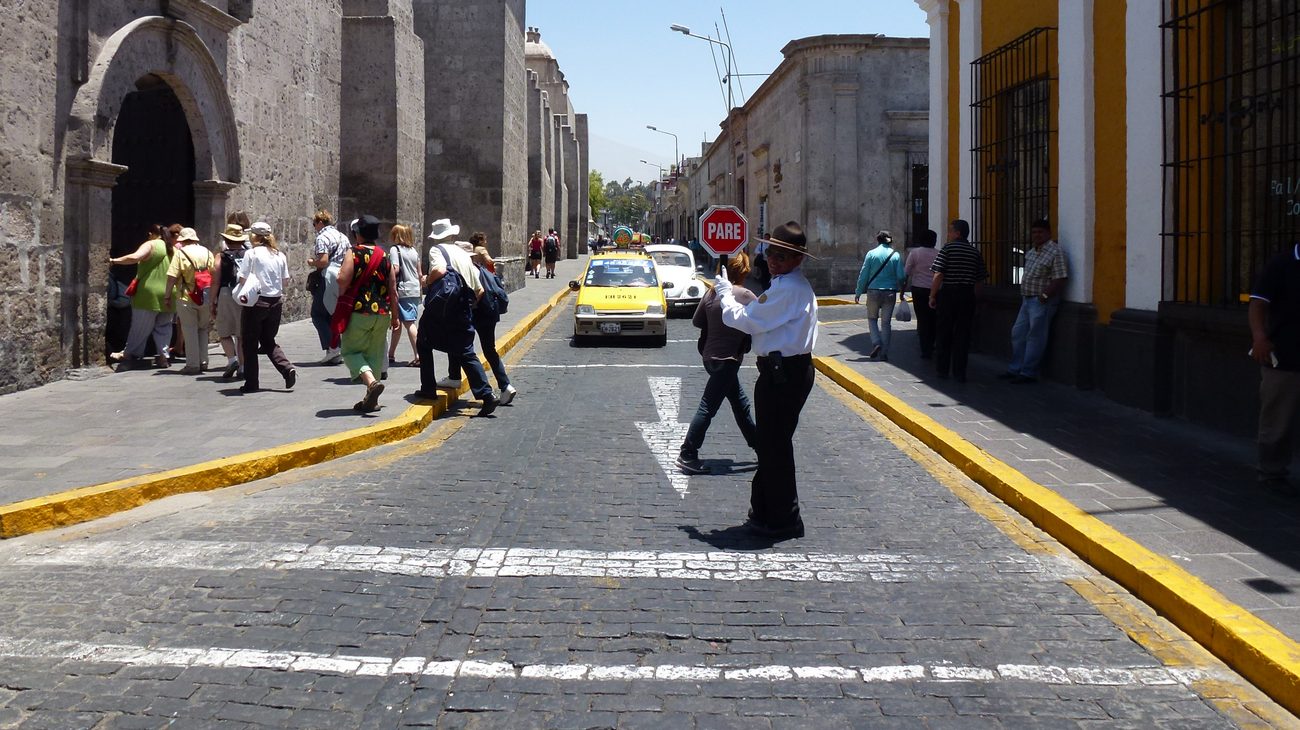
The vibrant colonial courtyards of Santa Catalina Monastery framed by volcanic sillar in Arequipa.
Machu Picchu is undoubtedly one of humanity's greatest archaeological masterpieces. Standing above the misty terraces of the Sun Gate at dawn as morning light washes over the Huayna Picchu peak is an experience that belongs on any global traveler's journey. But in recent years, strict reservation quotas, rigid train schedules, and surging crowds have transformed the Inca citadel into a tightly choreographed logistical sprint.
Peru is so much larger, wilder, and more culturally diverse than a single archaeological park. The moment I caught the morning coach from Cusco down toward the southern desert canyons, the staggering breadth of Peru became real. I remember sitting on the rooftop terrace of a 17th-century courtyard in Arequipa at dusk: the entire cathedral was sculpted from white volcanic sillar stone that glowed like alabaster beneath the purple silhouette of El Misti volcano. Over on r/PeruTravel, experienced adventurers constantly urge travelers: leave time to explore the rest of Peru. Here are fifteen breathtaking destinations beyond Machu Picchu that will leave you spellbound.
1. Arequipa: The "White City" and Volcano Sanctuary
Surrounded by three snow-dusted volcanoes—Misti, Chachani, and Pichu Pichu—Arequipa is Peru’s second city and arguably its most architecturally stunning.
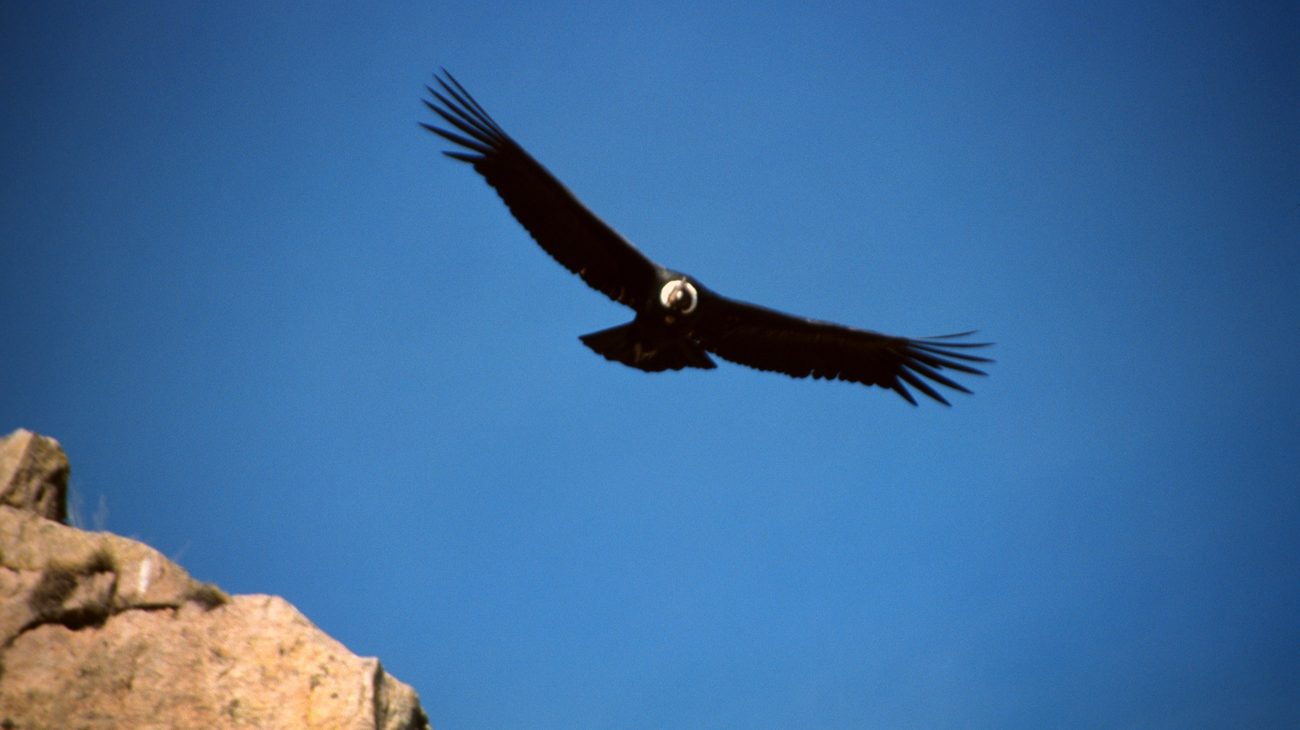 A giant Andean condor soaring on thermal winds above the colossal abyss of Colca Canyon.
Almost the entire historic UNESCO center is constructed from sillar—a pearlescent white volcanic ignimbrite quarried from local eruptions. The crown jewel of the city is the Santa Catalina Monastery: a 20,000-square-meter city within a city, where cloistered nuns lived for centuries amidst a labyrinth of cobalt-blue and terracotta-walled courtyards, secret gardens, and stone fountains. Arequipa is also Peru’s culinary powerhouse; don't leave without dining at a traditional picantería to taste Rocoto Relleno (spicy stuffed chili pepper) and Chupe de Camarones (rich river shrimp chowder).
2. Colca Canyon: Realm of the Andean Condor
Twice as deep as the Grand Canyon, the Colca Canyon plunges over 3,270 meters (10,725 feet) from mountain ridge to roaring river floor.
The highlight of any visit is Cruz del Cóndor at 8:00 AM. As the morning sun warms the canyon walls, massive Andean condors—with wingspans exceeding ten feet—catch the rising thermal updrafts, soaring mere feet above the heads of silent onlookers. Along the valley floor, pre-Inca stepped agricultural terraces still support quinoa and maize crops tended by indigenous Collagua and Cabana communities wearing embroidered traditional costumes.
3. Lake Titicaca & Taquile Island: Sacred Waters of the Sun
Perched at a breathless 3,812 meters (12,500 feet) above sea level, Lake Titicaca is the highest navigable body of water in the world and the legendary birthplace of the Inca Empire.
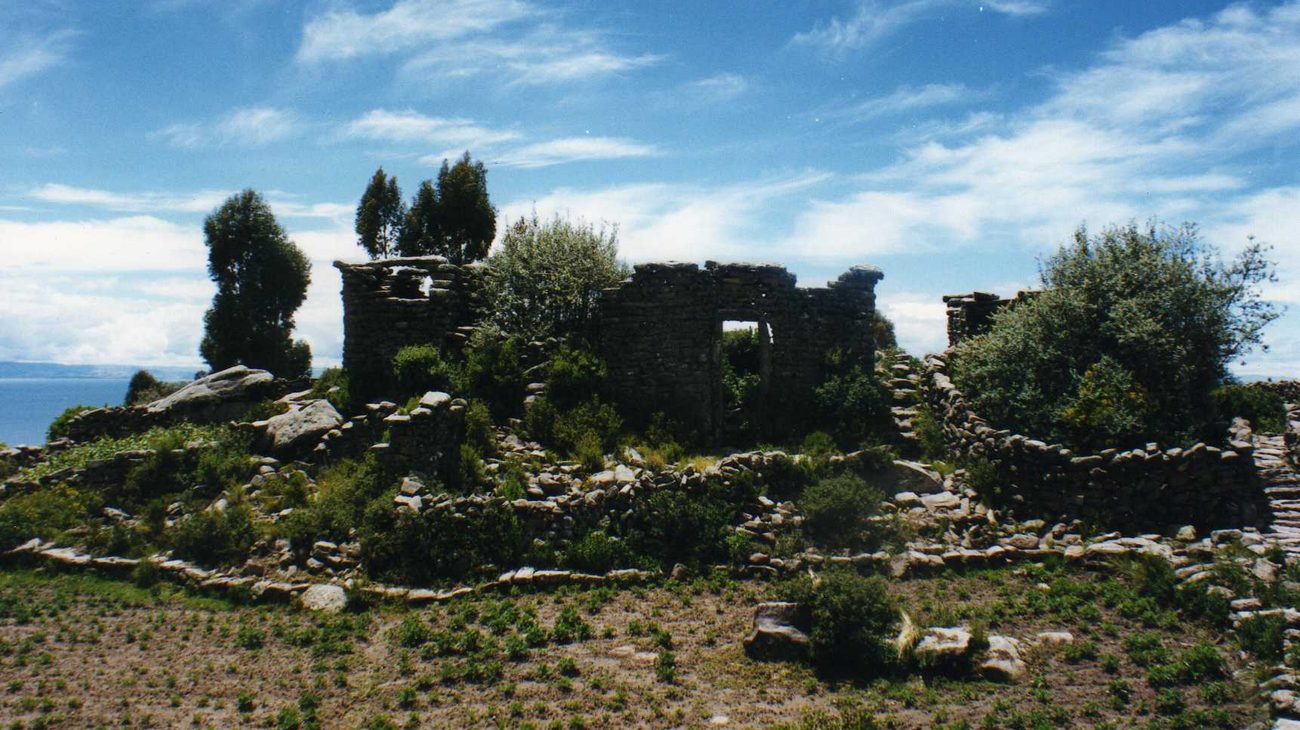 The sapphire waters of Lake Titicaca viewed from the stone arches of Taquile Island.
While the floating reed islands of Uros are popular, take the boat further out to Taquile Island. Here, the indigenous Quechua community has preserved ancient textile traditions where men—not women—hand-knit intricate woolen caps (chullos) whose patterns signal their marital and social status. With no electricity, no motor vehicles, and night skies lit by millions of stars reflected on sapphire waters, it is a place of profound peace.
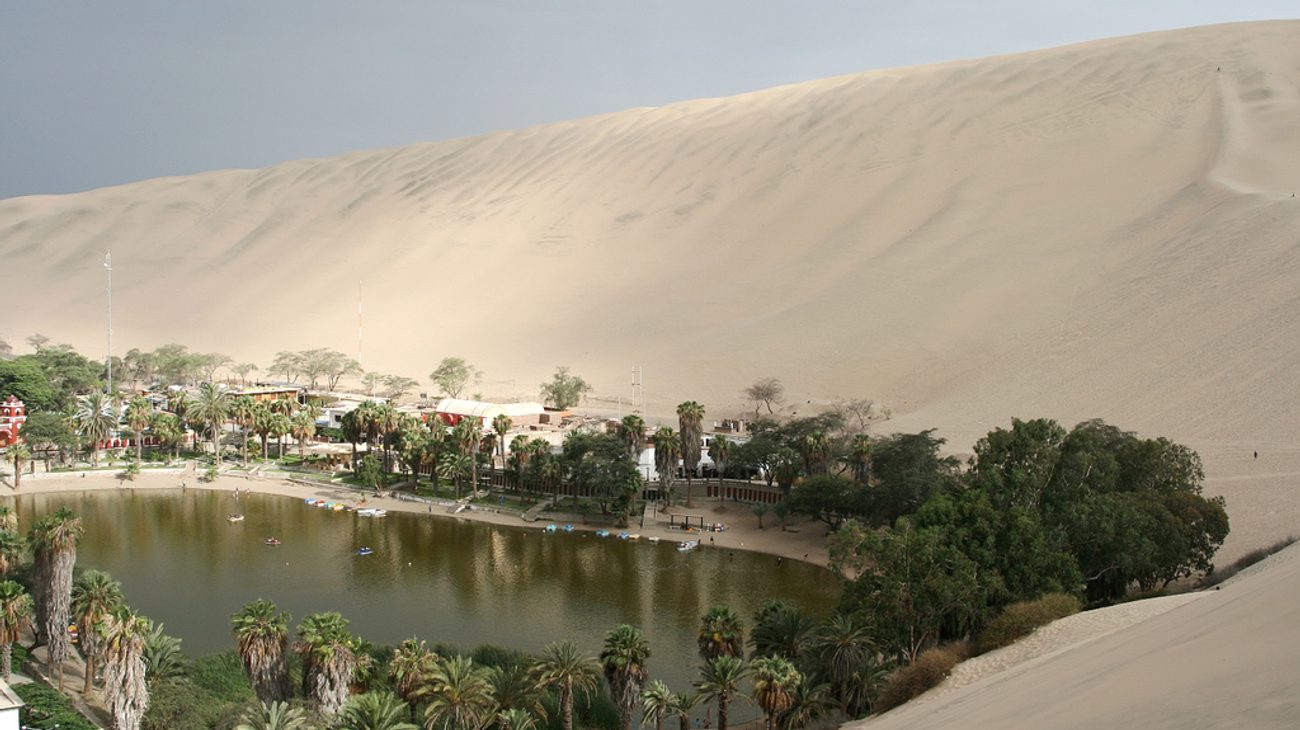 The surreal emerald lagoon and towering sand dunes of the Huacachina desert oasis.
4. Huacachina & Paracas: Desert Oasis and Pacific Marine Life
Just four hours south of Lima in the coastal desert, Huacachina is a surreal natural desert oasis centered on a green lagoon ringed by palm trees and towering golden sand dunes that rise hundreds of feet into the air.
Adrenaline junkies take high-speed 4x4 dune buggy rides across the desert rollercoaster and sandboard down massive dune faces. Just 45 minutes west lies the Paracas National Reserve and the Ballestas Islands—often dubbed "The Poor Man's Galapagos"—where speedboats take you to rocky sea arches teeming with hundreds of thousands of sea lions, Humboldt penguins, and Peruvian boobies.
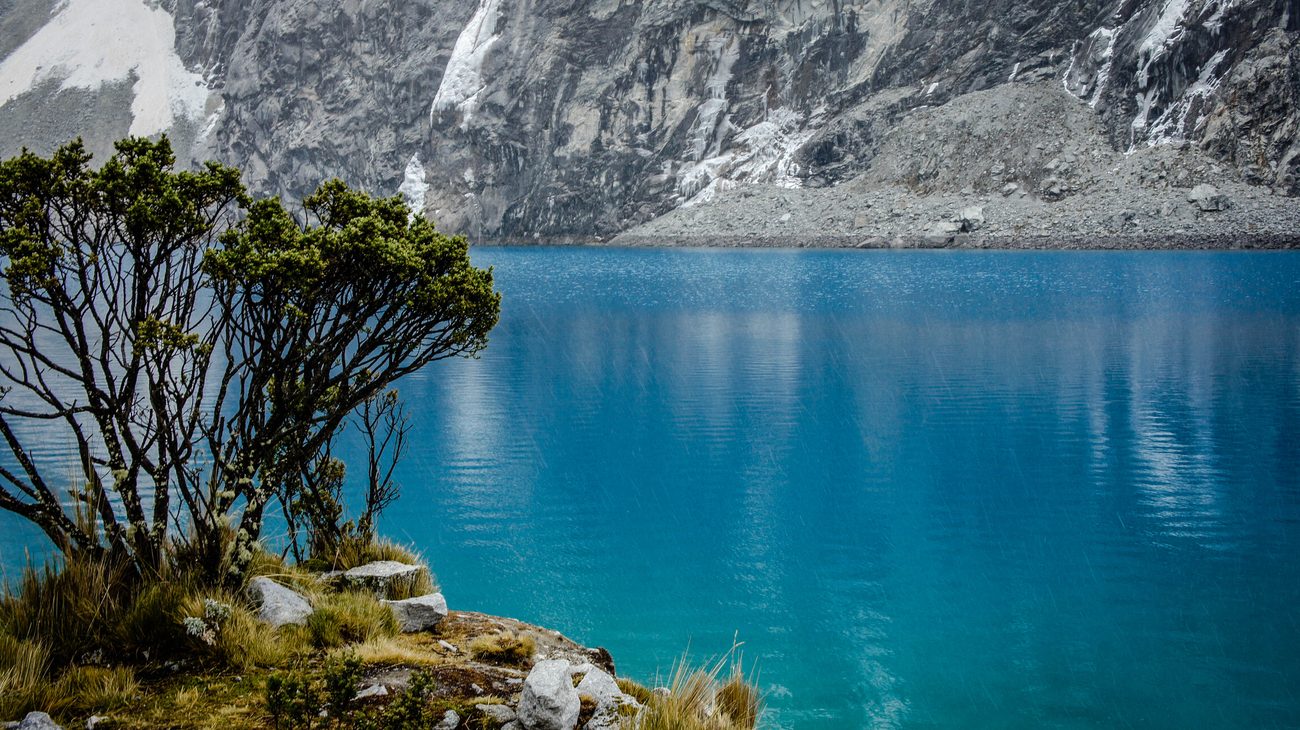 The incandescent turquoise waters of Laguna 69 beneath the hanging glaciers of the Cordillera Blanca.
5. Huaraz & Cordillera Blanca: Alpine Trekking Capital
If you love trekking and high alpine landscapes, Huaraz is your promised land. Nestled between the Cordillera Negra and the snow-capped Cordillera Blanca—the highest tropical mountain range in the world—Huaraz offers dozens of world-class hikes.
The most famous day hike leads to Laguna 69: a glacial lake sitting at 4,600 meters whose water is an impossible, electric neon-turquoise, fed by thundering icefalls from the hanging glaciers of Chacraraju. For multi-day trekkers, the 4-day Santa Cruz trek and the challenging 8-day Huayhuash Circuit are ranked among the top mountain routes on the planet.
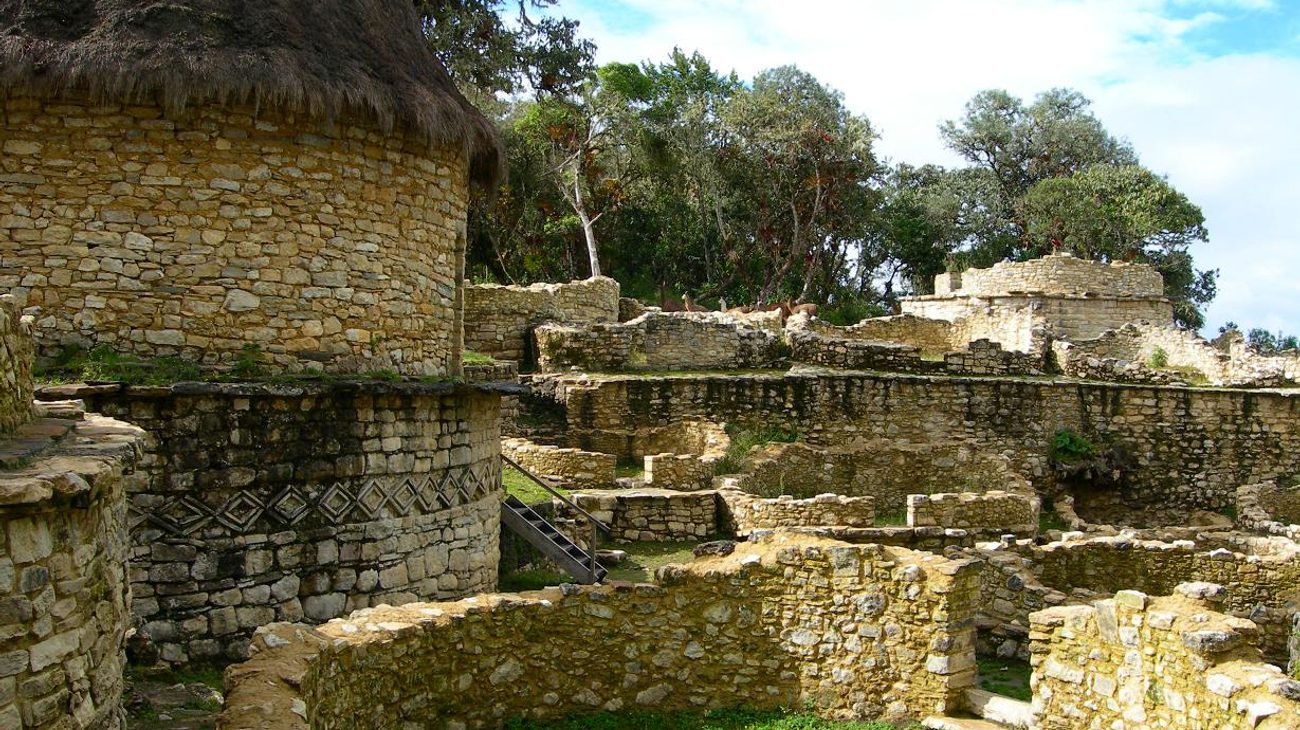 Ancient circular stone structures of the Chachapoyas warriors at Kuélap fortress.
6. Kuélap & Chachapoyas: The Fortress of the Cloud Warriors
Located high in the cloud forests of northern Peru, Kuélap was the monumental walled fortress of the Chachapoyas civilization—the "Warriors of the Clouds"—built centuries before the Inca Empire.
Perched atop a limestone ridge at 3,000 meters, Kuélap is encircled by colossal stone walls rising up to 20 meters high, containing over 400 circular stone dwellings adorned with geometric zigzag friezes. Reached via a modern cable car system that glides across a 1,000-meter canyon, Kuélap receives only a tiny fraction of Machu Picchu's visitor numbers, allowing you to explore its mist-shrouded ruins in near-total solitude.
7. Gocta Waterfall: The Two-Tiered Jungle Cataract
Also located in Amazonas province near Chachapoyas, Gocta is one of the tallest waterfalls in the world, plunging 771 meters (2,530 feet) in two colossal tiers. Known only to local villagers until it was documented by a German explorer in 2005, the 5-hour round-trip jungle trek through cloud forest leads to the base of the lower fall, where the deafening roar of water and drifting spray create a mesmerizing microclimate filled with hummingbirds and yellow-tailed woolly monkeys.
8. Iquitos & Pacaya Samiria: The Great Amazon Basin
Accessible only by boat or airplane, Iquitos is the largest city in the world that cannot be reached by road. It serves as the launchpad for journeys into the Pacaya Samiria National Reserve—a 5-million-acre "jungle of mirrors" where black-water flooded forests reflect the sky with mirror clarity. Board an eco-lodge expedition to fish for piranhas, spot pink river dolphins playing at the confluence of the Marañón and Ucayali rivers, and take night walks to observe caimans and tarantulas.
9. The Sacred Valley Beyond the Rails: Maras & Moray
Many travelers rush through the Sacred Valley on the train directly to Aguas Calientes. But spending two days based in Ollantaytambo or Urubamba reveals incredible wonders:
- The Maras Salt Mines (Salineras): Over 3,000 terraced evaporation ponds sculpted into a canyon wall, fed by a subterranean hypersaline spring that has produced mountain pink salt since pre-Inca times.
- Moray: Colossal concentric circular agricultural terraces descending into the earth, where microclimatic temperature differences of up to 15°C (27°F) between top and bottom served as an ancient Inca crop hybridization laboratory.
10. Palccoyo: The Peaceful Alternative to Rainbow Mountain
While the famous Vinicunca Rainbow Mountain now sees over 1,500 visitors per day scrambling up steep slopes at 5,200 meters, Palccoyo offers a far more rewarding alternative. Located three hours southeast of Cusco, Palccoyo features three distinct rainbow-striped mineral mountains, a natural stone forest (bosque de piedras), and a gentle 45-minute ridgeline walk with virtually zero crowds.
11. Cotahuasi Canyon: The World's Deepest Chasm
Even deeper and more remote than Colca, Cotahuasi Canyon drops an astonishing 3,354 meters (11,000 feet). Accessible by a rugged 9-hour bus ride from Arequipa, it is home to hanging rope bridges, thermal springs, and Sipia Waterfall—a 150-meter cataract plunging into a narrow stone fissure.
12. Trujillo & Chan Chan: Adobe Metropolis of the Chimú
Located on the northern Pacific coast, Trujillo is the gateway to Chan Chan, the largest adobe city on Earth and the capital of the ancient Chimú Kingdom. Explore the intricately carved clay walls of the Nik An palace complex, then watch local fishermen ride the Pacific waves on caballitos de totora—woven reed surfboards used for over 3,000 years in nearby Huanchaco.
13. Cajamarca: Imperial Thermal Baths and Baroque Plazas
Surrounded by rolling green Andean pastures, Cajamarca is the historic site where the Inca Empire effectively ended with the capture of Emperor Atahualpa by Francisco Pizarro in 1532. Visit the Cuarto del Rescate (Ransom Room), which the Inca filled once with gold and twice with silver to secure his freedom, and soak in the natural volcanic hot springs at the Baños del Inca.
14. Ayacucho: 33 Churches and Master Folk Art
Situated in the south-central highlands, Ayacucho is celebrated for its 33 colonial churches (one for each year of Jesus's life) and rich artisanal heritage. In the neighborhood of Santa Ana, master craftspeople construct traditional retablos—intricate wooden altar boxes with miniature hand-painted clay figurines depicting religious scenes and Andean history.
15. Nor Yauyos-Cochas & Huancaya: Turquoise Water Cascades
Located seven hours southeast of Lima in the central Andes, the Nor Yauyos-Cochas Landscape Reserve remains one of Peru's best-kept secrets. Here, the Cañete River tumbles through the village of Huancaya over dozens of natural travertine limestone terraces, forming a surreal staircase of crystal-clear turquoise pools, waterfalls, and emerald lagoons crossed by ancient stone pack-bridges.
Peru Travel Logistics Matrix
| Destination | Elevation | Best Season | Access | Highlights |
|---|---|---|---|---|
| Arequipa | 2,325 m | Apr – Nov (Sunny & dry) | Direct flight from Lima/Cusco | Sillar architecture, Santa Catalina |
| Colca Canyon | 3,600 m | May – Oct (Best condor flights) | 3.5 hrs bus from Arequipa | Andean condors, pre-Inca terraces |
| Lake Titicaca | 3,812 m | May – Oct (Clear blue skies) | Train or bus from Cusco | Taquile weavers, island homestays |
| Huacachina | 400 m | Year-round | 4 hrs bus from Lima | Dune buggies, sandboarding, Ballestas |
| Huaraz | 3,052 m | May – Sep (Dry Andean winter) | 8 hrs express bus from Lima | Laguna 69, Cordillera Blanca treks |
| Kuélap / Chachapoyas | 3,000 m | May – Oct | Flight to Jaén + bus | Pre-Inca cloud fortress & Gocta Falls |
This article is for informational purposes. Flight routes, passenger regulations, visa rules, and transit advisories are subject to change by airlines and aviation authorities. Readers are advised to verify schedules and travel documentation with relevant carriers and border agencies before departure.
Related Stories
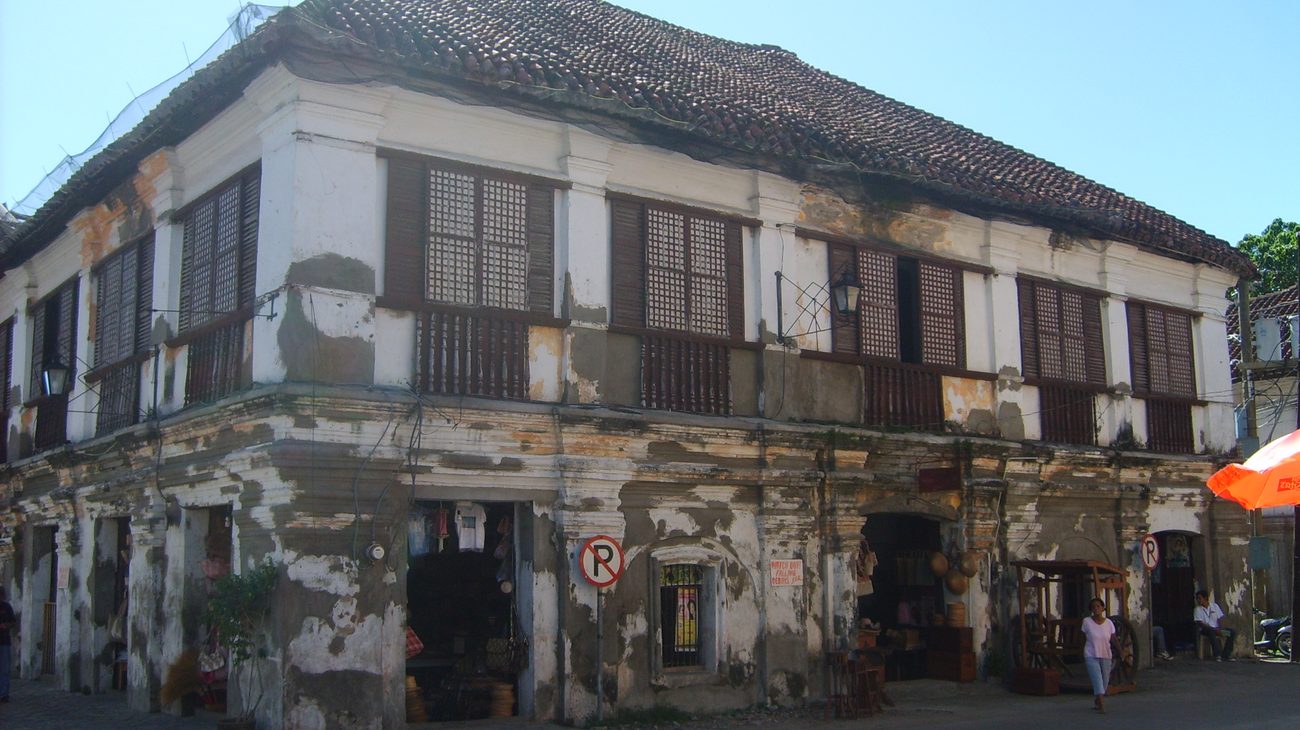
10 Underrated Cities in the Philippines That Deserve International Recognition
10 Underrated Cities in Colombia That Travelers Say Are Worth Exploring