Beyond the Beach Resorts: Exploring Mexico's Historic Pueblos of Izamal, Real de Catorce, and Tlacotalpan

While millions of vacationers stay confined to all-inclusive beach resorts in Cancún and Los Cabos, entering the high-desert ghost town of Real de Catorce requires rattling through a 2.3-kilometer single-lane tunnel chiseled by hand through the heart of an Andean-scale mountain ridge.
For travelers seeking Mexico's authentic cultural soul, the country's deepest treasures lie far from coastal pool bars. Spanning the tropical limestone plains of the Yucatán, the windswept Altiplano of San Luis Potosí, and the humid riverbanks of Veracruz, three historic settlements showcase the extraordinary diversity of Mexican architecture and spiritual heritage. Through SECTUR's Pueblos Mágicos program—first established in 2001 to celebrate communities with singular historical significance—and UNESCO World Heritage protection, destinations like Izamal, Real de Catorce, and Tlacotalpan invite travelers to step into centuries of living history.
Three Historic Epochs: The Golden City, the Silver Ghost, and the River Port
Each of these three heritage destinations represents a completely different chapter in the nation's architectural and geographic evolution:
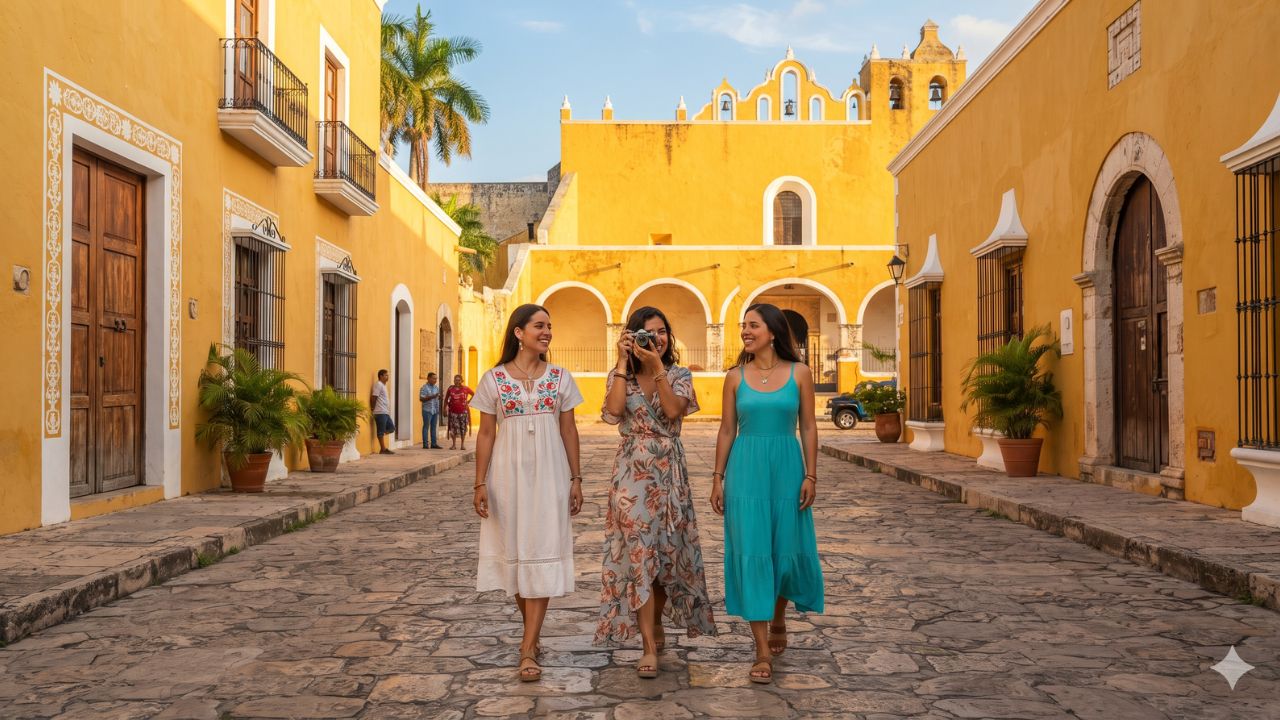
In Yucatán, situated roughly 70 kilometers east of Mérida, lies Izamal. Celebrated as the "City of Three Cultures," Izamal combines monumental pre-Columbian Mayan pyramids, Franciscan colonial architecture, and modern Maya civic life. Incorporated into the Pueblos Mágicos network in 2002, the town is visually unified by golden-yellow facades, ochre-washed arcades, and crisp white trim that catch the tropical sun across every cobblestone alley.
High in the northern state of San Luis Potosí, Real de Catorce offers a stark alpine desert contrast. Perched at nearly 2,750 meters in the Sierra de Catorce, this former eighteenth-century silver-mining boomtown emptied as mineral veins dried up, leaving a stone-carved mountain redoubt. Named a Pueblo Mágico in 2001, Real de Catorce is reached exclusively through the Ogarrio Tunnel, an extraordinary 2.3-kilometer roadway excavated through solid rock in the late nineteenth century.
In southern Veracruz, along the wide, slow-moving Papaloapan River, sits Tlacotalpan. Recognized by UNESCO in 1998, Tlacotalpan is an exceptional Caribbean-influenced Spanish colonial river port defined by wide colonnades, pastel-painted walls in turquoise and salmon pink, and sweeping terracotta-tiled roofs designed to endure tropical rainfall.
| Heritage Town | Mexican State & Geography | Cultural Recognition | Defining Landmark & Travel Highlight |
|---|---|---|---|
| Izamal | Yucatán (Tropical limestone plains) | Pueblo Mágico (Inscribed 2002) | San Antonio de Padua Convent & Kinich Kak Moo Pyramid |
| Real de Catorce | San Luis Potosí (High Altiplano desert) | Pueblo Mágico (Inscribed 2001) | 2.3 km Ogarrio Tunnel & Parroquia de la Purísima Concepción |
| Tlacotalpan | Veracruz (Lowland Papaloapan River) | UNESCO World Heritage (Inscribed 1998) | Colonnaded Historic Centre & Candelaria Festival |
Architectural Icons: Convents, Pyramids, and Porticoes
What makes these towns fascinating is how physical structures reflect indigenous adaptation and colonial encounters.
In Izamal, the former Convent of San Antonio de Padua stands atop the flattened stone platform of the ancient Mayan acropolis Pop-hol-Chac. Constructed by Franciscan friars using polished stones taken from dismantled Maya temples, the convent features an enclosed atrium spanning over 7,800 square meters—the second largest enclosed church courtyard in Christendom after St. Peter's Square in Rome. Just three blocks away rises the colossal Kinich Kak Moo pyramid, an enormous stone monument dedicated to the solar deity that ranks among the largest Mayan structures by volume in Mesoamerica.
In Real de Catorce, stepping out of the Ogarrio Tunnel reveals a cobblestone sanctuary where horse hooves echo off eighteenth-century stone walls. Travelers explore the Parroquia de la Purísima Concepción, revered for its miraculous image of St. Francis of Assisi, alongside the grand stone ruins of the former royal mint (Casa de Moneda). Outside town, stone ruins of silver processing plants called haciendas de beneficio cling to mountain ravines.
In Tlacotalpan, architecture reflects riverine commerce. Unlike the closed fortress-like stone houses of central Mexico, Tlacotalpan's houses feature wide covered walkways (portales) supported by classical arches. These colonnades provide continuous shelter from intense tropical downpours and humid sun, creating open-air social spaces where locals sit in rocking chairs watching boats glide past on the Papaloapan.
Visitor Insider Tips
- Entering Real de Catorce: Because the 2.3-kilometer Ogarrio Tunnel accommodates only single-lane traffic, vehicular entry alternates under traffic light control. On holiday weekends, waits at the tunnel gate can exceed 45 minutes. Leave your rental car in the paid parking lot at the eastern portal and ride a municipal open-air shuttle or walk through the cool, damp mountain shaft on foot.
- Wixárika (Huichol) Sacred Sites: The desert plateau surrounding Real de Catorce encompasses Wirikuta, the sacred ancestral land of the indigenous Wixárika people. Do not pick peyote cactus, photograph indigenous spiritual ceremonies, or leave trash on the sacred Cerro Quemado mountain summit. Hire certified local guides who maintain direct agreements with Wixárika elders.
- Yucatecan Cuisine in Izamal: Skip hotel restaurants and book lunch at Kinich, an open-air thatch-roofed institution where traditional Maya cooks hand-pat fresh corn tortillas over wood comales. Order authentic cochinita pibil slow-roasted in an underground earthen pit (pib), accompanied by panuchos topped with shredded turkey and pickled red onions.
- Veracruz River Rhythm in Tlacotalpan: Time your journey for the annual Fiesta de la Candelaria from 31 January to 9 February, when the town fills with traditional son jarocho string musicians, wooden dancing platforms (tarimas), and a grand flotilla carrying the Virgin Mary across the Papaloapan River. During the rest of the year, stay at boutique riverside mansions along Calle Cayetano Rodríguez Beltrán.
- Official Regional Travel Portals: Discover bus routes, artisan workshops, and seasonal itineraries through the official Yucatán Travel Portal.
Cultural and Environmental Context
Each destination balances tourism growth against acute environmental and cultural preservation challenges.
In Tlacotalpan, low elevation along the Papaloapan River basin makes the historic town vulnerable to severe seasonal flooding when tropical weather systems stall over the Gulf of Mexico. Municipal restoration initiatives require homeowners to paint facades using traditional lime-based mineral washes rather than synthetic acrylics, preserving the breathable lime plaster beneath.
In Izamal, modern Maya identity remains vibrant. Unlike archaeological ruins that function purely as open-air museums, Izamal is an active community where the Yucatec Maya language is spoken in daily market transactions and municipal offices. In Real de Catorce, community water conservation is paramount in the arid high desert; travelers should conserve bathroom water in historic boutique hotels that depend on ancient mountain springs. Supporting local leather crafters, silver artisans, and regional comedores ensures tourism revenue remains directly within these historic communities.
FAQ: Visiting Historic Mexican Towns 2026
Where is Izamal located, and how do I get there?
Izamal is in Yucatán, roughly 70 kilometers east of Mérida. It is easily reached via a one-hour drive by car, ADO bus, or colectivo from Mérida's historic center.
What is the Ogarrio Tunnel in Real de Catorce?
The Ogarrio Tunnel is a 2.3-kilometer single-lane passage drilled through solid mountain rock in the nineteenth century that serves as the only vehicular gateway into Real de Catorce.
Why is Tlacotalpan a UNESCO World Heritage Site?
Inscribed in 1998, Tlacotalpan's historic core preserves an urban plan characterized by wide colonnades, colorful porticoes, and Caribbean-influenced architecture along the Papaloapan River.
Can I visit all three towns on a single short trip?
No. Izamal is in the southeastern Yucatán Peninsula, Real de Catorce is in the northern Altiplano of San Luis Potosí, and Tlacotalpan is in tropical southern Veracruz. Plan them as separate regional journeys.
Related Travel Guides
- Northern California Tremor Near The Geysers: Wine Travel and Safety Guide
- Global Luxury Car Rental Market Surges Toward $52 Billion by 2030
- Thanksgiving Storm Alert 2026: Heavy Mountain Snow and Route Disruptions
By venturing past coastal sandbars into Mexico's historic heartlands, travelers experience a nation of living indigenous cultures, sacred peaks, and timeless architecture.
This article is for informational purposes. Flight routes, passenger regulations, visa rules, and transit advisories are subject to change by airlines and aviation authorities. Readers are advised to verify schedules and travel documentation with relevant carriers and border agencies before departure.
Related Stories

Cozumel Welcomes Direct Europe Flights: Neos Milan Route, Reef Conservation, and Island Travel Guide
Jamaica's Public Beach Transformation: 10-Beach Makeover, Negril and Ocho Rios Escapes, and Local Coastal Guide