10 Underrated Cities in Morocco That Offer an Authentic North African Experience

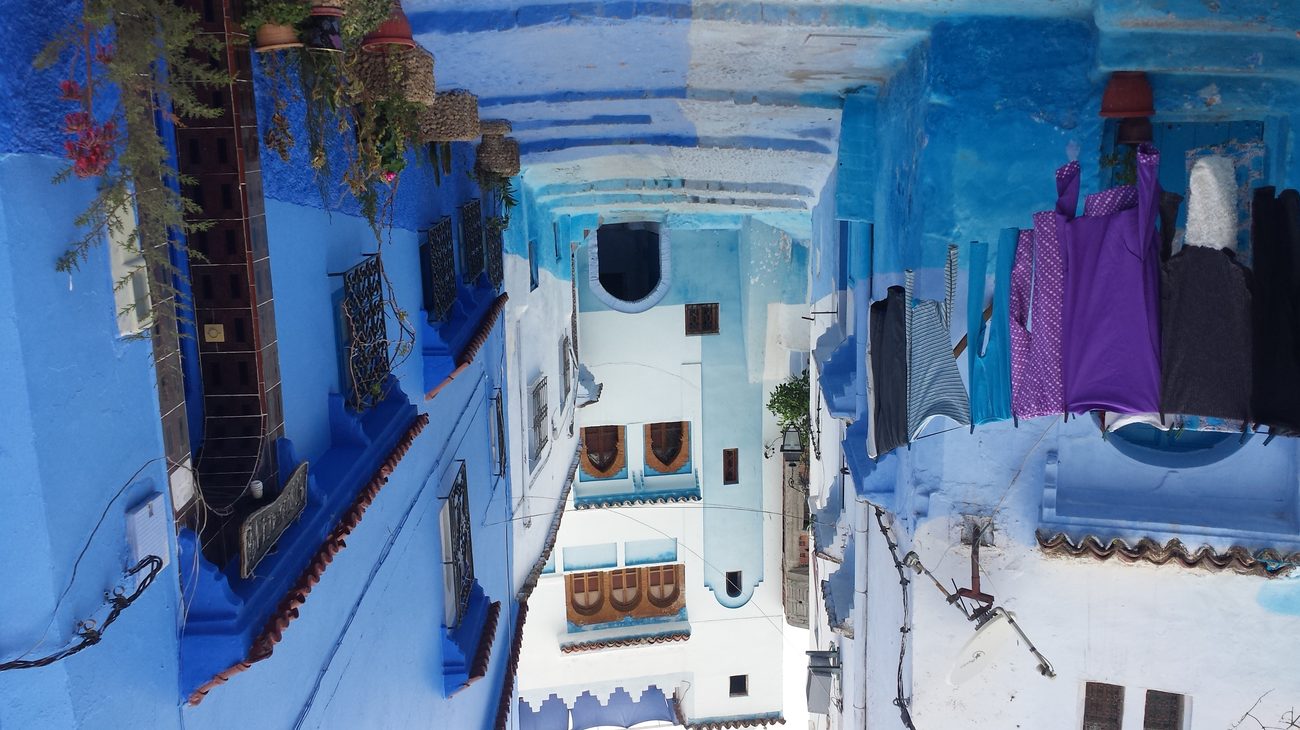
The mesmerizing cobalt-blue washed alleyways of Chefchaouen in the Rif Mountains.
The sensory assault of Marrakech is legendary: snake charmers piping in Jemaa el-Fnaa, mopeds buzzing dangerously through cramped alleyways, and the relentless chorus of touts coaxing you into carpet showrooms. While every traveler should experience it once, many leave Morocco feeling drained rather than inspired.
My entire perception of Morocco changed when I caught the early morning train north to the coast. Sitting on the 18th-century stone ramparts of Essaouira with Atlantic brine spraying against old Portuguese cannons, watching fishermen haul in shimmering nets of sardines under the watchful gaze of screaming seagulls, I found the Morocco I had dreamed of: gentle, hospitable, deeply historic, and profoundly authentic.
Across r/Morocco, locals consistently tell travelers: leave the tourist corridors of Marrakech and Fes to find genuine Moroccan warmth. Here are ten magnificent, underrated Moroccan cities where you can sip mint tea in peace, explore ancient medinas without harassment, and touch the living pulse of North Africa.
1. Chefchaouen: The Blue Pearl of the Rif Mountains
Tucked into the dramatic peaks of the Rif Mountains, Chefchaouen is world-famous for its medina painted almost entirely in varying shades of hypnotic blue—from sky cerulean to deep cobalt.
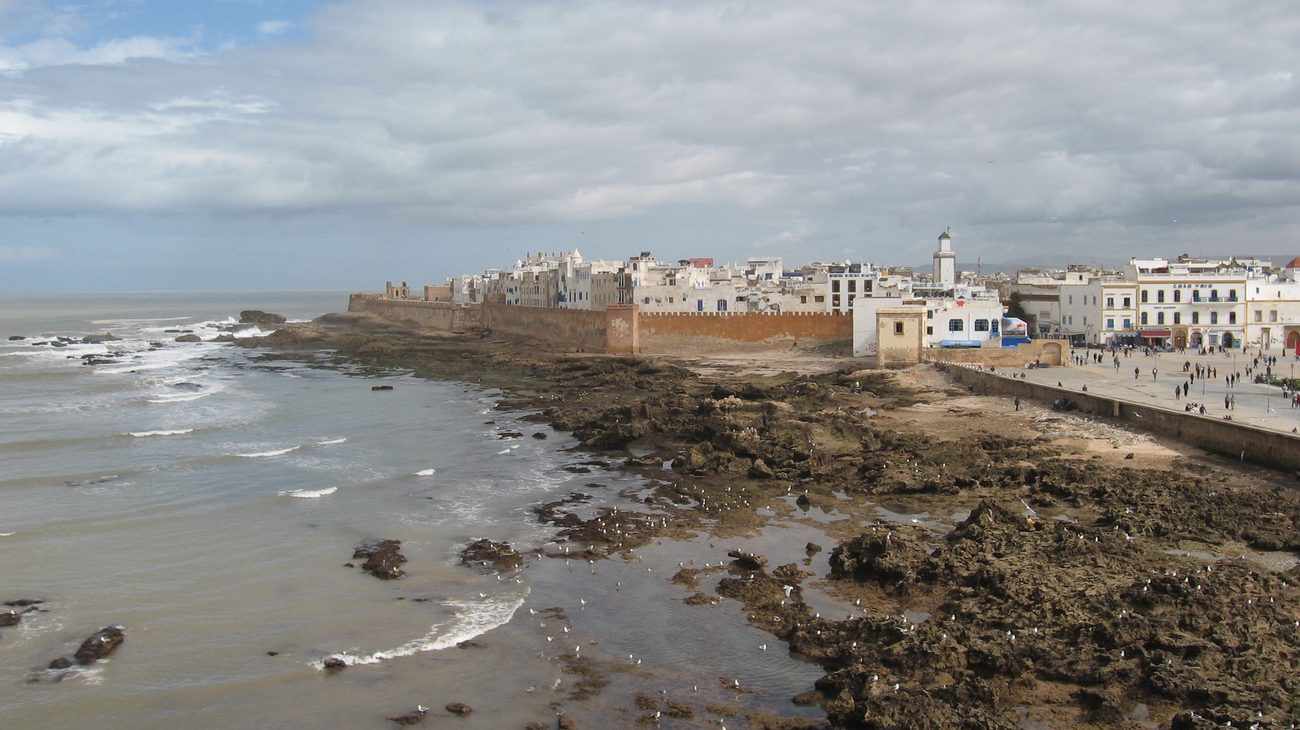 Historic stone ramparts and Atlantic fishing harbor of Essaouira.
Originally founded in 1471 as a fortress against Portuguese invasions, the blue color was popularized by Jewish refugees in the 1930s as a reminder of the heavens. Unlike the chaotic souks of larger cities, the atmosphere here is blissfully serene. Mornings are best spent hiking up to the Spanish Mosque for a panoramic view of the blue city nestled beneath the jagged horn-shaped peaks (which give the town its name, Chaouen), followed by a lunch of goat cheese and freshly baked flatbread.
2. Essaouira: Windswept Atlantic Fortress and Gnawa Soul
Known as the "Wind City of Africa," Essaouira is an Atlantic port city surrounded by 18th-century European-style stone ramparts (Skala de la Ville).
The medina here is wide, laid out on a grid by a French architect, making it a joy to navigate on foot without fear of getting hopelessly lost. The salty ocean breeze keeps temperatures mild year-round. Spend your mornings wandering the harbor watching blue wooden boats unload their catch, pick out fresh sea bream or calamari to be grilled right before your eyes at the port stalls, and spend evenings listening to hypnotic Gnawa music in candlelit riad courtyards.
3. Meknes: The Grand, Relaxed Imperial City
Often overshadowed by its glitzy neighbor Fes (just 45 minutes away by train), Meknes was the imperial capital of Sultan Moulay Ismail in the 17th century.
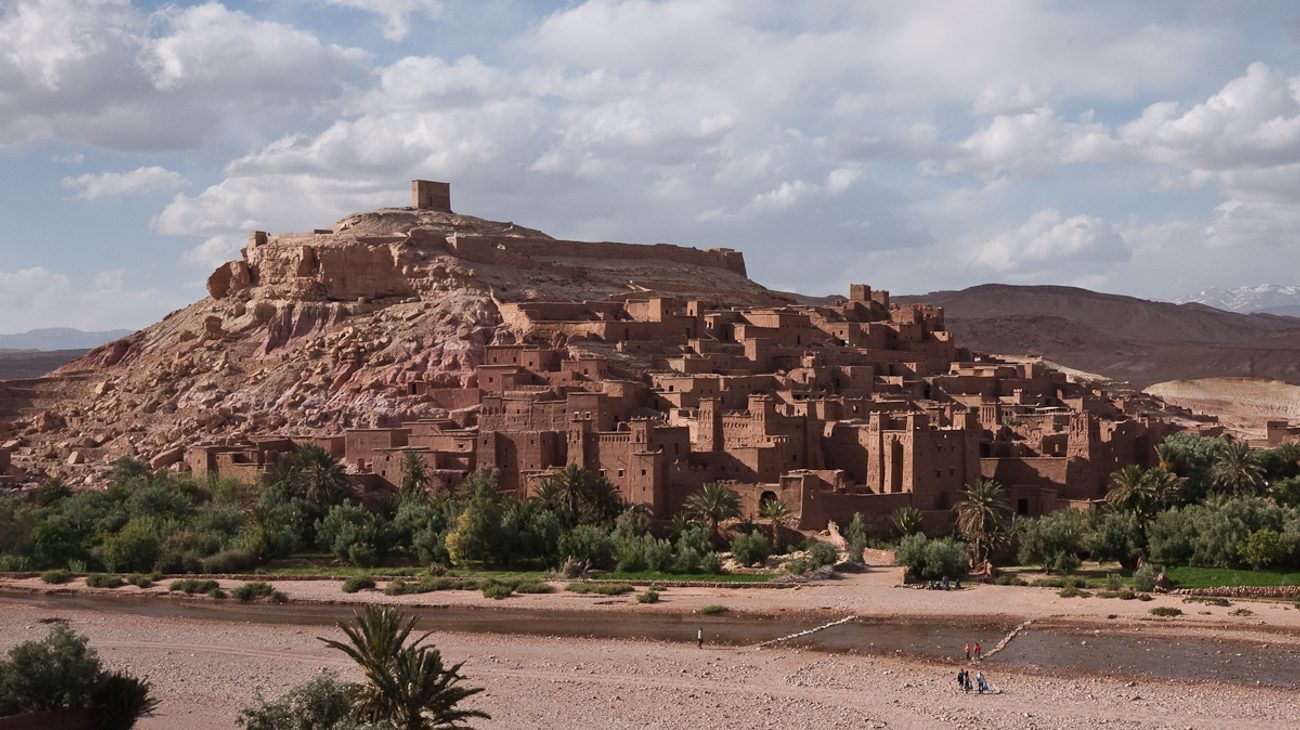 Ancient earthen clay kasbahs and fortified towers of Ait Benhaddou.
Meknes features monumental architecture on an epic scale, most notably the towering Bab Mansour—arguably the most grand and ornate city gate in North Africa, adorned with intricate zellij tilework and marble columns salvaged from nearby Roman ruins. Meknes also serves as the ideal springboard for visiting Volubilis, the best-preserved Roman archaeological site in Morocco, famous for its intact floor mosaics and triumphal arch standing amidst rolling olive groves.
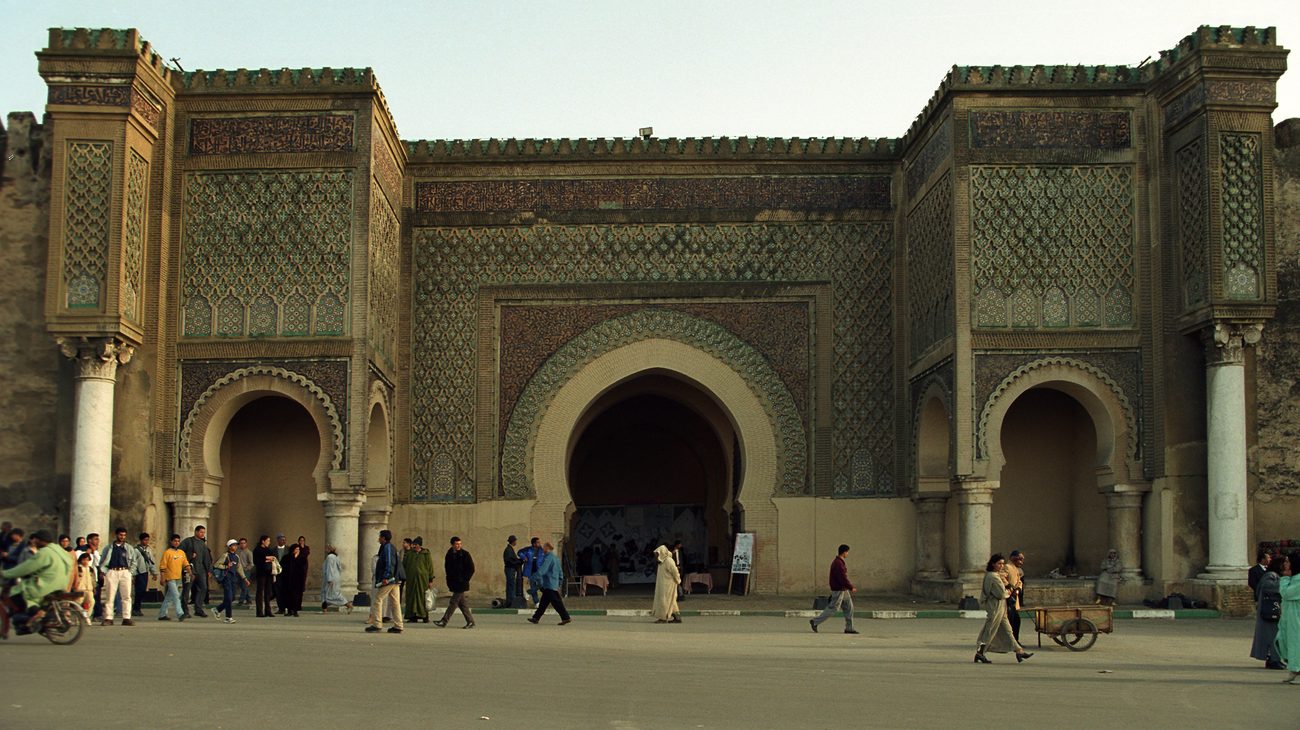 The towering zellij-tiled archways of Bab Mansour in Meknes.
4. Asilah: Atlantic Art and Whitewashed Peace
Just 45 minutes south of Tangier along the Atlantic coast, Asilah is an immaculate, whitewashed coastal town with a distinctly Iberian flair.
Surrounded by well-preserved 15th-century Portuguese battlements that drop straight into crashing ocean breakers, Asilah’s quiet medina is famous for its annual Cultural Moussem festival. Each year, international and Moroccan artists paint vibrant, large-scale murals on the whitewashed houses. With zero car traffic, pristine sandy beaches nearby, and fresh paella served at seaside cafes, it is the ultimate seaside detox.
 Whitewashed medina ramparts adorned with vibrant oceanfront art in Asilah.
5. Taroudant: The "Grandmother of Marrakech"
Located in the fertile Souss Valley between the High Atlas and Anti-Atlas mountains, Taroudant looks almost identical to Marrakech as it stood 200 years ago—before mass tourism arrived.
The entire town is encircled by over four miles of colossal, intact adobe mud ramparts glowing deep reddish-gold in the desert sun. Inside, the souks are unhurried, offering masterfully hammered Berber silver jewelry, argan oil pressed fresh from local groves, and intricately woven rugs without the aggressive hard-sell tactics common in the north.
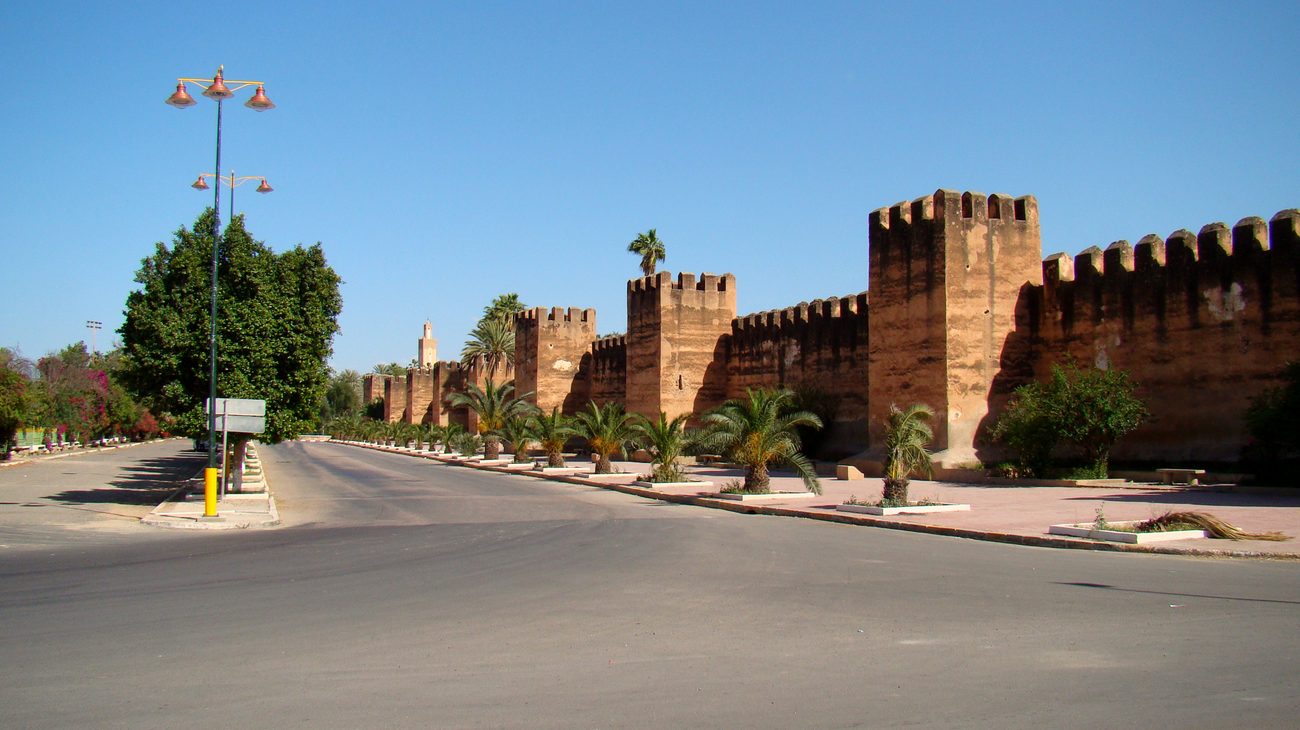 The dramatic mud-brick ramparts encircling the historic town of Taroudant.
6. Ouarzazate & Aït Benhaddou: The Gateway to the Sahara
Situated on the southern slopes of the High Atlas, Ouarzazate is Morocco’s cinematic capital. Just 30 minutes outside town stands Aït Benhaddou, a breathtaking UNESCO-protected ksar (fortified clay village) that has served as the filming backdrop for Gladiator, Lawrence of Arabia, and Game of Thrones.
Crossing the shallow river stones to explore the labyrinth of earthen kasbahs, watchtowers, and date palm groves at sunset—when the clay walls blaze like burning copper—is an unforgettable step into ancient trans-Saharan caravan history.
7. Tétouan: Andalusian Soul at the Foot of the Rif
Tétouan is uniquely distinct from other Moroccan imperial cities. Rebuilt in the late 15th century by Andalusian Moors and Sephardic Jews fleeing Spain, the architecture, wrought-iron balconies, and whitewashed townhouses are deeply Hispanic-Moorish.
Tétouan’s medina is a UNESCO World Heritage site and remains completely untouched by foreign tourist souvenir stalls. In its narrow alleys, carpenters, tanners, and weavers work entirely for local residents, providing the most authentic medina atmosphere remaining in Morocco.
8. Tangier: The Cosmopolitan Crossroads of Continents
Gazing across the narrow Strait of Gibraltar toward the Spanish coast, Tangier has long been an international melting pot. Once an "International Zone" that attracted bohemian writers, poets, and eccentric aristocrats, Tangier has undergone a sparkling modern renaissance.
Stroll through the Kasbah and visit the legendary Grand Socco, sip mint tea at Café Hafa—where the Rolling Stones and Paul Bowles once watched the sun sink into the Atlantic—and explore the Caves of Hercules where the ocean meets the Mediterranean.
9. Ifrane: The "Little Switzerland" of the Middle Atlas
Perched at 1,665 meters in the Middle Atlas mountains, Ifrane will leave you rubbing your eyes in disbelief. Built by the French in the 1930s, the town features alpine chalets with steeply pitched red-tile roofs, clean European-style parks, and snow-covered streets in winter. It is surrounded by ancient cedar forests inhabited by wild Barbary macaque monkeys.
10. Al Hoceima: Mediterranean Emerald Coves
Located on the Mediterranean coast of the Rif, Al Hoceima is celebrated for its sheer limestone cliffs dropping into crystal-clear turquoise bays. Largely unknown to foreign tourists, it is home to Al Hoceima National Park and tranquil beaches like Quemado Beach and Cala Bonita, offering some of the best seafood and scuba diving in North Africa.
Morocco Practical Travel Comparison Table
| City | Region | Transit From | Best Season | What Makes It Special |
|---|---|---|---|---|
| Chefchaouen | Rif Mountains | Bus from Fes/Tangier (3 hrs) | Mar – May / Sep – Nov | Cobalt-blue alleys, mountain hiking |
| Essaouira | Atlantic Coast | Bus from Marrakech (2.5 hrs) | Year-round (Summer cool) | Ramparts, seafood, Gnawa music |
| Meknes | Central Morocco | Train from Fes (45 min) | Oct – Apr | Bab Mansour, Roman Volubilis |
| Asilah | Northern Coast | Train from Tangier (45 min) | May – Oct | Oceanfront ramparts & art murals |
| Taroudant | Souss Valley | Bus from Agadir (1 hr) | Nov – Mar (Pleasant winter) | Intact mud walls, authentic Berber souks |
| Aït Benhaddou | High Atlas South | Grand taxi from Ouarzazate | Oct – Apr | Historic clay ksar, desert sunsets |
| Tétouan | Northern Rif | Bus from Tangier (1 hr) | Apr – Oct | Pure Andalusian architecture & medina |
This article is for informational purposes. Flight routes, passenger regulations, visa rules, and transit advisories are subject to change by airlines and aviation authorities. Readers are advised to verify schedules and travel documentation with relevant carriers and border agencies before departure.
Related Stories
10 Underrated Cities in the Philippines That Deserve International Recognition
15 Beautiful Places in Peru Beyond Machu Picchu That Travelers Recommend