FAA Nationwide Ground Stop Grounds Over 12,000 Flights: Cruise and Hotel Travel Disruption Guide

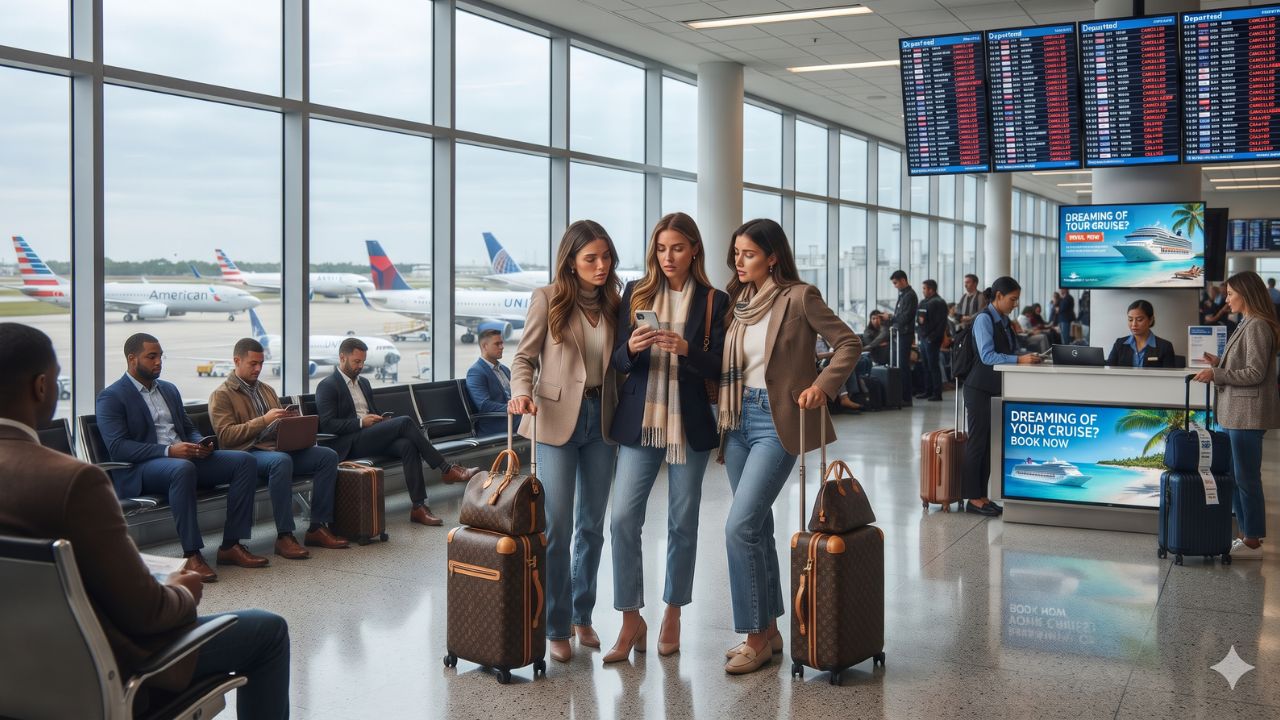
When a telecommunications failure triggered a nationwide ground stop on Friday, 13 November 2026, approximately 3,500 aircraft were already aloft in American airspace. The Federal Aviation Administration halted all domestic departures at approximately 3:30 pm Eastern Time after system instability cascaded across 17 of the nation's 22 Air Route Traffic Control Centres. While airborne planes touched down safely and operations resumed at 8:15 pm, the 4-hour-and-45-minute pause ignited a weekend of operational turbulence that produced 12,462 flight cancellations, including 9,082 among major carriers, upending tightly choreographed itineraries for cruise vacationers and hotel guests nationwide.
The disruption uncovered the deep vulnerability of holiday transit networks that rely on flawless flight coordination. For travelers boarding cruise departures in Florida or connecting to remote national park gateways, a single afternoon of stalled radar feeds can erase non-refundable bookings and strand passengers hundreds of miles from their embarkation piers.
Anatomy of the Black Friday Aviation Freeze
According to official investigation updates released on 15 November by the Federal Aviation Administration, the shutdown stemmed from extreme network connection surges rather than external malicious activity. Technicians traced approximately 1,000 automated connection attempts hammering the system every four to five seconds, with origin traffic tied to nodes in Amarillo, Texas, and El Dorado, Arkansas. The agency found no evidence of a cyberattack, but the excessive volume forced safety officers to disable operational features across more than 60 routers to stabilize air traffic coordination.
The timing could hardly have been worse. Mid-November represents a seasonal ramp-up where airlines reposition aircraft and crew rotations ahead of peak holiday travel. When departure gates froze, airlines could not reposition planes for subsequent flight legs. Flight crews exceeded legal duty-hour ceilings while idling on taxiways, causing cancellations to multiply long after technicians cleared the technical bottleneck at 8:15 pm.
The ripple effect swiftly reached hotels, regional transfer companies, and departure ports. Travelers bound for Caribbean cruises from PortMiami, Port Everglades, and Port Canaveral faced rigid embarkation deadlines that commercial ships cannot delay without incurring massive maritime penalties.
| Operational Indicator | Official Federal Figure | Direct Traveler Consequence |
|---|---|---|
| Ground Stop Duration | 4 hours 45 minutes | Aircraft held at gates nationwide |
| Air Route Centers Affected | 17 of 22 facilities | Loss of redundant flight data feeds |
| Total Reported Cancellations | 12,462 flights | Widespread missed hotel and tour connections |
| Major Carrier Cancellations | 9,082 flights | Fleet and crew misallocations across hubs |
| Aircraft Airborne During Stop | ~3,500 flights | Safely landed without mid-air incidents |
| Modernisation Upgrades Slated | 5,170 network connections, 27,625 radios, 612 radars | System replacements scheduled through 2028 |
Why Systemic Aviation Halts Strain the Tourism Economy
America's visitor economy relies on synchronized intermodal transit. Data published by the National Travel and Tourism Office shows that international visitors spent approximately US$145.4 billion on travel and tourism goods and services between January and July 2026, down a marginal 0.1% compared to the same timeframe in 2025. In July 2026 alone, the United States welcomed 6.25 million international arrivals who contributed US$20.4 billion in spending, even as overseas arrivals dropped 7%.
When aviation arteries seize up, regional hospitality markets encounter dual disruptions. Urban destination hotels face sudden no-shows and last-minute room cancellations from passengers stranded at origin airports. Conversely, airport-adjacent hotels in transit hubs like Atlanta, Chicago, Dallas, and Denver experience immediate sell-outs as thousands of travelers scramble for emergency overnight lodging.
For cruise tourism, flight disruptions present an even harsher dilemma. A cruise liner operates on precise tidal windows and harbor pilot bookings; ships rarely wait for delayed airline passengers. Missing a sailing requires travelers to either forfeit the vacation or purchase costly short-notice flights to rendezvous with the vessel at its first port of call in another country, often navigating foreign immigration requirements without original entry documentation.
Visitor Insider Tips: Safeguarding Your Itinerary Against Outages
Independent travelers and cruise vacationers must build practical buffers into their transit plans rather than trusting airline schedules to run on minimum connection times.
Cruise Transit Buffers
- The 24-Hour Rule: Never schedule flight arrivals on the day of ship embarkation. Book an arrival flight at least 24 hours prior to sailing to absorb major air traffic ground stops.
- Port Intercept Logistics: Review your cruise contract to verify whether your itinerary permits joining the ship at its first international port of call if you miss initial embarkation. Certain foreign maritime cabotage laws prohibit mid-voyage boardings on specific routes.
Airline Rebooking and Compensation Strategies
- Exercise DOT Cash Refund Rights: Under US Department of Transportation regulations, passengers are legally entitled to a full cash refund (not just airline vouchers) if their flight is cancelled or significantly delayed and they choose not to travel.
- Document Non-Airline Expenses: Keep detailed digital records of all hotel receipts, ground transportation receipts, and food expenses incurred during system outages. While airlines do not automatically cover non-flight expenses resulting from federal telecommunications failures, comprehensive travel insurance policies often reimburse missed connection expenses.
- Target Alternate Hubs: When a hub airport freezes, ask airline desk agents or phone representatives to re-route your ticket through secondary regional airports within driving distance of your final destination.
Accommodation Protection
- Direct Hotel Communication: If your flight is delayed overnight, call your destination hotel directly—not the third-party booking aggregator—to request a hold on your room. Unnotified late arrivals are routinely classified as "no-shows," resulting in automatic room cancellation and resale by midnight.
Infrastructure Strain and Modernisation Realities
The November shutdown highlighted the fragile condition of legacy air traffic control equipment. The Federal Aviation Administration has committed to a sweeping infrastructure overhaul targeted for delivery by the close of 2028. This capital investment plan calls for deploying 5,170 high-speed data connections, 27,625 modern digital radios, and 612 next-generation radar systems across the federal network.
Until these upgrades replace legacy copper wires and aging routing boxes across all 22 regional control centers, travelers must recognize that complex automated systems remain susceptible to periodic network traffic spikes. Balancing safety with timetable precision means that federal controllers will consistently prioritize ground stops whenever telemetry data displays anomalies. For travelers, adapting to this operating environment requires carrying realistic travel insurance, preserving schedule flexibility, and recognizing that arrival buffers are an essential travel necessity rather than an optional luxury.
FAQ: Managing US Travel Disruptions in 2026
Am I entitled to a hotel voucher if the FAA issues a ground stop?
Airlines generally consider federal ground stops and telecommunications issues outside their direct control. While carriers assist with rebooking, they rarely guarantee free hotel vouchers or meal stipends for government-mandated air traffic holds.
Can I get a full refund if my flight is cancelled due to air traffic control?
Yes. If the airline cancels your flight or alters your schedule significantly and you refuse their alternative routing, Department of Transportation rules require an immediate cash refund to your original payment method.
What happens if I miss my cruise due to a flight cancellation?
Unless your flights were booked directly through the cruise line's air-sea protection package, the cruise company does not bear financial responsibility for missed sailings. You must rely on private travel insurance to recoup losses.
How far ahead should I book flights to a cruise port?
Always arrive in your departure port city at least one full day before departure. This 24-hour buffer shields your holiday against afternoon ground stops, crew timeouts, and mechanical delays.
Related Travel Guides
- Hawaii and Alaska Lead 2026 Travvy Awards as Miami and Honolulu Win Top Urban Honors
- Los Ríos Thunderstorm Alert: SENAPRED Weather Advisory and Chile Travel Guide 2026
- Mexico's Historic Pueblos Mágicos: Izamal, Real de Catorce, and Tlacotalpan Travel Guide
Build generous buffers into your transit days, understand your statutory refund entitlements, and protect your holiday investments against unforeseen aviation delays.
This article is for informational purposes. Flight routes, passenger regulations, visa rules, and transit advisories are subject to change by airlines and aviation authorities. Readers are advised to verify schedules and travel documentation with relevant carriers and border agencies before departure.
Related Stories
United Airlines Tech Outage Stalls US Departures: Flight Delay Protections, FAA Context, and Passenger Refund Rules

Chile Issues Preventive Thunderstorm and Waterspout Alert for Los Ríos: Valdivia and Seven Lakes Safety Guide