Beyond the Beach Resort: Mexico's 2026 Global Push for Cultural, Culinary, and Heritage Travel

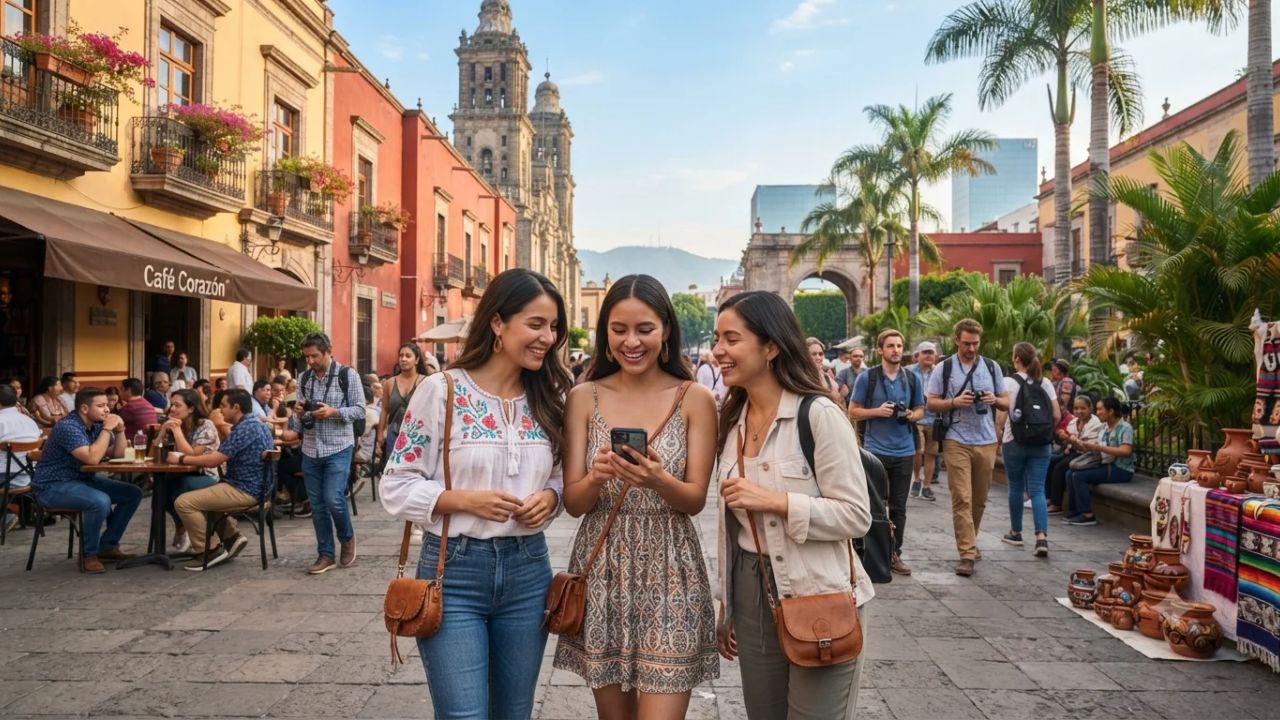
While over 80 percent of first-time international visitors to Mexico historically never venture beyond Caribbean all-inclusive resorts in Cancún and Los Cabos, a nationwide 2026 tourism initiative is actively redirecting global travelers toward the cobblestone alleys of Guanajuato, the lacquerware workshops of Michoacán, and the highland cloud forests of Chiapas. By tailoring multilingual digital campaigns and Mandarin-friendly hospitality services to high-value markets in China, Canada, the United States, Europe, and Latin America, Mexico is repositioning itself as a world-class cultural, culinary, and biodiversity destination.
The strategy responds to shifting global travel habits. Long-haul holidaymakers from Asia and Europe are increasingly seeking multi-week itineraries that combine ancient pre-Hispanic archaeology with regional gastronomy and community-based ecotourism. Concurrently, Canadian long-stay winter visitors and American road travelers are expanding their geographic footprint inland, supporting boutique heritage hotels and rural artisan cooperatives.
The Global Source Market Alignment for 2026
Mexico's diversified promotional framework pairs specific international traveler profiles with specialized regional circuits. By deploying customized digital storytelling on international platforms and integrating contactless mobile payments, the country connects global markets with regional destinations:
| Source Market | Primary Travel Motivations | Featured Mexican Destination Circuits |
|---|---|---|
| China | Ancient civilisations, UNESCO monuments, gastronomy | Mexico City, Guanajuato, Michoacán, Quintana Roo |
| Canada | Winter warmth, long-stay wellness, culinary routes | Puerto Vallarta, Riviera Maya, Los Cabos, Oaxaca |
| United States | Cross-border cultural trips, MICE, luxury eco-resorts | San Miguel de Allende, Mexico City, Baja California |
| United Kingdom | Deep archaeological exploration, food culture | Palenque in Chiapas, Teotihuacán, Yucatán Peninsula |
| Germany | Ecotourism, national park hiking, sustainable journeys | Copper Canyon, Chiapas rainforests, Sierra Gorda |
| Spain & France | Colonial architecture, boutique vineyards, fine dining | Querétaro, Puebla, Valle de Guadalupe, Guadalajara |
| Colombia & Brazil | Family heritage holidays, arts, entertainment | Cancún, Mexico City, Riviera Nayarit |
| Japan & South Korea | Living indigenous traditions, artisan crafts | Oaxaca Valley, Pátzcuaro, Mérida |
For the expanding Chinese outbound sector, Mexican hospitality operators are rolling out Mandarin-language audio guides, UnionPay and Alipay acceptance, and tea-service amenities in key colonial and archaeological centers. In European markets, promotional campaigns emphasize low-impact trekking across biosphere reserves and culinary journeys celebrating traditional nixtamalized corn cooking.
What Sets Mexico's Cultural Heritage Apart
Mexico's experiential richness lies in its living syncretism—the continuous blending of Mesoamerican indigenous traditions with centuries of Spanish colonial architecture and contemporary creative energy.
Key cultural corridors highlighted in the 2026 expansion include:
- Mexico City (CDMX): A sprawling metropolis boasting over 150 museums, world-renowned street food stalls, and the ancient canal systems of Xochimilco.
- Michoacán: The epicenter of traditional Purépecha culture, celebrated worldwide for the solemn candlelit Noche de Muertos (Day of the Dead) vigils on Lake Pátzcuaro and the annual winter migration of millions of monarch butterflies.
- Guanajuato: A UNESCO World Heritage colonial city built over ancient silver mines, famous for its subterranean street tunnels, pastel-colored baroque facades, and the historic Cervantino International Arts Festival.
- Chiapas: A highland and jungle haven where ancient Mayan ruins at Palenque rise out of dense rainforests, and Tzotzil Mayan textile weavers produce intricate backstrap-loom garments in San Juan Chamula and Zinacantán.
- Quintana Roo & Yucatán: Where Caribbean beaches sit adjacent to the sacred cenote sinkholes and ancient stone pyramids of the Maya civilization.
Travelers can explore archaeological site opening hours, museum guidelines, and historic monument preservation projects through the official National Institute of Anthropology and History (INAH) and the Visit Mexico tourism portal.
Visitor Insider Tips for Exploring Authentic Mexico
To experience Mexico's rich regional diversity with confidence and ease, follow these local insights:
- Base Yourself in Walkable Heritage Quarters: In Mexico City, stay in the leafy, historic neighborhoods of Roma Norte, Condesa, or Coyoacán rather than sprawling commercial zones. In Guanajuato, choose a boutique hotel in the pedestrian-only historic center to enjoy evening musical serenades (callejoneadas) led by local student troupes.
- Book Archaeology Passes in Advance: Major UNESCO World Heritage sites like Teotihuacán, Chichén Itzá, and Monte Albán limit daily entrance to protect fragile stone structures. Arrive when gates open at 8:00 AM to explore ancient plazas before midday sun and tour buses arrive.
- Savor Regional Culinary Identities: Look beyond generic tacos. Taste complex seven-ingredient moles in Oaxaca and Puebla, sample carnitas slow-simmered in copper cauldrons in Michoacán, and order fresh ceviche de pescado cured in bitter orange juice on the Pacific coast.
- Ride the Integrated Passenger Trains: In the southeast, utilize the modern Tren Maya network to hop seamlessly between Cancún International Airport, the yellow colonial town of Izamal, Mérida, and the rainforest ruins of Palenque.
- Carry Cash for Local Tianguis: While credit cards and digital apps are widely accepted in urban cafes and hotels, traditional open-air weekly markets (tianguis) and village craft stalls operate exclusively in Mexican pesos.
Cultural and Environmental Context of Community Tourism
The transition toward cultural and nature-based tourism carries profound ecological and social significance across Mexico. For decades, rapid resort development along Caribbean coastlines strained local freshwater tables and fragile coral reefs.
By directing economic activity inland, the 2026 tourism initiative fosters community-based tourism cooperatives owned directly by indigenous communities. In Chiapas and Oaxaca, community ecotourism lodges reinvest visitor fees into reforestation projects and clean water initiatives.
In colonial hubs like Guanajuato and San Miguel de Allende, strict municipal conservation laws protect baroque facades, hand-carved wooden doorways, and stone plazas from unchecked commercialization. Travelers who engage local certified guides, dine in neighborhood family-run fondas, and purchase textiles directly from artisan cooperatives help ensure that Mexico's living cultural heritage thrives for future generations.
FAQ: Visiting Mexico 2026
What are the top cultural destinations to visit in Mexico beyond beach resorts? Mexico City, Guanajuato, Oaxaca, Puebla, San Cristóbal de las Casas in Chiapas, and Mérida offer extraordinary colonial architecture, museums, and gastronomy.
Is it easy to travel between regional Mexican cities without a car? Yes. Mexico features an exceptional first-class intercity luxury coach network (such as ADO, ETN, and Primera Plus) equipped with Wi-Fi, reclining seats, and direct point-to-point connections.
When is the best time of year to explore central and southern Mexico? The dry winter and spring months from November through April offer mild daytime temperatures, clear blue skies, and ideal conditions for archaeological exploration.
Do international travelers need special visas for cultural touring? Tourists from Canada, the United States, the UK, the EU, Japan, and several other nations do not require an advance visa for stays up to 180 days, completing an electronic immigration form upon arrival.
From the mist of highland pine forests to the quiet majesty of ancient stone temples, Mexico reveals its truest soul to those who leave the sun lounger behind.
Related Travel Guides
This article is for informational purposes. Flight routes, passenger regulations, visa rules, and transit advisories are subject to change by airlines and aviation authorities. Readers are advised to verify schedules and travel documentation with relevant carriers and border agencies before departure.
Related Stories
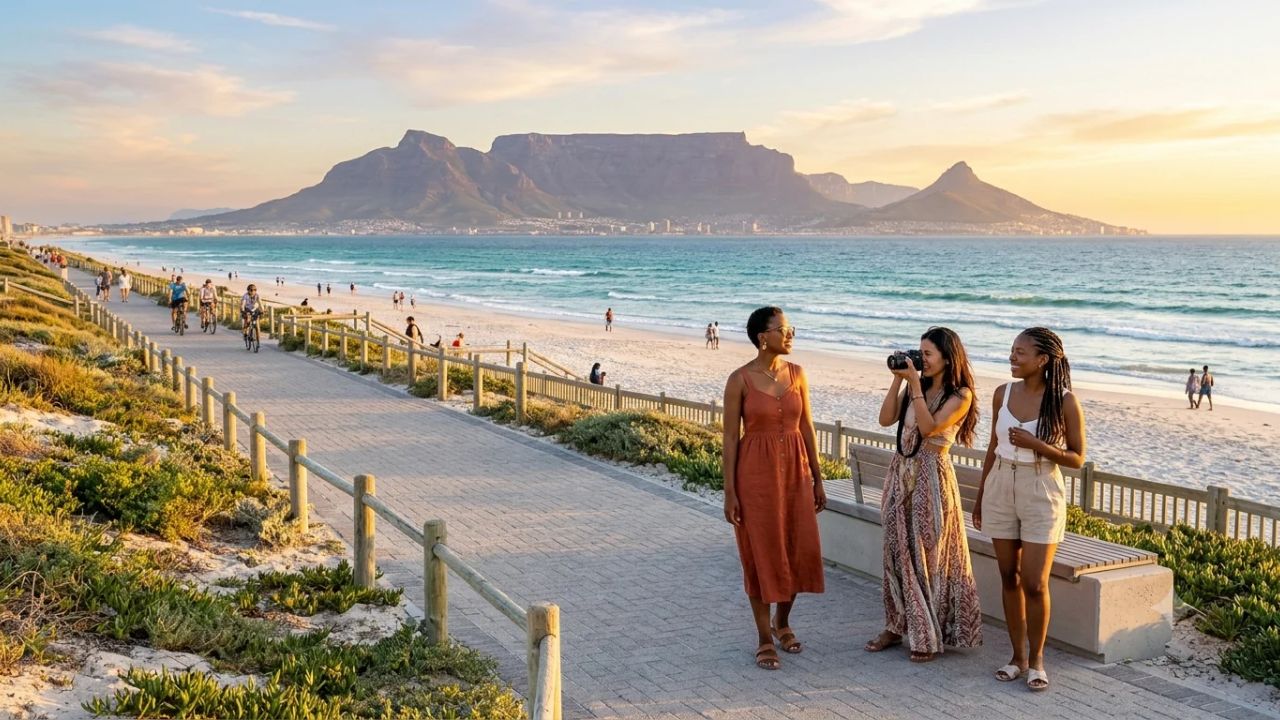
Cape Town Completes Table View Beachfront Coastal Transformation Ahead of 2026-2027 Summer Season

Breeze Airways Expands 2026–2027 Routes: Myrtle Beach and Caribbean Travel Guide