
Uttarakhand Valley Flowers National Park Reopens for 2026 Trek Season
Uttarakhand's Valley of Flowers National Park officially welcomes trekkers in 2026 through mid-October. The UNESCO World Heritage site attracted 108 visitors on opening day, showcasing pristine alpine meadows and rare flora.

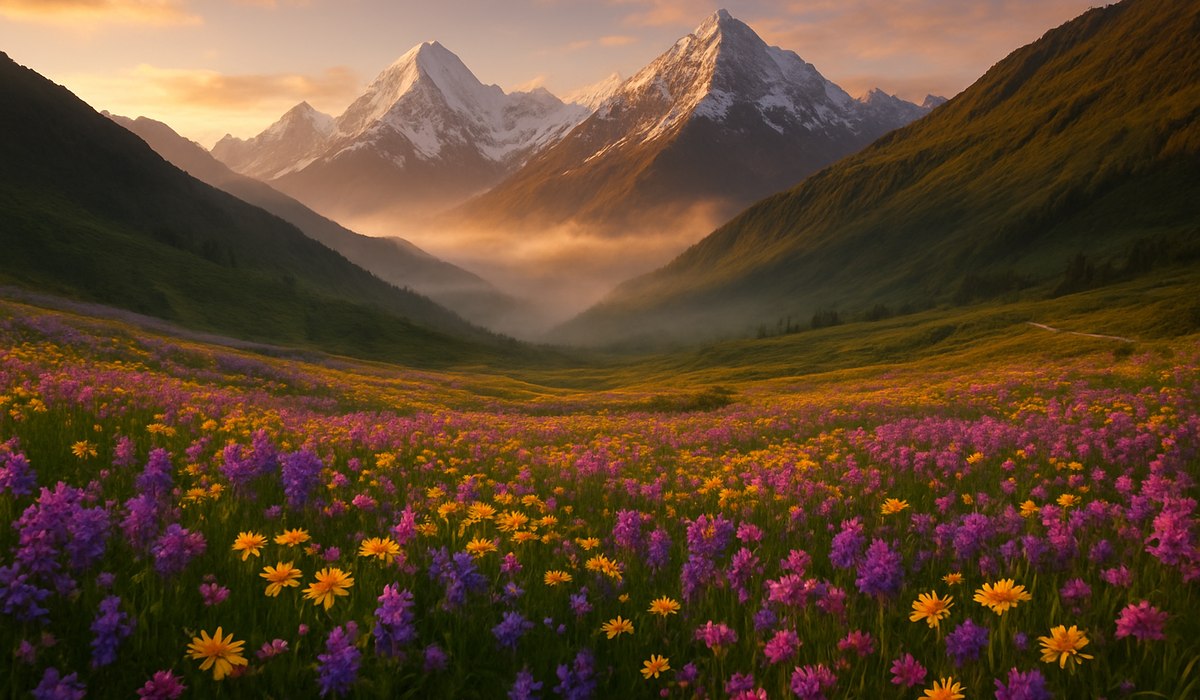
Image generated by AI
Alpine Wonderland Opens Gates to Adventure Seekers
Uttarakhand's Valley of Flowers National Park has officially unlocked its seasonal gates for trekkers and nature enthusiasts. The UNESCO World Heritage site welcomed its first wave of visitors on June 2, 2026, with 108 adventurers exploring the park on opening day alone. Operating through mid-October, this premier alpine destination promises unforgettable encounters with rare wildflower species, dramatic mountain vistas, and pristine natural corridors. The valley sits at elevations between 2,500 and 4,100 meters, creating an ecosystem unlike anywhere else in the Indian Himalayas.
The reopening marks the beginning of peak season for trekkers planning summer expeditions across Uttarakhand's mountain ranges. Unlike winter months when heavy snowfall restricts access, the June-to-October window transforms the barren slopes into a kaleidoscope of blooms. This seasonal rhythm has made the valley a bucket-list destination for experienced hikers and casual nature lovers alike.
Valley of Flowers Opens for Peak Season
The Uttarakhand valley flowers phenomenon represents one of nature's most spectacular annual events. Each summer, the high-altitude meadows burst into life with over 300 plant species, many found nowhere else on Earth. The park's biodiversity extends beyond flora—snow leopards, musk deer, and Himalayan blue sheep roam the protected landscape.
Peak blooming typically occurs between July and August, when visitors encounter the most vibrant color displays. Early summer trekkers in June witness the initial stages of floral emergence, while September and early October visitors enjoy late-season species alongside clearer skies and fewer crowds. The opening-day attendance of 108 visitors suggests strong demand for 2026 season permits. Daily visitor quotas remain in place to preserve the delicate ecosystem, making advance registration essential for serious trekkers.
Access to the park has improved substantially in recent years. Better-maintained trails and seasonal infrastructure upgrades have made the trek more accessible to intermediate-level hikers. The park administration has implemented strict conservation protocols to manage increasing tourist traffic while protecting vulnerable alpine species from overuse.
For more information on Himalayan trekking regulations, consult the Uttarakhand Tourism Board official guidelines.
Trekking Route and Accessibility from Ghangharia
The journey to Uttarakhand valley flowers begins in the small mountain village of Ghangharia, located approximately 250 kilometers from Delhi. Most trekkers access Ghangharia via Govindghat, a bustling transit hub connected by road to major cities. The base village sits at 1,920 meters elevation, providing the primary staging point for all park expeditions.
The main trail from Ghangharia to Valley of Flowers National Park covers approximately 3.2 kilometers, requiring 3-4 hours of steady uphill hiking. The route is well-marked with stone cairns and regularly maintained footpaths. Altitude gain reaches roughly 700 meters, making this a moderate trek suitable for reasonably fit hikers with basic mountaineering experience.
Alternative loops incorporate nearby attractions like Hemkund Sahib, a sacred Sikh pilgrimage site, extending the total trek to 5-7 days. The combined route attracts both adventure tourists and spiritual seekers. Mountain guides available in Ghangharia charge approximately 800-1,200 rupees daily and provide invaluable navigation assistance plus local ecological knowledge.
Local accommodation options range from basic guesthouses (500-800 rupees nightly) to homestays offering home-cooked Himalayan cuisine. Ghangharia has developed modest but functional tourist infrastructure, though services remain limited compared to lowland destinations. Drinking water and basic medical supplies are available at the village, but trekkers should carry comprehensive first-aid kits.
The nearest railhead is Haridwar Junction, approximately 280 kilometers away. Government and private buses connect Haridwar to Govindghat via scenic hill routes, typically requiring 10-12 hours of travel. Some visitors prefer hiring private vehicles for greater flexibility and comfort during the mountain approach.
Best Time to Visit and What to Expect
The Uttarakhand valley flowers display reaches its zenith between mid-July and August, when the meadows showcase their most impressive floral diversity. June opening attracts early birds willing to compromise on bloom abundance for solitude and crystalline weather conditions. September visitors encounter reliable sunshine with thinning crowds, making it ideal for photography enthusiasts and those seeking quieter trekking experiences.
July and August monsoon patterns occasionally bring afternoon rain showers, reducing visibility but intensifying the landscape's emerald tones. October temperatures drop significantly, sometimes dipping below freezing at higher elevations, requiring appropriate thermal gear. Snow patches may linger into June on shaded slopes, creating navigational challenges for unprepared trekkers.
Weather unpredictability remains the defining characteristic of high-altitude Himalayan trekking. Morning fog frequently obscures views until late morning, then clears entirely by afternoon. Sudden afternoon thunderstorms can develop with minimal warning, making early-day trail navigation essential. Most experienced guides recommend starting treks by 6-7 AM to maximize safe daylight hiking hours.
Flora expectations should be calibrated against specific visit months. June visitors encounter sporadic wildflowers alongside bare patches and emerging green vegetation. Peak July-August periods showcase dense flower carpets in purples, yellows, whites, and reds. Late-season October treks reveal alpine gentians, primulas, and hardy species adapted to approaching winter conditions.
Physical preparation significantly impacts enjoyment levels. Multi-day acclimatization in lower elevations before trekking reduces altitude-related discomfort. Daily hydration intake should exceed normal consumption due to high-altitude metabolic demands. Experienced trekkers report that 4-6 weeks of regular aerobic conditioning substantially improves performance and safety margins.
Visitor Facilities and Practical Information
Park infrastructure has expanded considerably to accommodate growing tourist traffic while maintaining conservation standards. The park administration has established three staffed ranger stations providing weather updates, trail condition reports, and emergency communication capabilities. Ranger-guided interpretive walks offer valuable learning opportunities regarding alpine ecology and wildlife behavior patterns.
Limited accommodation exists within the protected area boundaries. Most overnight stays occur at Ghangharia, with approximately 15-20 small hotels, guesthouses, and homestays providing beds. High-season booking (July-August) requires reservations 4-6 weeks ahead. Some hardy trekkers utilize basic shelters or camp accommodations positioned at designated sites within the park, subject to availability and advance permits.
Daily visitor permits cost 650 rupees for Indian nationals and 1,500 rupees for international visitors (2026 rates). Permits are issued on a first-come, first-served basis during peak months, though advance online booking systems are gradually expanding. The daily quota remains capped at approximately 500 visitors to prevent trail degradation and ecosystem strain.
Food options at Ghangharia emphasize simple fare—dal-rice, vegetable curries, bread products, and occasional chicken preparations. Most guesthouses provide meal plans at reasonable rates (250-400 rupees daily). Trekkers should carry supplementary high-energy snacks including nuts, dried fruits, and energy bars. Water purification tablets and electrolyte powders prove invaluable at high elevations where dehydration risks remain elevated despite apparent coolness.
Mobile network coverage remains intermittent throughout the trek route, with Jio and Airtel providing occasional signals near Ghangharia and at certain alpine passes. Expect communication gaps during middle trail sections. Responsible trekkers should inform trusted contacts of itineraries and expected check-in times.
| Factor | Details |
Disclaimer
This article is for informational and educational purposes only. It does not constitute legal, financial, or professional advice. While we strive to provide accurate and up-to-date information, travel policies, regulations, and conditions change rapidly. Always verify information with official sources before making travel decisions. Nomad Lawyer makes no representations about the accuracy, reliability, completeness, or suitability of the information provided. Readers should consult qualified professionals for advice specific to their circumstances. The views expressed in this article are those of the author and do not necessarily reflect the views of Nomad Lawyer.
Preeti Gunjan
Contributor & Community Manager
A passionate traveller and community builder. Preeti helps grow the Nomad Lawyer community, fostering engagement and bringing the reader experience to life.
Learn more about our team →