
Provence-Alpes-Côte d'Azur Regional Tourism Board Expands Off-Season Rail and Heritage Routes as France Targets 102 Million European Winter Travelers
Atout France reports 102M international arrivals as Swiss, Belgian, and Polish travelers shift to winter heritage, TER PACA rail routes, and gastronomy in Provence.

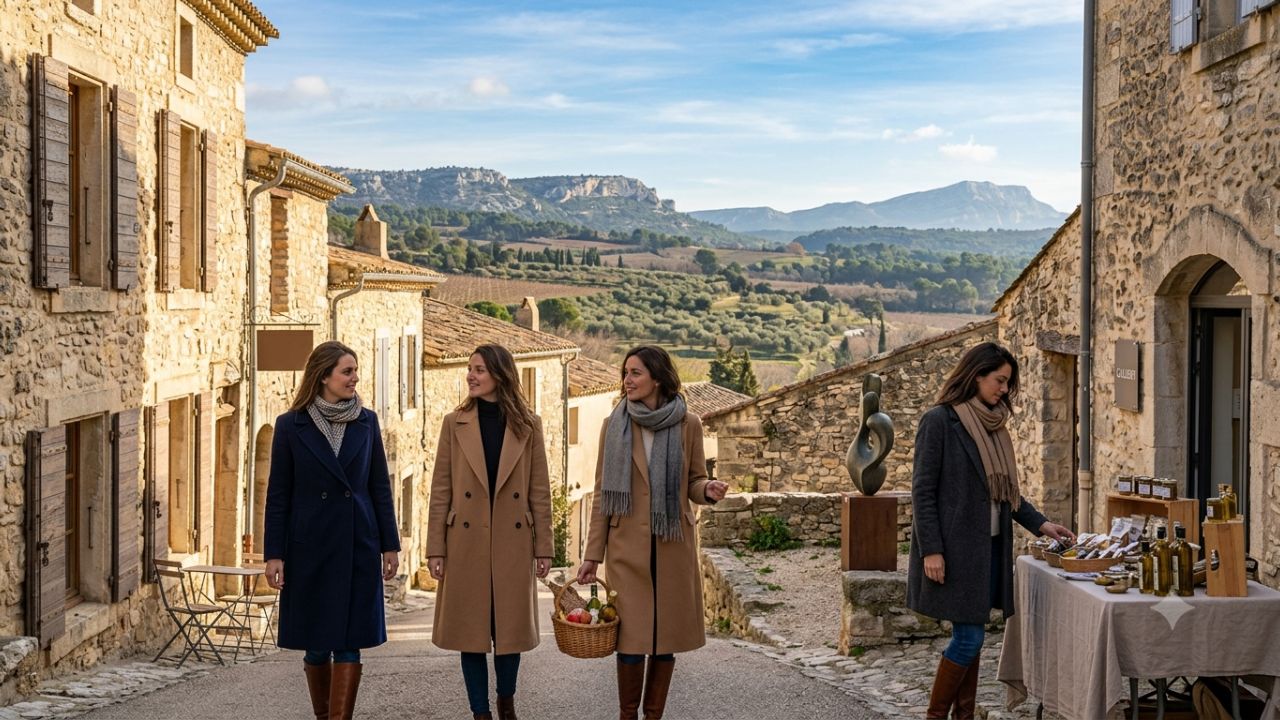
Image generated by AI
Following an estimated 102 million international arrivals recorded in 2025, Atout France and the Provence-Alpes-Côte d'Azur regional tourism authorities are promoting year-round travel models driven by Swiss, Belgian, and Polish demand for off-season heritage, regional rail transit, and gastronomy. Moving beyond summer lavender seasons, the southern French territory is utilizing winter access across Les Baux-de-Provence, Arles, Haute-Provence, and the Calanques to distribute visitor density while boosting low-emission European transport networks.
Supported by high-speed TGV corridors and the SNCF TER PACA regional rail framework, winter tourism across the region allows European travelers to access historic villages, artistic landmarks, and culinary routes with reduced congestion and lower seasonal environmental pressure.
PROVENCE YEAR-ROUND TOURISM & REGIONAL TRANSIT FLOW
| Column 1 |
|---|
| [ International European Visitors: Switzerland, Belgium, Poland, Germany ] |
| +---> Rail Gateways: TGV High-Speed to Aix-en-Provence TGV & Marseille (MRS) |
| +---> TER PACA Regional Connections: Arles, Avignon, Cassis, Tarascon |
| +---> ZOU! Regional Buses: Les Baux-de-Provence, Puyricard, Manosque |
| v |
| [ Winter Experiences: Van Gogh Arles, Nov Olive Harvest, Calanques Hikes ] |
Regional Diversification Beyond Summer Lavender Corridors
The Provence-Alpes-Côte d'Azur (PACA) region remains one of France's premier tourism territories. While global marketing historically emphasized summer coastal getaways and blooming lavender fields, regional authorities are shifting focus to cold-weather cultural and natural assets.
Winter exploration highlights:
- Heritage Settlements: Medieval fortress villages like Les Baux-de-Provence offer quiet historical exploration without summer overcrowding.
- Artistic Heritage: Year-round access to landmarks associated with Paul Cézanne in Aix-en-Provence and Vincent van Gogh in Arles.
- Culinary & Agricultural Routes: Off-season food tourism centered on the November olive harvest in Haute-Provence, regional wine estates, and traditional confectionery in Puyricard.
- Low-Impact Outdoor Ecotourism: Comfortable hiking conditions along Sainte-Victoire Mountain and the coastal inlets of the Calanques National Park.
European Passenger Demand: Swiss, Belgian, and Polish Source Markets
France's strategy relies on strong demand from neighboring European markets, which account for the majority of international arrivals according to Atout France figures.
Swiss Market Integration
Geographical proximity and direct cross-border rail connections make Provence a primary short-break destination for Swiss travelers. Seeking mild Mediterranean weather as an alternative to alpine ski resorts, Swiss visitors focus on outdoor hiking around Sainte-Victoire Mountain, premium wine tourism at estates such as Château La Coste, and culinary exploration across Haute-Provence.
Belgian Cultural & Gastronomic Travel
Belgian visitors represent another core European demographic. Benefiting from high-speed rail links via Paris and Lyon, Belgian travelers gravitate toward medieval heritage in Les Baux-de-Provence, artisan chocolate and calissons production in Puyricard, and coastal walking trails between Marseille and Cassis.
Polish Market Expansion
Rising Polish interest in European cultural routes presents new growth opportunities. Polish travelers demonstrate strong demand for educational travel, visiting Van Gogh historical sites in Arles, exploring architectural installations, and participating in agricultural learning tours during the November olive oil pressing season.
Provençal Winter Tourism Breakdown and Market Matrix
The table below outlines key winter destinations across the region, detailing primary attractions, target visitor segments, key source markets, and transit connectivity:
| Destination / Hub | Core Winter Attraction | Primary Tourism Segment | Key European Source Market | Regional Transit Gateway |
|---|---|---|---|---|
| Les Baux-de-Provence | Medieval château ruins & hilltop heritage | Heritage & Photography | Belgium, Poland, Switzerland | ZOU! Bus Line from Arles / Avignon |
| Arles | Van Gogh artistic sites & Roman amphitheater | Art & Historical Tourism | Poland, Switzerland, Germany | TER PACA Rail (Marseille-Avignon Line) |
| Sainte-Victoire Mountain | Hiking trails & Cézanne heritage points | Outdoor Ecotourism & Art | Switzerland, Belgium | ZOU! Bus from Aix-en-Provence Centre |
| Haute-Provence (Manosque) | November olive harvest & oil mill tastings | Gastronomy & Agricultural | Switzerland, Poland, Belgium | TER PACA Rail / Regional Bus |
| Château La Coste | Contemporary art & vineyard architecture | Luxury & Design Tourism | Switzerland, Belgium | Taxi / Shuttle from Aix-en-Provence |
| The Calanques (Cassis/Marseille) | Coastal cliff hiking & marine views | Active & Wellness Travel | Belgium, Switzerland | TER PACA Rail to Cassis Station |
| Puyricard | Provençal confectionery & artisan sweets | Culinary & Food Tourism | Belgium, Switzerland | Local Bus from Aix-en-Provence |
Cultural Heritage Corridors: Van Gogh’s Legacy in Arles and Les Baux-de-Provence
Winter provides an uncluttered environment for exploring Provence's artistic legacy. In Arles, visitors trace the history of Vincent van Gogh, who arrived in the city in February 1888 and produced over 300 paintings and drawings inspired by the light and architecture of the region. Without summer tourist queues, cultural travelers can visit the Foundation Vincent van Gogh Arles, the Espace Van Gogh, and preserved landscape sites.
Nearby, Les Baux-de-Provence offers access to cobblestone medieval streets and the ruins of its historic fortress. At Château La Coste, located north of Aix-en-Provence, wine production intersects with modern architecture. The 500-acre estate features outdoor installations created by world-renowned artists and architects, including Daniel Buren, Tadao Ando, Alexander Calder, and Louise Bourgeois.
CHÂTEAU LA COSTE ART & ARCHITECTURE INTEGRATION
| Column 1 |
|---|
| [ 500-Acre Provençal Vineyard & Agricultural Estate ] |
| +---> Tadao Ando: Concrete Art Center & Visitor Pavilion |
| +---> Daniel Buren: Kinetic Color & Light Installations |
| +---> Alexander Calder: Monumental Outdoor Steel Sculptures |
| +---> Louise Bourgeois: Bronze Spider Water Installation |
| v |
| [ Year-Round Cultural Ecotourism & Organic Wine Tasting ] |
November Olive Harvesting in Haute-Provence and Agricultural Ecotourism
Haute-Provence introduces an agricultural focus during the late autumn and early winter months. The regional olive harvest, peaking in November, allows international visitors to observe traditional cold-pressing extraction methods at historic mills around Manosque and surrounding villages.
Regional tourism networks promote olive oil tasting routes, pairing fresh extra-virgin pressings with regional gastronomy. These agricultural initiatives create seasonal economic support for rural farmers while providing slow-travel experiences for European visitors.
Official destination updates and regional itineraries are published by the Provence-Alpes-Côte d'Azur Regional Tourism Board.
Traveler Logistics Guide: Navigating Regional Rail and Intercity Transit
Exploring Provence during winter via public transport offers cost savings and eliminates summer traffic delays. Travelers can manage regional logistics using the following guidelines:
PROVENCE PUBLIC TRANSIT LOGISTICS GUIDE
| Column 1 |
|---|
| [ Major Arrival Hubs: Marseille Saint-Charles (MRS) or Aix-en-Provence TGV ] |
| +---> Step 1: Connect via TER PACA Rail to Arles, Avignon, or Cassis |
| +---> Step 2: Utilize Regional ZOU! Bus Lines for Off-Rail Villages |
| +---> Step 3: Purchase SNCF Carte Avantage / Zoo Pass for Rail Discounts |
| +---> Step 4: Verify Winter Calanques Hiking Regulations via App |
High-Speed Rail & Airport Gateways
- TGV Gateways: High-speed TGV trains connect Paris Gare de Lyon to Aix-en-Provence TGV (3 hours) and Marseille Saint-Charles (MRS) (3 hours 15 minutes). Direct TGV Lyria services also connect Geneva and Zurich to Marseille.
- Airport Transfers: Travelers arriving at Marseille Provence Airport (MRS) can take shuttle buses to Marseille Saint-Charles station or Vitrolles Aéroport station for direct TER rail connections.
TER PACA Regional Rail Connections
The SNCF TER PACA regional train network provides frequent coastal and inland services:
- Marseille to Arles: 50-minute direct regional train ride along the Marseille-Avignon line.
- Marseille to Cassis (Calanques Gateway): 25-minute train ride. From Cassis station, local connecting buses link directly to the port and coastal trailhead.
- Digital Rail Ticketing: Download the SNCF Connect app to store digital e-tickets and access regional discounts via the Carte Avantage.
ZOU! Regional Bus Logistics
For destinations located away from rail lines—such as Les Baux-de-Provence, Puyricard, or rural Haute-Provence mills—use the regional ZOU! bus network:
- Line 707 / Local Shuttles: Connect Arles and Saint-Rémy-de-Provence to Les Baux-de-Provence. Check winter weekend timetables, as service frequencies are reduced compared to summer peak.
- Fares: Standard single ZOU! bus fares start at €2.10, offering an affordable transit alternative to rental cars.
Winter Hiking Regulations in the Calanques & Sainte-Victoire
Unlike summer months when high fire risks cause frequent full-day closures of the Calanques National Park and Sainte-Victoire trails, winter offers unrestricted access. However, winter hikers should:
- Check morning weather forecasts for strong Mistral winds, which can create hazardous conditions along exposed limestone sea cliffs.
- Carry adequate water and wear sturdy hiking footwear, as trail amenities remain closed during off-season months.
Infrastructure Impact and Year-Round Economic Sustainability
Developing year-round tourism infrastructure addresses seasonal economic volatility across Provence. By attracting visitors during winter months, regional authorities help maintain steady year-round employment for hospitality workers, balance hotel occupancy rates, and reduce physical congestion on municipal roads and water systems during peak summer periods.
Distributing tourist traffic across cultural hubs in Arles, agricultural zones in Haute-Provence, and outdoor trails in the Calanques establishes a sustainable tourism model that protects regional identity while supporting France's wider tourism economy.
FAQ: France Provence Winter Tourism 2026
What are the main cultural attractions in Provence during winter?
Key winter cultural attractions include the medieval fortress village of Les Baux-de-Provence, Van Gogh historical sites in Arles, Paul Cézanne landmarks in Aix-en-Provence, and the outdoor art installations at Château La Coste.
How can travelers visit Les Baux-de-Provence using public transport?
Travelers can take a TER PACA train to Arles or Avignon, then transfer to regional ZOU! bus lines connecting directly to Les Baux-de-Provence.
When does the olive harvest take place in Haute-Provence?
The olive harvest in Haute-Provence primarily takes place during November, offering visitors opportunities to visit local mills and taste fresh extra-virgin olive oils.
Are the Calanques hiking trails open during the winter?
Yes, winter provides excellent hiking conditions in the Calanques National Park with cooler temperatures and minimal fire risk closures compared to the summer season.
Related Travel Guides
Disclaimer
This article is for informational and educational purposes only. It does not constitute legal, financial, or professional advice. While we strive to provide accurate and up-to-date information, travel policies, regulations, and conditions change rapidly. Always verify information with official sources before making travel decisions. Nomad Lawyer makes no representations about the accuracy, reliability, completeness, or suitability of the information provided. Readers should consult qualified professionals for advice specific to their circumstances. The views expressed in this article are those of the author and do not necessarily reflect the views of Nomad Lawyer.
Kunal K Choudhary
Co-Founder & Contributor
A passionate traveller and tech enthusiast. Kunal contributes to the vision and growth of Nomad Lawyer, bringing fresh perspectives and driving the community forward.
Learn more about our team →