Mexico Tourism Spending Slows in Q1 2026 Despite Stable Arrivals

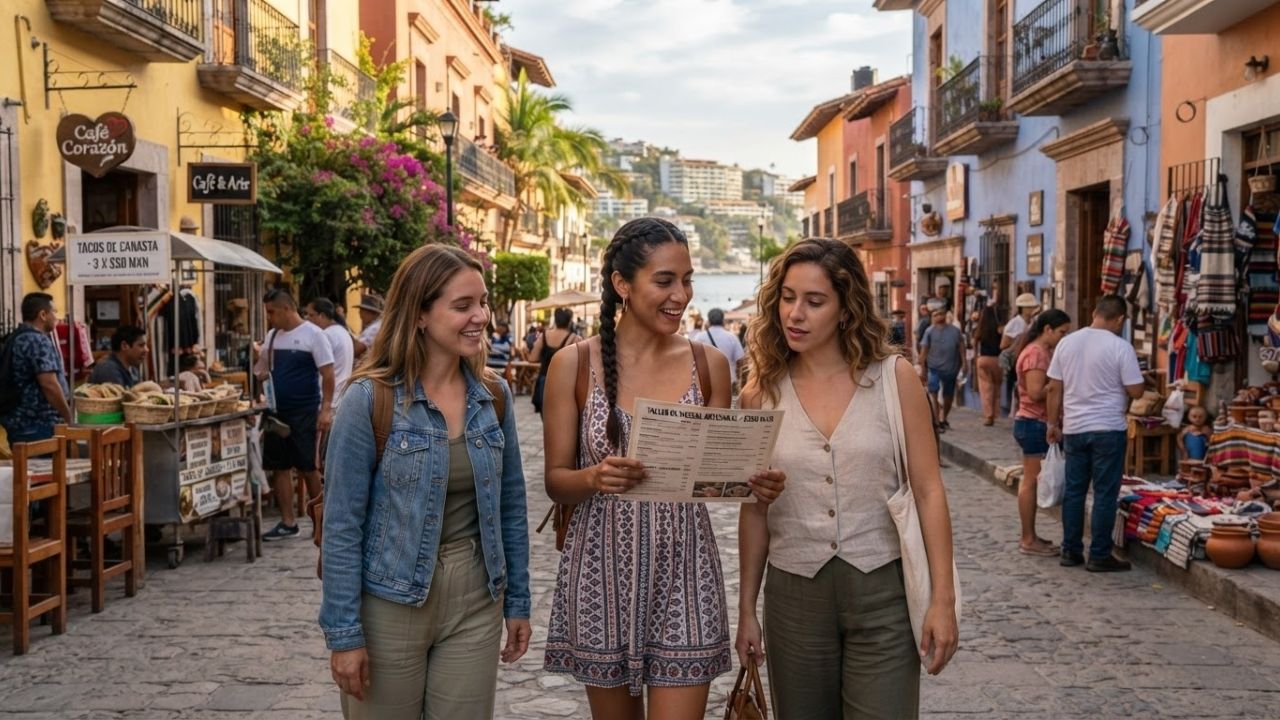
Image generated by AI
Mexico’s tourism GDP contracted by 0.8% and international visitor spending fell by 1.1% in Q1 2026, signaling a shift toward budget-conscious travel.
The Core Transit Update
International passenger arrivals and tourism-related economic output in Latin America are experiencing a transitional phase. According to official data, Mexico's tourism GDP declined by 0.8% during the first quarter of 2026 compared with the same period in 2025. Concurrently, international visitor spending decreased by 1.1% year over year.
Inbound visitor numbers remained virtually flat, showing a marginal increase of only 0.1%. These figures indicate that while travel demand to Mexico remains high, visitors from key North American source markets are becoming more budget-conscious.
Travel Metrics & Regional Destination Specifications
Analyzing travel economics requires tracking national performance indicators alongside regional destination highlights. The following tables outline Mexico's Q1 2026 tourism metrics and primary destination trends.
| Mexico Tourism Metric | Q1 2025 Benchmark | Q1 2026 Recorded Value | Year-on-Year Growth Context |
|---|---|---|---|
| Tourism Sector GDP | Reference Level | -0.8% contraction | Moderation in travel economic output |
| International Spend Volume | Reference Level | -1.1% decline | Travelers choosing budget lodging |
| Inbound Visitor Growth | Reference Level | +0.1% marginal rise | Volumes stable but flat arrivals |
| Annual Visitor Baseline | — | ~45 million (2024 total) | Confirms global powerhouse status |
Mexico tourism economic metrics (Q1 2026).
| Travel Destination | Primary Tourism Segment | Core Attraction Asset | Key Local Constraint / Risk |
|---|---|---|---|
| Cancún / Riviera Maya | Coastal resort leisure | Caribbean beaches & marine hubs | Sargassum seaweed & coastal erosion |
| Mexico City | Metropolitan cultural | Historic districts & gastronomy | Urban infrastructure bottlenecks |
| Los Cabos | Premium luxury travel | High-end beachfront retreats | High daily operational expenses |
| Puerto Vallarta | Traditional seaside | Banderas Bay & local culture | Regional transport terminal flows |
| Oaxaca | Heritage & culinary | Gastronomy & indigenous crafts | Rural infrastructure accessibility |
Mexico destination profiles and travel trends.
Traveler Logistics Guide
From a ground-level perspective, the best way to navigate this is to compare mid-tier boutique accommodations and local dining options instead of booking all-inclusive resort packages, as regional operators are offering discount pricing to counter the 1.1% spending dip, allowing travelers to secure excellent value outside the major hotel zones. Checking hotel deals is recommended.
To plan your Mexican holiday:
- Customs and Digital Transit: When arriving at major hubs like Mexico City (MEX) or Cancún (CUN), utilize the automated digital passport gates to bypass long queues. Have your lodging address and return ticket logs ready.
- Track Sargassum Seaweed: If visiting Cancún or the Riviera Maya during summer months, check the daily Sargassum Monitoring Network updates to select beaches that are clear of seaweed deposits.
- Budget-Friendly Dining: Discover regional gastronomy in historic cities like Oaxaca or Puebla, where street food stalls and local markets provide authentic dining at a fraction of resort pricing.
- Pre-Book Internal Flights: Internal transit codes (such as Volaris or Aeroméxico flights) are highly affordable if booked 3 months in advance, linking Mexico City to beach resorts efficiently.
Infrastructure Impact Assessment
The 0.8% drop in tourism GDP highlights the need for Mexican destinations to diversify their offerings beyond traditional sun-and-sand holidays. While major beach resorts in Cancún and Los Cabos continue to handle massive volumes, the flat 0.1% visitor growth indicates that the market has reached saturation.
By upgrading airport terminals and investing in passenger rail links—such as the Tren Maya corridor—authorities encourage travelers to explore inland archaeological sites and colonial towns, dispersing tourist spend to rural communities.
Related Travel Guides
This article is for informational purposes. Flight routes, passenger regulations, visa rules, and transit advisories are subject to change by airlines and aviation authorities. Readers are advised to verify schedules and travel documentation with relevant carriers and border agencies before departure.
Related Stories
Brazil, Mexico, and Peru Lead Americas' 2026 Push for Cultural and Nature Tourism Diversification

Global Gastronomic Tourism Sector Forecast to Surge to $143 Billion by 2032: Asian Flavors, Wellness, and Sustainable Food Systems