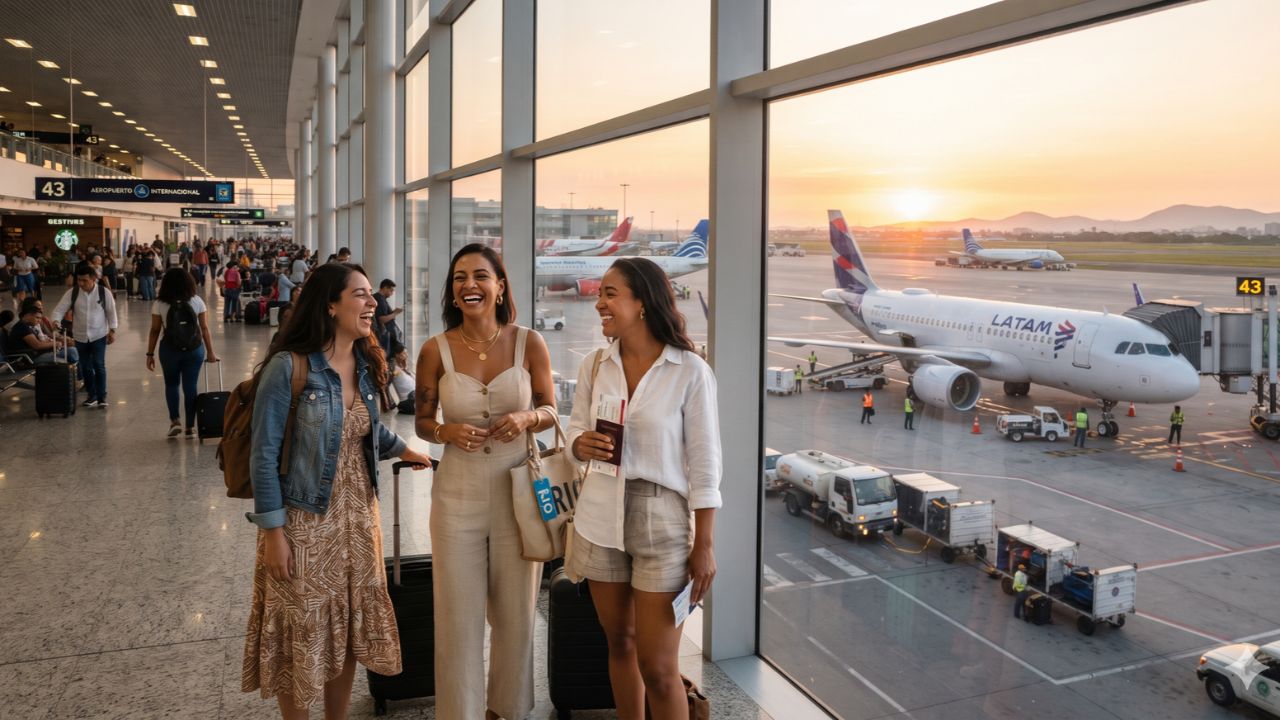
Brazil, Mexico, and Peru Lead Americas' 2026 Push for Cultural and Nature Tourism Diversification

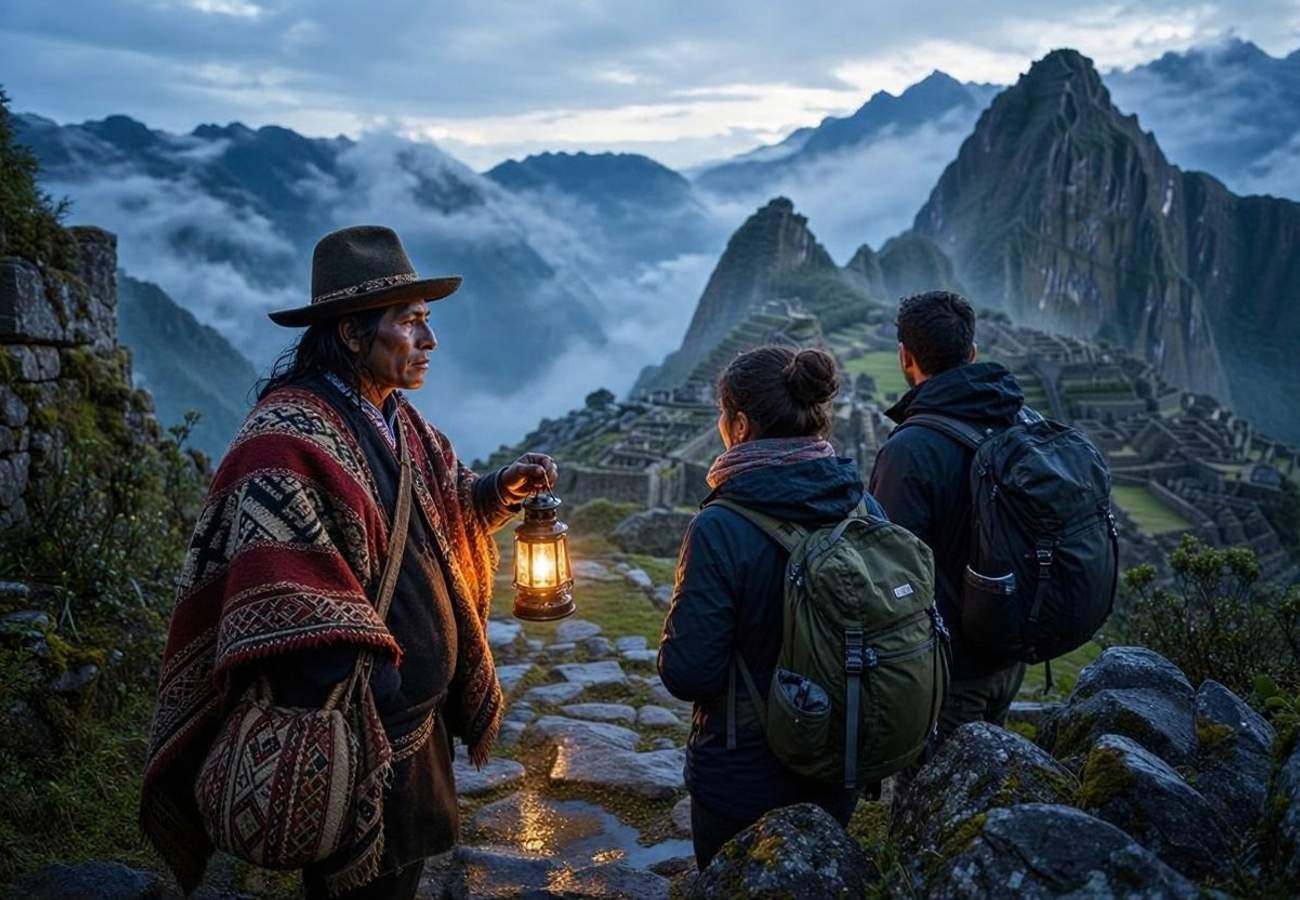
Image generated by AI
[Sao Paulo, November 8, 2026] — Brazil, Mexico, Peru, Colombia, and Costa Rica are aggressively pivoting their tourism strategies to prioritize cultural heritage and biodiversity over traditional high-density beach resorts. This shift aims to redirect international visitor flows toward indigenous traditions, ancient archaeological sites, and remote nature reserves to combat overtourism in established hubs.
Tourism authorities across the Americas are now targeting "destination diversification," a move designed to spread economic benefits to rural communities and lesser-known regions. By promoting immersive experiences—ranging from the Amazon rainforest to Maya ruins—these nations seek to attract a new demographic of travelers who prioritize authenticity and conservation over all-inclusive luxury.
The Catalyst for Diversification
The primary driver behind this transition is the saturation of "traditional holiday hotspots." For years, the Americas' tourism economy has relied heavily on a few iconic locations—such as Cancún in Mexico or Machu Picchu in Peru—creating environmental strain and economic imbalance.
To mitigate this, governments are leveraging their unique cultural assets. Mexico is pushing visitors toward the culinary circuits of Oaxaca and Puebla, while Peru is expanding its focus to the Colca Canyon and Northern Peru. This strategy is not merely about marketing; it is an economic imperative to create localized employment and strengthen regional businesses through distributed visitor spending.
Regional Diversification Potential 2026–2027
The following data outlines the specific assets and diversification potential for key markets across the Americas.
North and Central America
| Country | Cultural Heritage Assets | Nature Tourism Opportunities | Diversification Potential |
|---|---|---|---|
| Mexico | Maya sites, Oaxaca, Puebla | Copper Canyon, Chiapas forests | Very High |
| USA | Native American heritage, Route 66 | National parks, Alaska wilderness | High |
| Canada | First Nations, Québec heritage | Rocky Mountains, Boreal forests | High |
| Costa Rica | Coffee estates, indigenous villages | Monteverde, Corcovado | Very High |
| Guatemala | Tikal, Antigua, Maya communities | Lake Atitlán, Petén forests | Very High |
| Panama | Casco Antiguo, Portobelo | Coiba, Darién cloud forests | High |
| Belize | Maya heritage, Garifuna culture | Barrier Reef, Cockscomb Basin | Very High |
South America and Caribbean
| Country | Cultural Heritage Assets | Nature Tourism Opportunities | Diversification Potential |
|---|---|---|---|
| Brazil | Salvador, Ouro Preto, Olinda | Amazon, Pantanal, Atlantic Forest | Very High |
| Peru | Cusco, Sacred Valley, Nazca | Amazon, Colca Canyon, Andes | Very High |
| Colombia | Cartagena, Coffee culture | Pacific coast, Sierra Nevada | Very High |
| Ecuador | Quito, Cuenca, Otavalo | Galápagos, Cloud forests | Very High |
| Argentina | Buenos Aires, Gaucho culture | Patagonia, Iguazú Falls | Very High |
| Dominican Rep. | Colonial Santo Domingo | Los Haitises, Jarabacoa | Very High |
| Jamaica | Reggae, Maroon heritage | Blue Mountains, Cockpit Country | High |
| Dominica | Kalinago heritage, Creole traditions | Boiling Lake, Rainforest trails | Very High |
What This Means for Travelers
For the modern traveler, this shift translates to a move away from the "tourist bubble." Instead of gated resorts, the 2026-2027 trend emphasizes community-led itineraries and conservation-focused travel.
Passenger and Visitor Impact:
- New Itineraries: Travelers can expect more comprehensive packages that link coastal visits with inland explorations (e.g., combining Belize's Barrier Reef with inland Maya archaeology).
- Authentic Access: Increased availability of indigenous-led tours and rural homestays, particularly in Guatemala and Canada.
- Logistical Shifts: While the desire for diversification is high, travelers should expect "infrastructure gaps" in remote areas. This may mean fewer luxury hotels and a greater reliance on local transport in regions like the Amazon or the Chaco wetlands.
- Regulatory Changes: Increased focus on conservation may lead to stricter permit requirements for nature reserves. Travelers should check the UNESCO World Heritage Centre or official national tourism boards for entry regulations.
Infrastructure and Environmental Challenges
Despite the high potential, the path to diversification is not without risk. Tourism authorities are currently grappling with the paradox of "promoting the unknown." As remote areas like the Pantanal in Brazil or the northern forests of Canada become more accessible, the risk of environmental degradation increases.
Governments are now tasked with building sustainable infrastructure—roads, waste management, and digital connectivity—without destroying the very "untouched" nature that attracts visitors. In countries like Nicaragua, "execution risk" remains high due to varying operating conditions and access limitations.
To ensure these gains are sustainable, many nations are aligning their strategies with the World Tourism Organization (UN Tourism) guidelines to balance economic growth with ecological preservation.
FAQ: Americas Cultural Tourism 2026
Which countries offer the highest potential for non-traditional tourism? Brazil, Mexico, Peru, and the Dominican Republic are rated "Very High" for diversification potential. They are actively moving visitors away from primary hubs like Cancún and Machu Picchu toward rural and indigenous circuits.
What are the primary risks when visiting these diversified destinations? The main challenges are infrastructure gaps and environmental pressures. Remote regions may lack the luxury amenities of major cities and may have stricter conservation rules regarding visitor access.
How can I find authentic indigenous-led experiences? Many countries, including Canada and Guatemala, are now integrating First Nations and Maya-led tours into their official tourism frameworks. It is recommended to book through certified community-led cooperatives.
Are these new routes more expensive than traditional resorts? Costs vary. While luxury eco-lodges can be expensive, rural homestays and community-led tours often provide a more affordable, grassroots alternative to all-inclusive resorts.
The era of the beach-only vacation is fading as the Americas unlock the depths of their rainforests and ruins.
Related Travel Guides
This article is for informational purposes. Flight routes, passenger regulations, visa rules, and transit advisories are subject to change by airlines and aviation authorities. Readers are advised to verify schedules and travel documentation with relevant carriers and border agencies before departure.
Related Stories

Curitiba December 2026 Festivals: A Comprehensive Guide to Christmas Lights, Disney Shows, and Public Events
Into the Steaming Jungle: Inside Shanay-Timpishka, Peru's Sacred 90°C Boiling River