
Mexico and Colombia Lead Latin American Romance Tourism Surge into a Billion-Dollar Travel Powerhouse

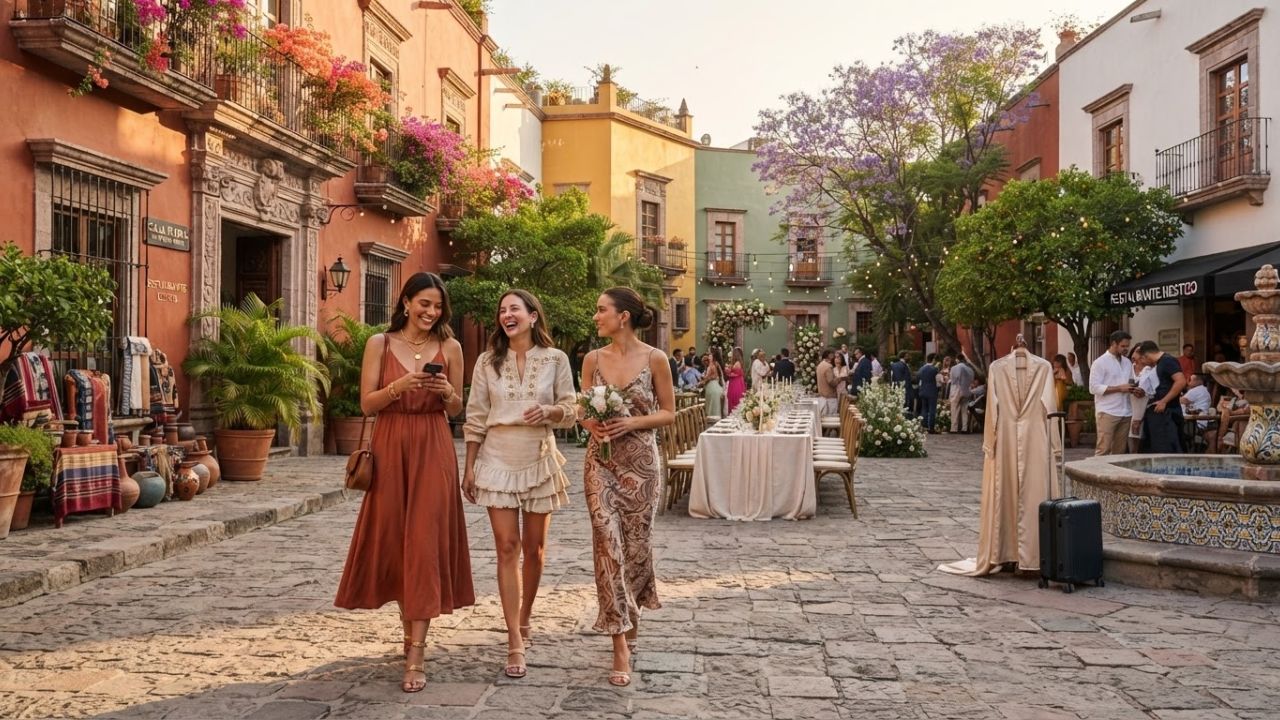
Romance tourism has evolved from a boutique niche into a multi-billion-dollar economic engine across Latin America, propelled by Mexico welcoming 24.5 million international tourists who spent US$18.78 billion in the first half of 2026, alongside Colombia’s historic expansion to 1.8 million hospitality jobs. As couples replace conventional resort getaways with multi-day destination weddings, elopements, and vow renewals, heritage epicenters like Guanajuato and Cartagena are driving extended four-to-six-day stays that channel millions directly into regional creative economies.
Across Central and South America, destination weddings and celebratory travel are reshaping regional tourism architecture. Rather than relying solely on sun-and-sand mass tourism, governments in Mexico, Colombia, Peru, and Chile are integrating romance into formal national economic strategies. A single destination wedding attracts dozens of invited guests who require multi-night hotel lodging, chartered transit, artisan catering, regional floriculture, and local musical entertainment, creating an economic multiplier that far exceeds traditional leisure vacations.
By connecting romantic celebrations with indigenous gastronomy, Spanish colonial architecture, and community-based cooperatives, Latin American destinations are demonstrating that emotion can drive sustainable, decentralized economic development.
The Local Trend Revealed: Formalizing Romance as an Economic Driver
National tourism ministries are transforming romantic travel into a structured commercial product:
- Mexico’s National Strategy (SECTUR): The Secretariat of Tourism (SECTUR) developed a national romance tourism framework, publishing ten traditional wedding catalogues covering Aguascalientes, Baja California, Mexico City, Hidalgo, Jalisco, Morelos, Oaxaca, Puebla, Veracruz, and Yucatán. The initiative links weddings with local artisans, traditional cooks (cocineras tradicionales), and agricultural cooperatives.
- Mexico's Macro Influx: In the first six months of 2026, Mexico welcomed 51.1 million international travellers (a 7.7% year-on-year increase) and 24.5 million international tourists (up 4.6% year-on-year), capturing US$18.78 billion in foreign visitor spending. This follows a strong baseline from January to July 2025, when Mexico recorded 27.7 million international tourist arrivals, up 7.2% compared with 2024.
- Colombia’s Expansion: Colombia recorded 14.8 million foreign visitors during the current presidential administration as part of over 24 million non-resident visitors. By February 2026, accommodation and food-service employment reached 1.8 million jobs—15% above February 2019 benchmarks—with the United States standing as its leading source market.
- Professional Training in Peru: In April 2025, PROMPERÚ organized specialized romance tourism training for more than 80 industry professionals across Lima, Cusco, Ica, and Trujillo, embedding destination weddings into the broader meetings, incentives, conferences, and exhibitions (MICE) framework.
- Domestic Romance in Chile: Sernatur in Chile utilizes romantic travel campaigns around seasonal milestones to stimulate domestic travel, linking couples' getaways with wine valleys, nature reserves, and wellness retreats.
| Destination | 2026 Tourism Performance | Romance Market Specialization | Official Strategic Evidence |
|---|---|---|---|
| Mexico | 24.5M international tourists (Jan–Jun 2026; US$18.78B spend) | Destination weddings, honeymoons, elopements, vow renewals | SECTUR traditional wedding catalogues across 10 federal states |
| Colombia | 1.8M food & lodging jobs (Feb 2026); US leads inbound | Cartagena colonial weddings, honeymoons, festive celebrations | Corpoturismo multi-day wedding and convention strategy |
| Guanajuato (Mexico) | 816,000+ romance visitors in 2025; 1.958B Mexican pesos | San Miguel de Allende weddings; 1,385 state weddings in 2025 | 3 million annual visitors arrive in connection with weddings |
| Peru | Chile ranked as primary source market through July 2026 | Historic Andean weddings in Cusco; desert retreats in Ica | PROMPERÚ training over 80 travel & MICE professionals |
| Chile | High-yield domestic leisure travel baseline | Wine valley getaways, alpine nature escapes, thermal wellness | National campaigns linking romance with regional gastronomy |
Guanajuato and Cartagena: The Epicenters of Colonial Romance
Nowhere is the transformative impact of destination weddings clearer than in Guanajuato, Mexico, and Cartagena, Colombia:
- Guanajuato’s Wedding Economy: In 2025, the state of Guanajuato welcomed more than 816,000 romance-related visitors, generating an economic impact of over 1.958 billion Mexican pesos. San Miguel de Allende recorded 1,534 destination weddings in one official count, while the state closed 2025 with 1,385 destination weddings. Approximately three million annual visitors travel to the state in connection with wedding celebrations.
- Cartagena’s Extended-Stay Multiplier: Cartagena’s historic walled city provides an atmospheric backdrop of 16th-century ramparts and bougainvillea-draped balconies. Local tourism authorities report that wedding groups stay between four and six days, distributing capital across pre-wedding cocktail parties, boat charters to the Rosario Islands, and post-wedding brunches.
- Bogotá’s Celebration Network: Colombia's capital is expanding its footprint by connecting weddings with its thriving fashion design, floriculture, and culinary scenes, proving that urban centers can command high-yield romantic celebrations.
The Economic Ripple: Spreading Wealth to Local Artisans and Cooperatives
Unlike traditional resort tourism where expenditures remain concentrated inside all-inclusive enclaves, romantic travel activates an extensive local supply chain:
- Empowering Independent Creators: A single destination celebration requires local wedding planners, floral designers, photographers, acoustic musicians, makeup artists, and private drivers.
- Preserving Traditional Culinary Arts: In Mexico, wedding banquets increasingly feature regional gastronomic masters who showcase ancestral recipes, from Oaxacan mole negro to slow-roasted cochinita pibil in Yucatán.
- Supporting Regional Agriculture: In Colombia, the wedding boom directly supports the nation’s floriculture industry—one of the world's largest exporters of fresh roses, hydrangeas, and carnations.
Cultural and Community Stewardship: Respecting Living Heritage
As destination weddings expand into historic colonial towns and indigenous territories, regional authorities are implementing strict preservation measures:
- Historic Center Protection: Municipal heritage councils in San Miguel de Allende and Cartagena enforce strict decibel limits, designated parade routes, and preservation rules to ensure historic cobblestone streets and colonial monuments remain unharmed.
- Sustainable Event Decor: Couples are increasingly abandoning single-use floral foam and plastic party favors in favor of locally sourced potted succulents, biodegradable confetti, and handmade artisan ceramics that guests can take home.
- Community-First Parades: In San Miguel de Allende, traditional callejoneada wedding parades must employ registered local musicians and authentic papier-mâché artisans, ensuring that traditional cultural expressions remain economically self-sustaining.
Visitor Insider Tips: Planning a Seamless Romantic Escape
Couples and wedding parties planning journeys to Mexico or Colombia can optimize their experience with these practical local insights:
- Time the Optimal Weather Windows: In Guanajuato and San Miguel de Allende, schedule weddings during the dry spring months (March through May) or during the cultural autumn season (October and November). In Cartagena, target the dry Caribbean season between December and April to avoid afternoon tropical downpours.
- Embrace the Callejoneada Parade Etiquette: If hosting or attending a wedding parade in San Miguel de Allende, follow local civic rules: secure permits through the municipal tourism office, hire a licensed estudiantina or mariachi band, and treat the giant dancing mojigangas (papier-mâché puppets) with care as they navigate narrow colonial alleys.
- Indulge in Regional Culinary Icons: For celebration banquets in Mexico, incorporate artisanal mezcal bars paired with local cheeses from Querétaro and Guanajuato. In Cartagena, delight guests with fresh coastal ceviche, coconut rice, and passion fruit cocktails served in colonial courtyard estates.
- Book Heritage Venues Months in Advance: Renowned historic venues—such as boutique haciendas in Morelos, restored convents in Cartagena, and open-air courtyards in Oaxaca—frequently book out 12 to 18 months ahead of peak wedding season.
- Coordinate Group Transport Logistics: In historic colonial cities with narrow streets and limited vehicle access, arrange private Mercedes Sprinter shuttles or traditional open-air trolleys (chivas in Colombia) to transport guests smoothly between hotels and reception venues.
Tourism Outlook: Romance as a Catalyst for Sustainable Growth
The remarkable expansion of romance tourism across Mexico, Colombia, Peru, and Chile marks an enduring evolution in Latin American travel. By transforming personal milestones into multi-day cultural immersions, the region has unlocked an invaluable blueprint for economic decentralization.
As couples seek authentic human connection, exceptional food, and historic architecture, Latin America’s romance travel sector will continue to thrive. By harmonizing romantic emotion with cultural stewardship, the region ensures that love not only creates unforgettable memories, but also sustains the communities that host them.
Related Travel Guides
Disclaimer
This article is for informational and educational purposes only. It does not constitute legal, financial, or professional advice. While we strive to provide accurate and up-to-date information, travel policies, regulations, and conditions change rapidly. Always verify information with official sources before making travel decisions. Nomad Lawyer makes no representations about the accuracy, reliability, completeness, or suitability of the information provided. Readers should consult qualified professionals for advice specific to their circumstances. The views expressed in this article are those of the author and do not necessarily reflect the views of Nomad Lawyer.
Raushan Kumar
Founder & Lead Developer
Full-stack developer with 11+ years of experience and a passionate traveller. Raushan built Nomad Lawyer from the ground up with a vision to create the best travel and law experience on the web.
Learn more about our team →