
Melbourne and Adelaide Lead Australia's 2026 Culinary Tourism Surge as Michelin Guide Expands
Australia's culinary tourism is transforming urban travel in 2026, with Melbourne and Adelaide emerging as global gastronomic hubs driven by Michelin Guide entries and international recognition.

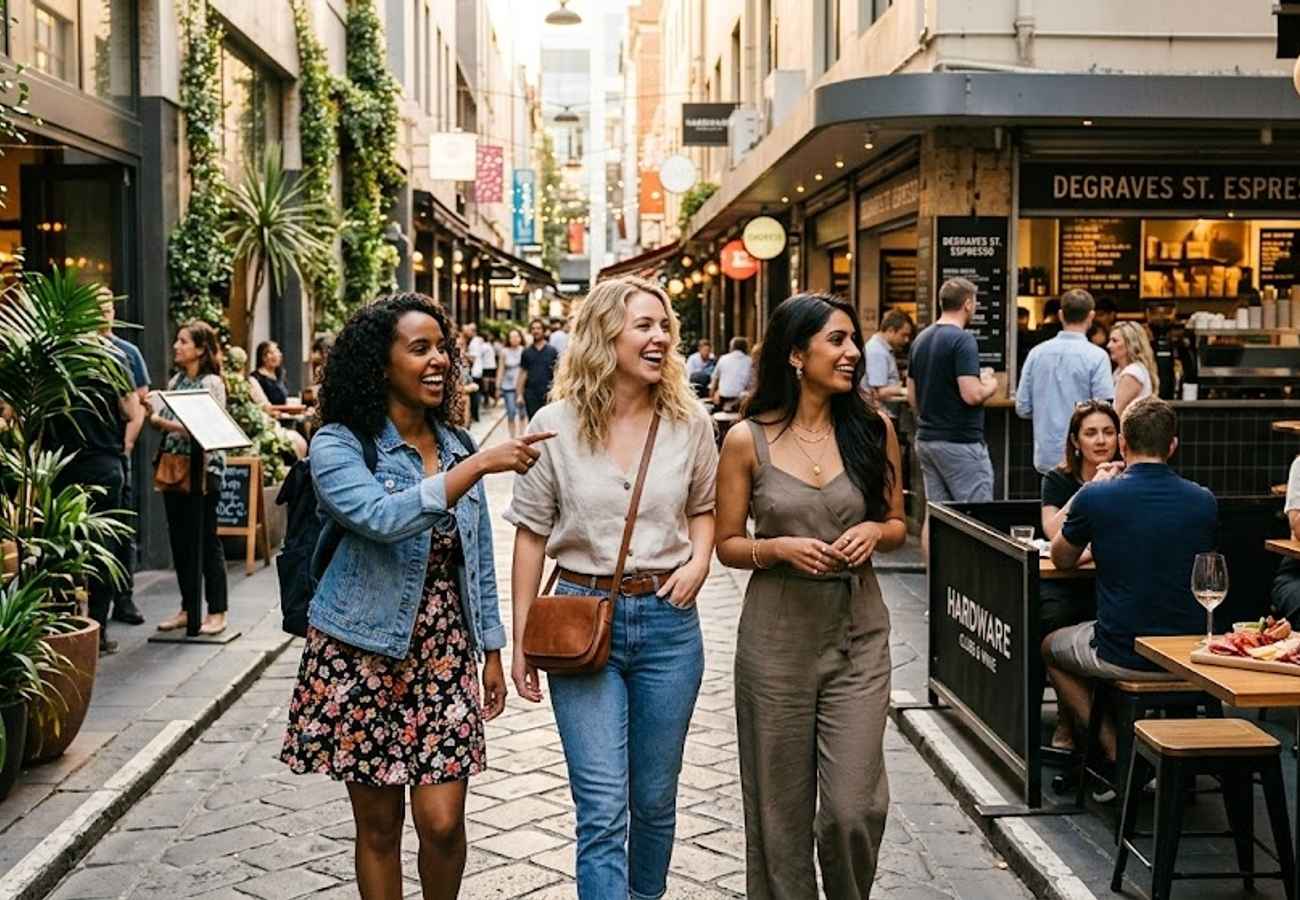
Image generated by AI
Australia’s urban centers are pivoting from landmark-based tourism to flavor-driven travel, with Melbourne and Adelaide securing top-tier global gastronomic status in 2026.
The national tourism landscape is undergoing a rapid transformation. International travelers are increasingly selecting destinations based on multicultural dining, local producers, and high-profile food festivals. This shift is moving the focus away from traditional sightseeing toward immersive culinary journeys that emphasize community connection and regional authenticity.
The Rise of the Australian Food Capital
The momentum is most visible in Victoria and South Australia. Melbourne has solidified its position as a global leader, while Adelaide is experiencing a surge in visibility due to new international accreditation. Simultaneously, "breakout" destinations like Parramatta are proving that culinary excellence can drive tourism independently of traditional city-center attractions.
From a logistical perspective, this means travel patterns are shifting. Visitors are no longer just visiting the CBD; they are venturing into multicultural neighborhoods, regional wine valleys, and specialized food markets to find the "story" behind the dish.
2026 Culinary Momentum by City
| City and State | 2026 Momentum | Principal Food Identity | Key 2026 Catalysts | Optimal Visit Period |
|---|---|---|---|---|
| Melbourne, VIC | Exceptional | Multicultural dining, specialty coffee, wine bars | Ranked 7th best food city globally (Time Out); named world's most diverse food city | March (Food and Wine Festival) |
| Adelaide, SA | Exceptional | SA produce, native ingredients, Barossa/McLaren Vale wines | First Australian destination for Michelin Guide; Norwood Festival generated A$4.6M in 2025 | April–May; October (Michelin announcement) |
| Parramatta, NSW | Exceptional Breakout | Indian, South Asian, Middle Eastern, street food | Named one of ten best places to eat in 2026 by Condé Nast Traveller | Autumn and Spring |
| Sydney, NSW | Very High | Harbour dining, seafood, Chinatown, Inner West | Vivid Sydney 2026: 250,000+ dishes sold; 64 culinary talents featured | Late May to mid-June (Vivid Sydney) |
| Hobart, TAS | Very High | Fresh seafood, cool-climate wine, farm-to-table | Taste of Summer 2025–26 saw record 98,000 attendees (up 12%) | Dec–Jan; June (Dark Mofo) |
| Launceston, TAS | High | Tamar Valley wine, artisan cheese, craft beer | UNESCO City of Gastronomy; 993 farming businesses in surrounding region | Late January; October |
| Bendigo, VIC | High | Central Victorian wine, heritage dining | UNESCO Creative City/Region of Gastronomy designation | March–May; October |
| Darwin, NT | High Niche | Laksa, barramundi, Aboriginal bush ingredients | Darwin International Laksa Festival; July 2026 Fusion Garramilla Food Fair | May–August (Dry Season) |
Emerging Market Analysis
While the above cities lead the surge, other hubs are showing strategic growth:
- Perth, WA: Acting as the primary gateway to the Swan Valley and Margaret River, though regional recognition still outweighs the city center's individual brand.
- Brisbane, QLD: Expanding rapidly in Fortitude Valley and South Bank, with 51 restaurants appearing in the 2026 Australian Good Food Guide Chef Hat listings.
- Fremantle, WA: Integrating with Perth to create a compact food-and-culture itinerary featuring breweries and Italian heritage.
Why This Matters: Industry Implications
Our analysis of these trends indicates a fundamental shift in how Australia markets itself globally. For years, the "Australian experience" was sold as beaches and outback. In 2026, the narrative has shifted to gastronomic sophistication.
The entry of the Michelin Guide into Adelaide is a watershed moment. For the aviation and hospitality sectors, this translates to a higher yield per visitor. Culinary tourists typically spend more on premium accommodation and high-end dining than the average leisure traveler.
Furthermore, the rise of Parramatta demonstrates a decentralization of tourism. When a suburb is recognized by Condé Nast Traveller as a destination "worth planning a journey around," it relieves pressure on the Sydney CBD and distributes economic gains to Western Sydney. For travelers, the real impact is a move toward authentic, less-crowded experiences that reflect the true multicultural fabric of the country.
Forward Outlook
Expect a further increase in "food-centric" itineraries that bundle city stays with regional produce tours. The synergy between UNESCO designations in Launceston and Bendigo, combined with Michelin's interest in Adelaide, will likely trigger a competitive race among other Australian cities to secure international culinary accreditation. We anticipate a surge in "culinary visas" or specialized food-tour packages as airlines and tour operators capitalize on this high-spending demographic.
Australia is no longer just a place to see; it is now a place to taste.
Related Travel Guides
Disclaimer
This article is for informational and educational purposes only. It does not constitute legal, financial, or professional advice. While we strive to provide accurate and up-to-date information, travel policies, regulations, and conditions change rapidly. Always verify information with official sources before making travel decisions. Nomad Lawyer makes no representations about the accuracy, reliability, completeness, or suitability of the information provided. Readers should consult qualified professionals for advice specific to their circumstances. The views expressed in this article are those of the author and do not necessarily reflect the views of Nomad Lawyer.
Preeti Gunjan
Contributor & Community Manager
A passionate traveller and community builder. Preeti helps grow the Nomad Lawyer community, fostering engagement and bringing the reader experience to life.
Learn more about our team →