
Travel Middle East 2026: Advisor Reports Surprising Resilience Despite Warnings
A travel advisor's unplanned Doha stopover in 2026 reveals that travel to the Middle East carries real risks, yet on-ground operational handling and service quality exceed expectations, offering nuanced guidance for travel professionals.

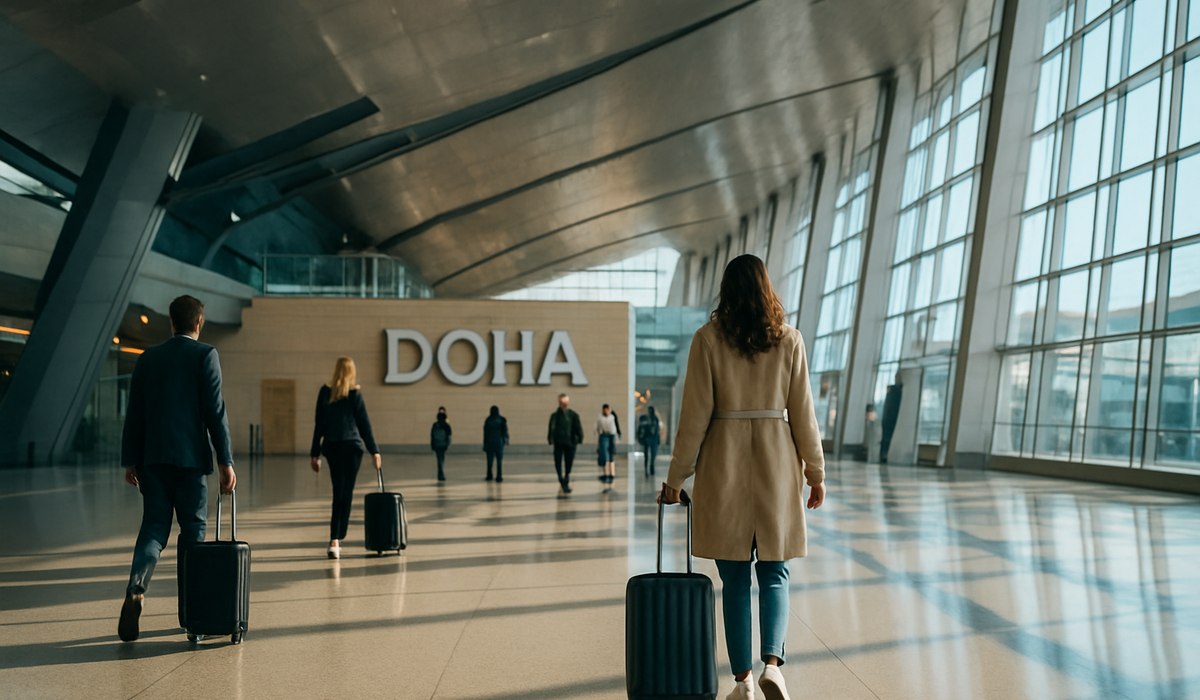
Image generated by AI
Travel Advisor's Middle East Journey Reveals Operational Strength Amid Real Disruptions
A seasoned travel advisor's unplanned stopover in Doha, Qatar during April 2026 has sparked an important conversation about navigating travel to the Middle East. Despite widespread warnings and legitimate safety concerns, on-the-ground experiences suggest operational resilience and exceptional service delivery. The advisor, who faced flight disruptions and rebooking challenges, documented her experience to help travel professionals understand current conditions. Her journey from Brisbane through Doha to Madrid highlighted both the genuine risks travelers face and the surprisingly effective crisis management systems now in place across major Middle Eastern hubs.
Why Travel Advisors Are Warning Clients Away From Middle East Routes
Travel advisors have issued consistent guidance discouraging clients from routing through the Middle East, and for valid reasons. Government travel warnings remain active for several nations in the region. Airspace closures have occurred with limited notice, leaving passengers stranded without insurance coverage or guaranteed assistance. Flight cancellations and extensive delays disrupt itineraries, creating financial losses and logistical nightmares for travelers and their advisors alike.
The complexity intensifies when clients book on codeshare flights with premium positioning. These arrangements offer status credits but introduce additional vulnerability during disruptions. Travel professionals must balance client preferences against operational risks, making each Middle East routing decision a calculated gamble with real consequences.
Yet circumstances sometimes force difficult choices. Canceling entirely means losing prepaid land arrangements. Rebooking on alternative carriers at premium rates strains budgets. Understanding what actually happens when disruptions occur helps advisors provide more informed counsel. Current conditions suggest the situation, while risky, may be more manageable than feared.
One Advisor's Calculated Risk Through Doha
Facing an unplanned overnight stay in Doha, the travel advisor made an unconventional choice: embrace the disruption rather than minimize it. She possessed full awareness of risks—no travel insurance coverage, active government warnings, previous experience with airspace closures, and codeshare flight complexity. Nevertheless, after obsessively tracking FlightRadar data and monitoring departure patterns, she committed to the journey.
The reality tested her resolve. A five-hour delay on the Perth-to-Doha leg created cascading schedule pressure. Mid-flight notifications confirmed her rebooking for the following day. An overnight Doha stay became inevitable. Rather than retreating to her hotel room, she ventured into Souq Waqif with fellow stranded travelers, discovering that the iconic marketplace remained vibrant, welcoming, and operationally normal despite regional tensions.
This deliberate engagement with the unexpected transformed potential frustration into unexpected travel highlights. The experience demonstrated that disruption, while genuinely risky, doesn't necessarily mean deterioration of destination experiences. For travel advisors counseling clients who insist on Middle East routing, this perspective provides valuable reassurance.
Exceptional Operational Handling Amid Genuine Challenges
Qatar Airways' response to her disruption showcased institutional competence under pressure. Arrival procedures moved with remarkable efficiency: ground staff positioned at aircraft doors with destination signs, instant hotel voucher issuance, meal allowances disbursed immediately, and pre-printed boarding passes delivered within five minutes. Through-checked baggage eliminated reboking complications.
This operational excellence extends beyond administrative processing. Staff maintained calm professionalism despite the challenging environment. Passengers received clear communication and tangible support. The hotel proximity to Souq Waqif allowed stranded travelers meaningful destination engagement rather than isolation.
Critically, this level of service doesn't erase risk. Operational resilience in Doha doesn't guarantee against future airspace closures or extended groundings. It demonstrates, however, that major Middle Eastern carriers have invested substantially in disruption management protocols. For travel professionals, this distinction matters enormously when advising clients about potential scenarios.
The travel advisor industry faces pressure to provide "crystal ball" advice about Middle East routing. This firsthand account suggests more honest framing: disruption remains real and consequential, but on-the-ground handling and passenger support have evolved significantly.
Lessons for Travel Advisors and Their Clients
Travel professionals should communicate nuance rather than absolute prohibitions. Government warnings remain valid and should be clearly disclosed. Clients choosing Middle East routing must understand they assume significant personal responsibility if situations deteriorate. Travel insurance becomes non-negotiable, and premium rebooking costs may exceed original booking prices substantially.
Simultaneously, advisors can now reference documented accounts of operational capability during actual disruptions. This contextualizes risk without minimizing it. Clients who insist on Middle East routing despite clear guidance deserve information about current service standards and crisis protocols.
For travel to the Middle East to remain viable long-term, transparency about both risks and capabilities serves everyone. Advisors who acknowledge current complexities while providing evidence-based rather than purely speculative guidance maintain credibility. The April 2026 firsthand account from an experienced travel professional offers concrete data points replacing assumptions.
Advisors should also consider rebooking strategies proactively. Codeshare arrangements introduce vulnerability; direct flights on Gulf Cooperation Council carriers' metal present different risk profiles. Premium rebooking costs may seem excessive initially but represent genuine insurance against extended groundings or airspace closure complications.
Key Data Table: Travel Middle East Conditions and Advisor Response Framework
| Metric | Current Status (April 2026) | Advisor Action Item |
|---|---|---|
| Government Travel Warnings | Active for multiple nations | Mandatory client disclosure |
| Airspace Closure Likelihood | Real but not constant | Insurance coverage essential |
| Ground Service Response Times | Under 5 minutes for rebooking | Documented in major hubs |
| Hotel/Meal Support Provided | Yes, automatic provisioning | Advise clients this occurs |
| Baggage Through-Checking | Operational in disruption events | Minor advantage vs. rebooking hassle |
| Average Delay Duration | 5+ hours documented | Budget 24-hour minimum buffer |
| Codeshare Flight Vulnerability | Elevated complexity | Consider direct routing premium |
| Destination Experience Quality | Maintained despite disruptions | Reassurance for resilient clients |
What This Means for Travelers Navigating Middle East Routes in 2026
Understanding current travel to the Middle East requires balancing genuine risks against operational realities. Here's actionable guidance for travelers and advisors:
-
Assess personal risk tolerance honestly. Middle East routing carries consequences. Airspace closures happen unpredictably. Ask yourself whether destination value justifies potential groundings.
-
Secure comprehensive travel insurance explicitly covering airspace closures and rebooking costs. Standard policies exclude many Middle East scenarios. Premium coverage costs $75-150 but prevents catastrophic expenses.
-
Book direct flights on Gulf Cooperation Council carriers when possible. Qatar Airways, Emirates, and Etihad have invested heavily in disruption protocols. Codeshare arrangements introduce administrative complications.
-
Budget rebooking premium costs upfront. Alternative routing on disruption dates typically costs 40-60% above original fares. Factor this into trip economics before committing.
-
Build 24-hour buffers into connecting itineraries. Documented delays extend 5+ hours regularly. Tight connections guarantee rebooking stress.
-
Monitor real-time flight data continuously. FlightRadar and airline apps provide crucial decision-making information. Track historical patterns before committing to travel dates.
-
Maintain flexibility for destination pivots. Extended Doha layovers can become meaningful experiences if you embrace rather than resist them. Travel advisors should reframe disruptions as potential rather than only problems.
FAQ: Travelers' Common Questions About Middle East Travel in 2026
Q: Is it currently safe to travel via the Middle East in April 2026?
A: Safety involves multiple dimensions. Government warnings remain active, and airspace closure
Disclaimer
This article is for informational and educational purposes only. It does not constitute legal, financial, or professional advice. While we strive to provide accurate and up-to-date information, travel policies, regulations, and conditions change rapidly. Always verify information with official sources before making travel decisions. Nomad Lawyer makes no representations about the accuracy, reliability, completeness, or suitability of the information provided. Readers should consult qualified professionals for advice specific to their circumstances. The views expressed in this article are those of the author and do not necessarily reflect the views of Nomad Lawyer.
Kunal K Choudhary
Co-Founder & Contributor
A passionate traveller and tech enthusiast. Kunal contributes to the vision and growth of Nomad Lawyer, bringing fresh perspectives and driving the community forward.
Learn more about our team →