
Visiting Jeonju South Korea 2026: A Guide to Hanok Heritage and UNESCO Gastronomy Rights
Explore the living history of Jeonju, South Korea, featuring 800+ preserved hanoks and UNESCO gastronomy status, with essential advice on heritage lodging and cultural tourism.

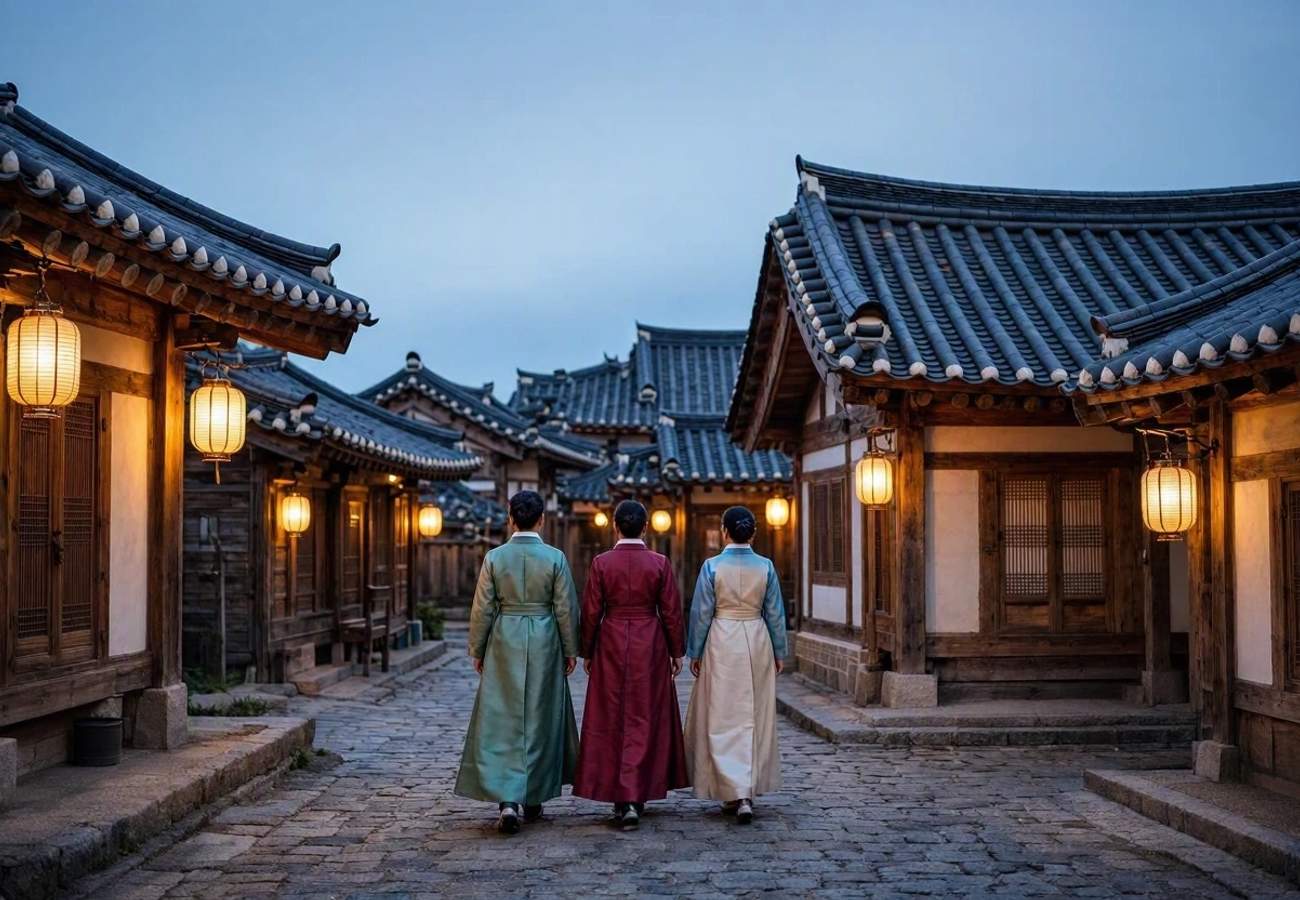
Image generated by AI
Imagine stepping off a high-speed train and immediately entering a world where the scent of aged pine and simmering stews replaces the smog of Seoul. For the modern traveler arriving in Jeonju, the transition is instant: the concrete jungle vanishes, replaced by the curved tiled roofs of hundreds of traditional houses and the soft shuffle of hanbok silk on cobblestone paths.
The Cultural Epicenter of Southwestern Korea
Jeonju serves as the spiritual and ancestral heart of South Korean tradition, acting as a living museum for those seeking authenticity over commercialism. The city is deeply intertwined with the royal lineage of the Joseon Dynasty, specifically the Jeonju Yi clan, making it a site of immense historical gravity. Unlike many heritage sites that feel sterile, Jeonju integrates its Baekje and Joseon Dynasty legacies into a functional, breathing urban environment.
The city has successfully pivoted toward experiential tourism, where visitors are no longer passive observers. From the meticulous preservation of traditional architecture to the hosting of the world-renowned Jeonju International Film Festival, the city blends ancient aesthetics with contemporary global arts. This synergy ensures that while the city honors its past, it remains a relevant hub for international cinema and diplomacy.
Heritage Infrastructure and Visitor Statistics
The scale of Jeonju's preservation efforts is quantifiable. The city has moved beyond simple conservation to create a sustainable economic model based on "living heritage."
| Metric | Detail/Statistic | Impact on Traveler |
|---|---|---|
| Annual Foot Traffic | 11 Million+ Visitors | High demand for lodging; book in advance |
| Preserved Hanoks | 800+ Structures | Diverse options for traditional stays |
| Seoul Capital Area Influx | 32% of total visitors | Peak congestion during Korean holidays |
| UNESCO Status | Creative City of Gastronomy | Guaranteed high standards for authentic food |
| Key Landmark | Gyeonggijeon Shrine | Primary site for Joseon Dynasty history |
Your Rights and Protections in Heritage Tourism
When booking traditional stays (Hanok stays) or participating in cultural workshops in South Korea, travelers should be aware of their consumer protections. While traditional guesthouses operate differently than international hotel chains, they are still subject to Korean tourism laws overseen by the Korea Tourism Organization (KTO).
1. Lodging and Booking Rights: If you book a traditional hanok stay through a third-party platform, your refund rights are typically governed by the platform's terms. However, under South Korean consumer protection guidelines, significant discrepancies between the advertised room (e.g., traditional floor heating/Ondol) and the actual facility may entitle you to a partial refund or a room upgrade.
2. Cultural Experience Contracts: For high-cost workshops (such as professional paper-making or tea ceremonies), ensure you receive a written confirmation of the service. If a scheduled cultural event is cancelled by the provider, you are entitled to a full refund of the deposit.
3. Transport Protections: Most travelers reach Jeonju via KTX. For disruptions on these lines, refer to the Korail refund policy regarding delays and cancellations.
Rebooking and Logistics Strategy
Jeonju is highly accessible, but its popularity requires a strategic approach to avoid the crowds of the 11 million annual visitors.
Transport Alternatives: If KTX tickets to Jeonju are sold out, consider taking a bus from the Seoul Express Bus Terminal. While slower, it provides a more direct route to the city center. For real-time transit tracking and scheduling, Flightradar24 can help you monitor arrivals into nearby airports if you are flying into the region from abroad.
Accommodation Trade-offs:
- Hanok Stays: Offer maximum authenticity but may lack Western-style beds and private bathrooms. Best for short-term immersion.
- Modern Hotels: Provide luxury and accessibility but lack the "soul" of the village. Use these as a base if you have mobility issues.
Culinary Navigation: To avoid "tourist traps" in the Bibimbap districts, seek out eateries that are frequented by locals during the weekday lunch rush. Since Jeonju is a UNESCO Creative City of Gastronomy, the quality is generally high, but the most authentic makgeolli (rice wine) experiences are found in the smaller, family-run alleys rather than the main thoroughfares.
FAQ: Visiting Jeonju 2026
Is a Hanok stay suitable for everyone? Not necessarily. Traditional hanoks often involve sleeping on floor mats (yo) and sharing bathrooms. Those with back issues or a preference for luxury amenities should opt for modern hotels nearby.
What is the best time to visit to avoid crowds? Avoid major Korean national holidays and the peak of the International Film Festival if you dislike crowds. Mid-week visits in spring or autumn offer the best balance of weather and tranquility.
Can I get a refund for cancelled cultural workshops? Yes, provided you have a booking record. Most reputable operators in the Hanok Village adhere to standard consumer protection laws regarding service cancellations.
How do I get from Seoul to Jeonju efficiently? The KTX high-speed train is the fastest option, typically taking under 2 hours. Booking through the official Korail app is the most reliable method.
Jeonju is not merely a destination to be seen, but a living legacy to be felt.
Related Travel Guides
Disclaimer
This article is for informational and educational purposes only. It does not constitute legal, financial, or professional advice. While we strive to provide accurate and up-to-date information, travel policies, regulations, and conditions change rapidly. Always verify information with official sources before making travel decisions. Nomad Lawyer makes no representations about the accuracy, reliability, completeness, or suitability of the information provided. Readers should consult qualified professionals for advice specific to their circumstances. The views expressed in this article are those of the author and do not necessarily reflect the views of Nomad Lawyer.
Raushan Kumar
Founder & Lead Developer
Full-stack developer with 11+ years of experience and a passionate traveller. Raushan built Nomad Lawyer from the ground up with a vision to create the best travel and law experience on the web.
Learn more about our team →