
Masirah Island Kitesurfing Finale: Why You Need to Visit Oman’s Wind Paradise Now
Masirah Island Kitesurfing Finale: Why You Need to Visit Oman’s Wind Paradise Now

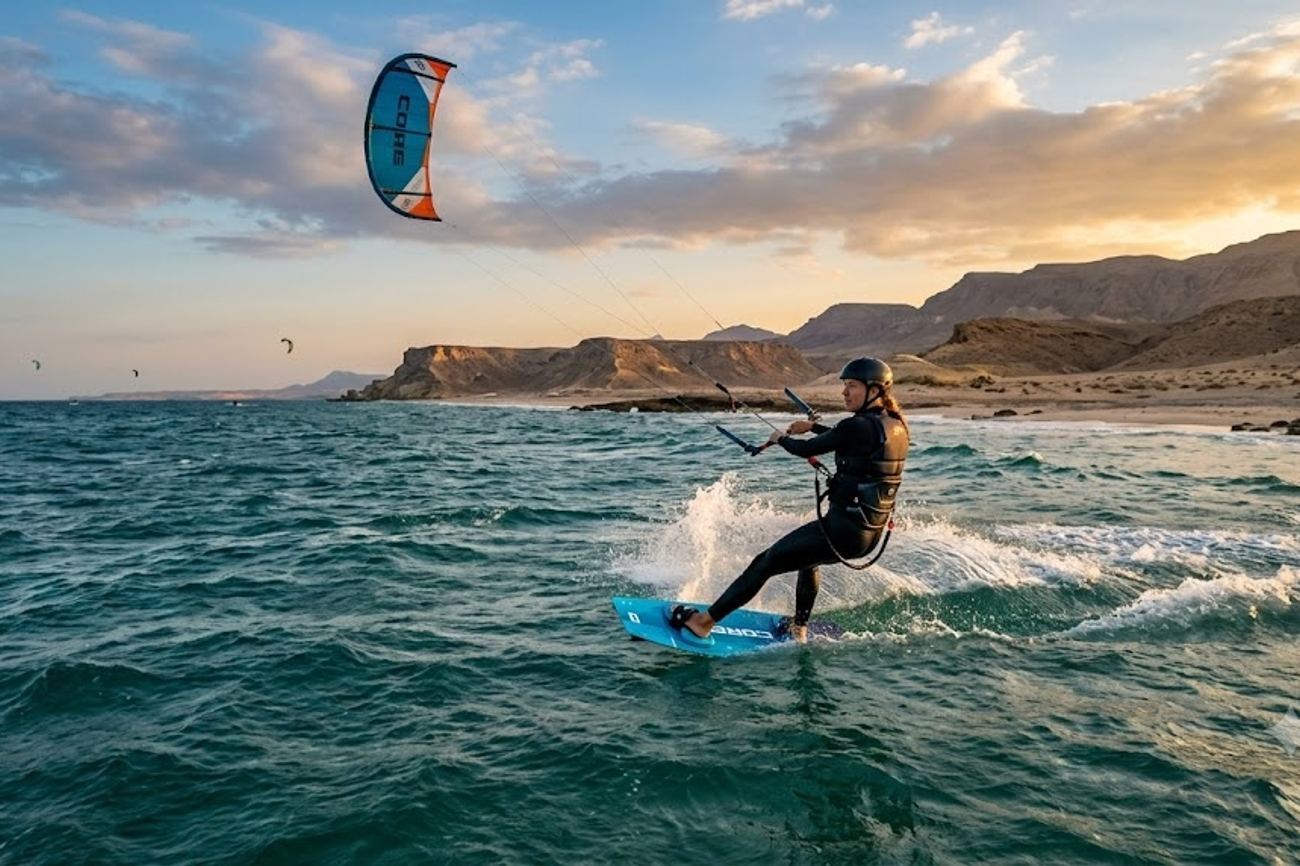
Image generated by AI
20 to 30 knots of consistent wind speed define the peak operational window for Masirah Island, creating a high-velocity corridor that sustains a specialized tourism economy from May through late September. This atmospheric reliability, driven by the southwest monsoon—locally termed the Khareef—transforms Oman’s largest island into a global hub for high-performance wind sports. However, as September concludes, this meteorological engine begins to stall, triggering a systemic shift in the island's logistical demands and visitor demographics.
The Mechanics of the Khareef Transition
The wind dynamics of Masirah are not random; they are the result of a precise interaction between the southwest monsoon and thermal enhancements. For the duration of the peak season, the island functions as a natural wind tunnel, providing the steady south-southwesterly flow required for professional-grade kitesurfing. This period is characterized by extreme intensity, often pushing beyond the 30-knot average and occasionally exceeding 35 knots, necessitating the use of specialized, smaller kite sizes ranging from 7m to 9m.
As the calendar shifts into October, the thermal systems that fuel these gales begin to moderate. The transition is not abrupt but manifests as a gradual decay in wind velocity and a shift toward variable breezes. This atmospheric cooling marks the end of the "high-performance" era. For the local economy, this is a pivot point. The infrastructure supporting adrenaline-based tourism—gear rentals, specialized coaching, and high-impact hospitality—must rapidly transition to accommodate a quieter, ecotourism-focused crowd interested in the region's biodiversity.
Spatial Analysis of the Coastal Decline
The impact of the seasonal fade is not uniform across the island. Different coastal zones experience the wind's retreat in varying ways, affecting how athletes utilize the remaining window.
| Coastal Zone | Peak Season Characteristic | Late Season Transition | Primary User Group |
|---|---|---|---|
| Hilf Coastline | Shallow flats; predictable cross-shore wind | Diminishing wind predictability; warm water | Intermediate Riders |
| Southern Lagoons | Flat-water; sandbar protection | Tidal movements supersede thermal winds | Freestyle Specialists |
| Eastern Beaches | Open Arabian Sea swells; massive waves | Transition to cleaner, smaller sets | Wave-Riding Experts |
The Hilf Coastline, located near the island's administrative center, serves as the primary entry point for those seeking progression. As the season closes, the reliability of the cross-shore wind fails, making it less viable for structured training. In the Southern Lagoons, the dominance of the wind is replaced by the dominance of the tide. This shift requires a higher level of navigational planning, as the flat-water conditions that attracted freestyle kiters throughout the summer become subject to the rhythms of the ocean rather than the push of the monsoon.
Masirah Island is renowned for its consistent thermal winds, making it a premier global destination for high-performance kitesurfing. Travelers can explore the region's diverse landscapes and cultural heritage through resources provided by Experience Oman, the official tourism portal.
On the Eastern Ocean-Facing Beaches, the decline of the monsoon swell actually creates a brief, secondary window of opportunity. The overhead, hazardous waves of mid-summer are replaced by smaller, cleaner sets. This allows wave-kiters to test their equipment in a less volatile environment before the winter calm sets in.
Expert Analysis: The Logistics of Remoteness
For the traveler, the allure of Masirah is tempered by a formidable logistical barrier. The island is not a "fly-in, fly-out" destination; it is a multi-modal transit challenge. Access requires a coordinated effort involving the Shannah port ferry system and the procurement of four-wheel-drive (4WD) vehicles. Because the coastal roads are unpaved and rough, the reliance on 4WD is not a luxury but a legal and practical necessity for navigation.
The direct consequence of this remoteness is a lack of permanent rescue infrastructure. While the [Oman Ministry of Heritage and Tourism](https://www.oman tourism.gov.om) promotes the region's natural beauty, the reality is that Masirah is a high-risk environment for the unprepared. The absence of a robust emergency response network means that the "shoulder months" of May and September—while offering milder winds—are still unsuitable for absolute beginners. The risk of being stranded or injured in open-ocean conditions without immediate support makes independent experience a prerequisite for visiting.
Furthermore, the transition from wind sports to ecotourism creates a delicate regulatory tension. Masirah is a critical nesting ground for endangered loggerhead turtles. As the kitesurfers depart and the wildlife observers arrive, the pressure on the ecosystem shifts from noise and gear interference to foot traffic and camping encroachment. The enforcement of strict waste disposal and designated camping zones is the only thing preventing the seasonal tourism surge from permanently degrading the habitat. This creates a pricing and access pressure; as the island moves toward a more sustainable, low-impact model, the cost of compliant, eco-friendly lodging is likely to rise, pricing out the traditional "dirt-bag" adventurer in favor of the high-spend ecotourist.
Accessing the island typically requires a flight to Muscat followed by a domestic journey or overland transit to the ferry terminal. Visitors should ensure all travel documents and visa requirements are verified via the Royal Oman Police official e-visa portal to ensure seamless entry.
Key Takeaways
- Wind Window: The peak kitesurfing season is strictly limited from May to late September, with wind speeds averaging 20-30 knots.
- Equipment Needs: High-season conditions require small kites (7m to 9m) due to frequent gusts exceeding 35 knots.
- Access Requirements: Entry requires a vehicle ferry from Shannah port and a mandatory 4WD vehicle for unpaved island transit.
- Safety Warning: Due to a lack of permanent rescue infrastructure, the island is unsuitable for beginner kiters regardless of wind speed.
- Environmental Mandate: Visitors must adhere to strict coastal navigation and camping rules to protect endangered loggerhead turtle nesting sites.
FAQ: Masirah Island Travel 2024
When is the best time to visit Masirah for wind sports? The optimal window is between May and late September. This period aligns with the southwest monsoon (Khareef), providing the most consistent wind speeds of 20 to 30 knots.
Do I need a special vehicle to explore the island? Yes. A four-wheel-drive (4WD) vehicle is essential. The coastal roads are unpaved and rough, making standard vehicles impractical and potentially dangerous for navigation.
Is Masirah Island suitable for beginner kitesurfers? Generally, no. While winds are milder in May and September, the remote location and lack of permanent rescue infrastructure make it a destination for independent, experienced riders.
What environmental rules must I follow on the island? You must camp only in designated areas and follow strict waste disposal guidelines. This is critical to protect the nesting grounds of the endangered loggerhead turtles.
The wind eventually dies, but the logistical challenge of Masirah remains a rite of passage for the global adventure community.
Related Travel Guides
- Italy Cruise Travel Boom: Costa Cruises Unlocks Big Savings Across Mediterranean and Caribbean Voyages
- Carnival Jubilee Expands Caribbean Cruise Options From Galveston With New Short Trips and Island Adventures
- Seabourn Alaska Cruises 2027 Unveil Luxury Voyages With Denali Adventures and Glacier Experiences
Disclaimer
This article is for informational and educational purposes only. It does not constitute legal, financial, or professional advice. While we strive to provide accurate and up-to-date information, travel policies, regulations, and conditions change rapidly. Always verify information with official sources before making travel decisions. Nomad Lawyer makes no representations about the accuracy, reliability, completeness, or suitability of the information provided. Readers should consult qualified professionals for advice specific to their circumstances. The views expressed in this article are those of the author and do not necessarily reflect the views of Nomad Lawyer.
Preeti Gunjan
Contributor & Community Manager
A passionate traveller and community builder. Preeti helps grow the Nomad Lawyer community, fostering engagement and bringing the reader experience to life.
Learn more about our team →