
Marrakech Steps Up with Cape Town and More Places to Counter Nearly 5% African Tourism Decline in July with Discounts and Incentives
Marrakech Steps Up with Cape Town and More Places to Counter Nearly 5% African Tourism Decline in July with Discounts and Incentives

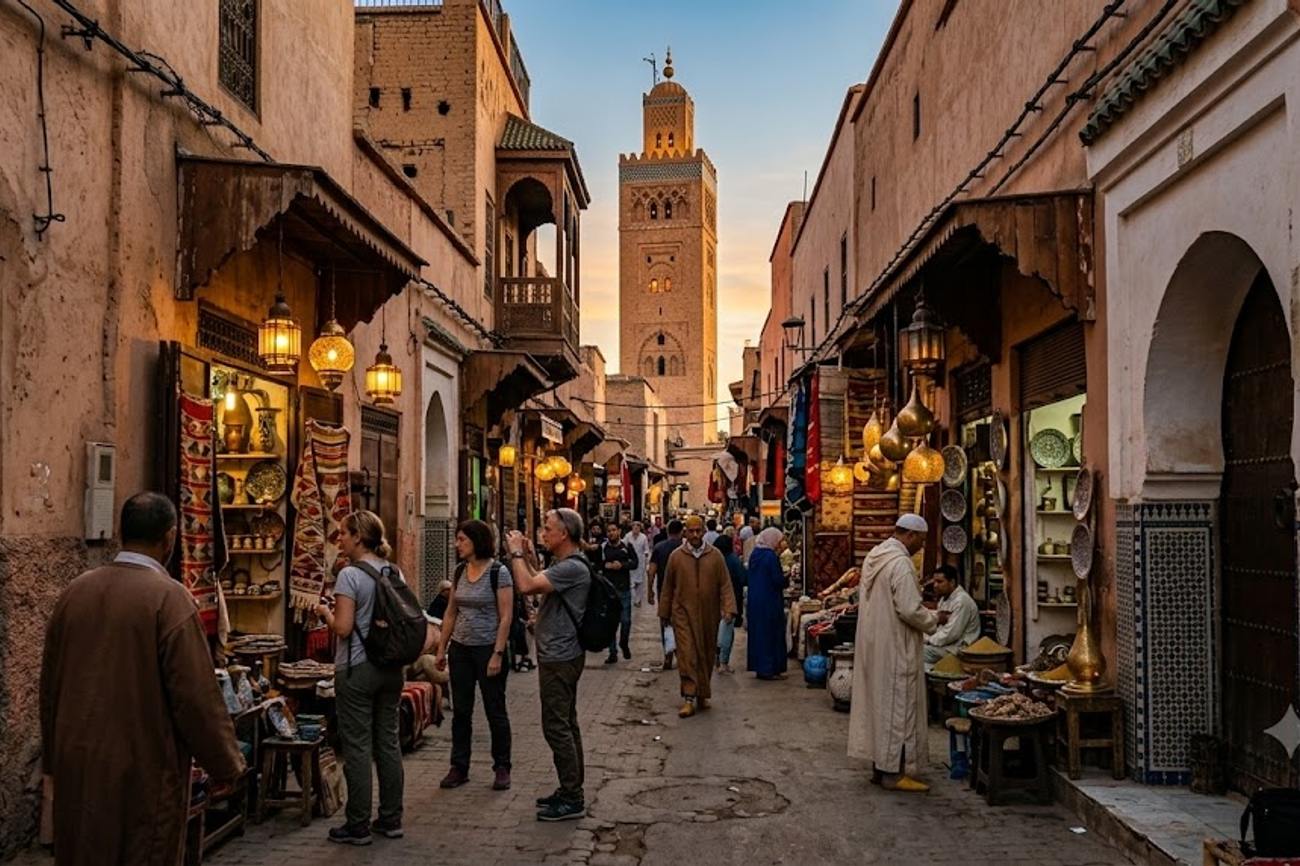
Image generated by AI
Travelers planning excursions to South Africa and North Africa this month may find themselves in a unique position as regional governments launch aggressive financial incentives to combat a projected 5% dip in July tourism. If you are currently booking a trip to Cape Town or Marrakech, you are entering a market where state-subsidized discounts and targeted incentives are being deployed to offset global inflationary pressures.
The July 2026 Tourism Volatility Event
The global travel landscape in mid-2026 has been defined by a sharp contrast between post-pandemic recovery and new macroeconomic headwinds. High inflation in North American and European source markets, combined with volatile aviation fuel costs and geopolitical instability, created a forecasted contraction for the African tourism sector. Early industry metrics suggested a potential decline of nearly 5% in July, a period that is traditionally a peak season for North Africa and a critical window for Southern Africa.
This projected slump was not merely a statistical concern but a threat to the foreign exchange earnings of several nations. The United Nations World Tourism Organisation (UN Tourism) had previously cautioned that global conflicts and economic stagnation could reduce international growth forecasts by 1 to 2 percentage points. For African hubs, where the perception of stability and value is paramount, these global shifts threatened to drive long-haul travelers toward domestic "staycations" in their home countries.
In response, government ministries and national tourism boards transitioned from passive observation to aggressive intervention. Rather than accepting a downturn, cities like Cape Town and Marrakech implemented fiscal strategies to artificially stimulate demand. This included the rollout of massive subsidies for domestic travel and heavy discounting of premium international experiences to ensure that hotel occupancy remained stable and local livelihoods—from luxury hoteliers to independent artisans—were protected.
Affected Regions and Strategic Hubs
While the projected 5% decline was a continental concern, the response has been most concentrated in the following high-traffic hubs:
- Cape Town, South Africa: Utilizing the Cape Town Air Access (CTAA) program and the "You Don't Need a Holiday" domestic campaign to maintain volume.
- Marrakech, Morocco: Implementing aggressive discounts and targeted incentives to capture the Northern Hemisphere summer holiday crowd.
- North African Coastal Hubs: Deploying state-backed marketing to prevent the shift toward European domestic travel.
- Western Cape Region: Leveraging government-funded incentive programs to lower the cost of entry for international visitors.
Your Rights as a Passenger
When traveling to these regions during periods of economic volatility and aggressive re-marketing, passengers must remain aware of their rights regarding flight disruptions, as airlines often adjust capacities during forecasted dips.
For flights departing from the EU or UK: Under EU 261/2004 and the equivalent UK CAA guidelines, passengers are entitled to significant protections if their flights to Africa are cancelled or delayed. If a flight is cancelled with less than 14 days' notice, passengers on routes exceeding 3,500 km (which applies to most flights to Cape Town or Marrakech) are entitled to €600 / £520 in compensation, provided the cancellation was not due to "extraordinary circumstances." You can verify your specific rights through the UK Civil Aviation Authority.
For flights departing from the United States: While the US does not have a direct equivalent to EU261 for monetary compensation on delays, the US Department of Transportation (DOT) mandates that passengers are entitled to a full refund of the ticket price if a flight is cancelled and the passenger chooses not to travel on the alternative offered.
Duty of Care: Regardless of the cause of the disruption, if you are stranded at an airport during a delay, the operating carrier is generally required to provide meals, refreshments, and hotel accommodation if an overnight stay becomes necessary.
Rebooking Strategy and Alternatives
If you are facing a cancellation or are looking to take advantage of the current July incentives, consider the following tactical approach:
1. Leverage the "Value Gap" With Cape Town and Marrakech aggressively discounting ground services to offset high airfares, now is the time to negotiate. If your flight costs have spiked due to fuel volatility, check for "open-jaw" tickets (e.g., flying into Marrakech and out of Cape Town) to maximize the value of your regional transit.
2. Monitor Flight Status in Real-Time Given the volatility of the 2026 travel season, do not rely solely on email notifications. Use FlightRadar24 or FlightAware to track your incoming aircraft. If you see your aircraft is stalled at a hub, you can proactively contact the airline to request rebooking before the general passenger rush.
3. Competitor Pivot If a primary carrier cancels your route to South Africa, look for alternative hubs. For example, if a direct London-Cape Town flight is cancelled, check connections through Addis Ababa (Ethiopian Airlines) or Doha (Qatar Airways). These carriers often have more flexible re-accommodation policies during regional disruptions.
4. Refund vs. Credit In the current inflationary environment, a cash refund is almost always superior to a travel voucher. If the airline offers a voucher to avoid a refund, remember that under DOT and EU rules, you are entitled to the original form of payment if the airline cancels the flight.
FAQ: African Tourism Disruption 2026
Am I entitled to compensation for a cancelled flight to Cape Town? Yes, if the flight departed from the EU/UK and the cancellation occurred less than 14 days before departure, you may be eligible for up to €600/£520, unless the airline can prove extraordinary circumstances.
Can I get a full refund if my flight is cancelled? Yes. Under US DOT and EU/UK regulations, if your flight is cancelled and you choose not to take the alternative flight offered, you are entitled to a full refund of the unused portion of your ticket.
What are the best alternative routes to North Africa right now? If direct flights to Marrakech are unavailable, consider flying into Casablanca (CMN) and using the high-speed rail network to reach your destination, or checking flights via Madrid or Lisbon.
How do I claim the "aggressive discounts" mentioned for July? These are typically applied via official national tourism boards or integrated into hotel booking platforms. Check the official Cape Town Tourism or Moroccan National Tourism Office portals for current incentive codes.
Stay vigilant with your bookings and ensure your travel insurance covers macroeconomic-driven carrier insolvency.
Related Travel Guides
Disclaimer
This article is for informational and educational purposes only. It does not constitute legal, financial, or professional advice. While we strive to provide accurate and up-to-date information, travel policies, regulations, and conditions change rapidly. Always verify information with official sources before making travel decisions. Nomad Lawyer makes no representations about the accuracy, reliability, completeness, or suitability of the information provided. Readers should consult qualified professionals for advice specific to their circumstances. The views expressed in this article are those of the author and do not necessarily reflect the views of Nomad Lawyer.
Raushan Kumar
Founder & Lead Developer
Full-stack developer with 11+ years of experience and a passionate traveller. Raushan built Nomad Lawyer from the ground up with a vision to create the best travel and law experience on the web.
Learn more about our team →