Malaysia's Explore Sabah Initiative Bridges Kota Kinabalu Gateways and Rural Homestays Ahead of Visit Sabah Year 2027

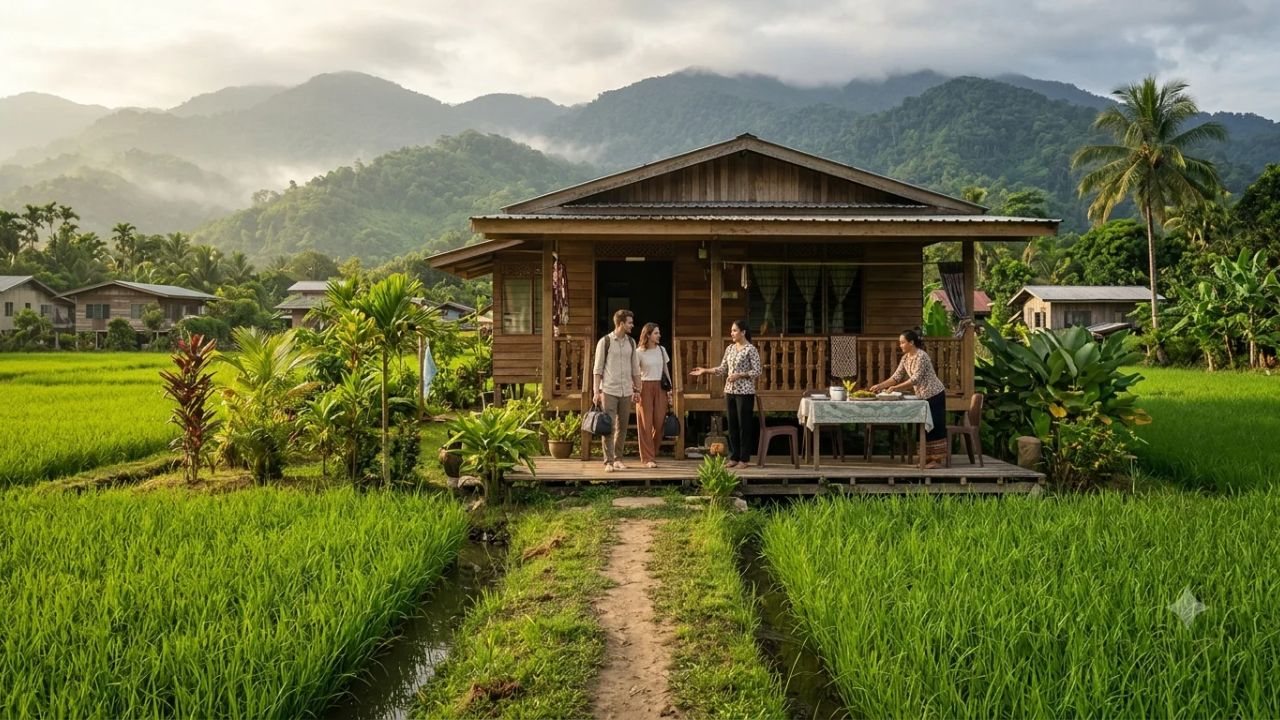
As Sabah prepares for Visit Sabah Year 2027 and plans an expansion of Kota Kinabalu International Airport, state tourism authorities are developing rural transit frameworks to turn urban gateway visits into community-based village overnights.
With annual visitor arrivals rebounding past 3.8 million and generating RM8.74 billion in tourism receipts, the Malaysian state of Sabah faces an economic distribution challenge. While international travelers flow steadily through the coastal capital of Kota Kinabalu to access waterfront resorts, offshore islands, and Mount Kinabalu day excursions, rural farming and indigenous communities located under two hours away frequently miss out on direct overnight visitor spending.
Ahead of the strategic Visit Sabah Year 2027 campaign, the state’s Explore Sabah initiative is evaluating how to bridge this gap. By focusing on accessible districts such as Kota Belud—home to established highland homestays like Tanak Nabalu, Nopungguk, and Tegudon Tourism Village—tourism planners and local operators are building structured booking models. These models aim to package accommodation, traditional Dusun meals, and guaranteed two-way road transfers, allowing independent city-break travelers to experience authentic Bornean village culture without the logistical friction of navigating isolated rural roads.
SABAH TOURISM INDUSTRY & COMMUNITY-BASED BASELINE METRICS
| Economic / Tourism Metric | Recorded Data / Official Figure | Strategic Source & Context |
|---|---|---|
| Annual Visitor Arrivals | 3.8 million arrivals (+20.5% YoY) | Sabah Tourism Board / 2025 |
| Annual Tourism Receipts | RM 8.74 billion (~$1.96 billion USD) | Ministry of Tourism Sabah |
| First-Half 2026 Arrivals | 1.9 million arrivals (+8.2% YoY) | Mid-year trajectory metric |
| Tourism Gross Value Added | RM 13.7 billion (12.0% of State GDP) | Department of Statistics MY |
| Tourism Sector Employment | 362,700 workers (22.4% state jobs) | DOSM Employment Report |
| KKIA Airport Capacity Target | Expanding from 9M to 12M passengers | Sabah State Budget 2026 |
| Strategic Campaign Horizon | Visit Sabah Year 2027 (VSY2027) | State Sustainable CBT Focus |
| Key Pilot District | Kota Belud (43 km / 1.5h from KK) | Highland Dusun & Bajau hubs |
The Gateway Imbalance: Why Sabah Needs Rural Dispersion
Kota Kinabalu International Airport (KKIA) serves as the second-busiest aviation gateway in Malaysia, operating direct flight links to major hubs including Kuala Lumpur, Singapore, Seoul, Taipei, Hong Kong, and Shanghai. However, the geographic concentration of visitor spending remains heavily skewed.
The vast majority of overseas arrivals remain inside an urban corridor bounded by Kota Kinabalu's waterfront hotels and luxury beachfront properties in Tanjung Aru. When visitors do leave the capital, travel patterns typically follow rigid, highly compressed channels:
- Fast-paced day tours traveling to Kinabalu Park and the Kundasang vegetable valleys that return to city hotels by nightfall.
- Direct domestic flights transferring divers directly to Tawau and Semporna for the marine reserves of Sipadan and Mabul.
- River safari day excursions along the Klias or Weston wetlands for brief proboscis monkey sightings and firefly watching.
TRADITIONAL VS. INTEGRATED COMMUNITY VISITOR FLOWS
Traditional Concentrated Flow:
[KKIA Airport] ----> [Kota Kinabalu Waterfront Resort] ----> [Bus Day Excursion] ----> [Return to KK]
                                                              (Kundasang / Klias)     (Zero rural bed spend)

Proposed Explore Sabah Dispersed Model:
[KKIA Airport] ----> [City Hotel Night 1]
                            |
                            v
                    [Pre-Arranged Rural Transfer]
                            |
                            v
                    [Kota Belud Homestay Night 2]
                    - Tanak Nabalu / Nopungguk
                    - Traditional Dusun Dinner
                    - River Tagal & Cultural Trek
                            |
                            v
                    [Return Transfer to City] ----> [City Hotel Night 3] ----> [Departure Flight]
The Economic Case for the Rural Overnight
According to data compiled by the Department of Statistics Malaysia (DOSM), tourism represents 12.0 percent of Sabah’s total economic output, generating RM13.7 billion in Gross Value Added and employing 362,700 people—more than one in five jobs statewide.
Despite these headline figures, rural farming households often capture only nominal roadside spending from transit tourists buying bottled water or seasonal fruits. A day visitor stopping for thirty minutes at a roadside view deck contributes an estimated RM10 to RM25 to the rural economy. In contrast, an independent traveler booking an all-inclusive overnight village stay injects between RM180 and RM350 directly into the village. This expenditure supports:
- Direct accommodation revenue for the host family.
- Income for local farmers supplying indigenous ingredients for traditional home-cooked meals.
- Wages for village youth acting as nature interpreters and trekking guides.
- Conservation fees that maintain communal river management systems (Tagal) and community-owned hiking paths.
The Kota Belud Corridor: A Living Blueprint for Community Tourism
Situated approximately 43 kilometers northeast of Kota Kinabalu by road, the district of Kota Belud represents the primary testing ground for Sabah’s village tourism expansion. Geographically positioned between the western coastal plains and the granite ramparts of Mount Kinabalu, the district blends dramatic topography with rich indigenous cultural traditions.
PROMINENT COMMUNITY-BASED TOURISM SITES IN KOTA BELUD
| Community Facility | Village Location & Elevation | Operational Offerings & Landscape |
|---|---|---|
| Tanak Nabalu Homestay | Kampung Lobong-Lobong | Homestay rooms, campsite, Dusun |
| Elevation: ~650m (Cool highland) | home cooking, Kinabalu vistas | |
| Nopungguk Homestay | Kampung Nopungguk | Traditional wooden architecture, |
| Foothills of Mount Kinabalu | indigenous agriculture, guided hikes | |
| Tegudon Tourism | Kampung Tegudon | Iconic suspension bridge, gravel |
| Village (TTV) | Riverside gravel plains | riverside camping, stargazing |
| Nohutu Eco-Tourism | Kampung Nohutu | Riverside eco-camp, culinary classes |
| Kadamaian river basin | featuring foraged forest botanicals |
1. Tanak Nabalu Homestay: Heritage on the Mountain Approach
Listed officially by the Sabah Tourism Board, Tanak Nabalu Homestay in Kampung Lobong-Lobong sits at an elevation of roughly 650 meters above sea level along the scenic Tamparuli–Ranau arterial route.
The cool elevation offers travelers a temperate climate markedly different from the humid tropical heat of coastal Kota Kinabalu. From the homestay verandas, guests look directly at the jagged northern face of Mount Kinabalu. The site provides clean, comfortable guest rooms alongside managed camping platforms.
Guests participate in daily village routines:
- Harvesting seasonal mountain vegetables and herbs alongside Dusun elders.
- Learning traditional food preparation methods, including dishes made from wild bamboo shoots, river greens, and tuhau (a wild ginger root condiment prepared with chili and lime).
- Guided interpretive walks through community-managed rubber smallholdings and fruit orchards.
2. Tegudon Tourism Village: Riverside Regeneration
Further along the Kadamaian river basin, Tegudon Tourism Village (TTV) demonstrates how community consensus can transform a flood-prone river gravel flat into a sustainable eco-tourism hub. Managed entirely by village committee members, TTV is renowned for its panoramic views of Mount Kinabalu reflected in crystal-clear mountain streams.
The village features a dramatic pedestrian suspension bridge, designated riverside camping spots, and basic homestay chalets. By limiting concrete development and prioritizing low-impact recreational activities—such as swimming in designated river sanctuaries and nighttime stargazing away from city light pollution—Tegudon has become a benchmark for youth-led eco-tourism in Borneo.
KOTA BELUD RURAL TOURISM CLUSTER LAYOUT
[Kota Kinabalu City]
         |
         | (1.5-Hour Scenic Highway Drive)
         v
[Tamparuli Suspension Bridge & Cultural Junction]
         |
         +---> [Lower Kadamaian Basin: Tegudon Tourism Village (TTV)]
         |     - Riverside gravel plains & suspension bridge
         |     - Lowland cultural river walks
         |
         +---> [Highland Foothills (Elevation 650m): Tanak Nabalu Homestay]
         |     - Kampung Lobong-Lobong
         |     - Direct unobstructed Mount Kinabalu vistas
         |     - Dusun culinary experiences
         |
         +---> [Eco-Valley: Nohutu Eco-Tourism & Nopungguk]
               - Foraged forest botanicals & riverside camping
               - Traditional timber architecture
Solving the Last-Mile Bottleneck: The Three Prerequisites of Independent Stays
While the cultural and scenic appeal of Sabah’s villages is undeniable, independent international visitors face clear operational barriers when trying to step outside packaged group bus tours.
To turn potential demand into confirmed village stays, the Explore Sabah framework identifies three logistical prerequisites that hosts and operators must solve:
THE THREE PILLARS OF INDEPENDENT VILLAGE HOMESTAY CONVERSION
| Entity / Route | Metrics | Operational Status |
|---|---|---|
| Operational Pillar | Existing Traveler Pain Point | Practical Operational Solution |
| 1. Guaranteed Two-Way | E-hailing apps (Grab) work from KK | Bundled private village transfers |
| Road Transport | to villages, but return rides cannot | arranged directly with village |
| be booked from rural areas | drivers at a fixed round-trip rate | |
| 2. Transparent, | Unclear whether room rates include | Itemized package pricing confirming |
| All-Inclusive Rates | dinner, breakfast, activity fees, or | room, three family-style meals, |
| communal conservation permits | local guide, and conservation fees | |
| 3. Pre-Trip Host | Language barriers, delayed WhatsApp | Direct contact confirmation via |
| Confirmation | replies, uncertain check-in timing | accredited tourism board directories |
| when arriving by private vehicle | with exact GPS arrival markers |
The Ride Problem: Navigating Rural Transport Realities
The primary deterrent for car-free international travelers visiting Sabah is the return journey. From downtown Kota Kinabalu, modern digital e-hailing applications like Grab operate smoothly. A traveler can easily hail a driver to travel 45 kilometers out to Kampung Lobong-Lobong in Kota Belud.
However, once dropped off in a mountain village, digital app coverage ceases to be effective. Local drivers rarely log onto ride-hailing networks in rural communities. An independent traveler who fails to pre-arrange a return journey faces the prospect of being stranded or paying exorbitant impromptu charter fees to return to the city.
The solution requires formalizing local transport networks:
- Community-based tourism cooperatives are establishing dedicated driver panels composed of licensed local village van operators.
- Homestay bookings are increasingly structured to include scheduled pickup from Kota Kinabalu hotels at 9:00 AM and return drop-off by 2:00 PM the following afternoon.
- By guaranteeing the return ride before departure, travelers can confidently check out of city accommodations without anxiety about missing onward flights.
The Pricing Dilemma: Eliminating Transaction Friction
In traditional homestay operations, pricing structures often appear ambiguous to international tourists accustomed to online hotel portals. A listed room rate of RM80 per night may appear attractive, but confusion arises when hosts request extra cash payments for home-cooked dinners, guided walks, or village entry permits.
Accredited operators under the Explore Sabah framework are adopting transparent, bundled pricing. An all-inclusive village stay package clearly delineates:
- Accommodations: Private room with clean bedding, mosquito netting, and fan or natural highland ventilation.
- Food & Beverage: Traditional welcome tea, three-course Dusun family dinner, and hearty morning breakfast.
- Cultural Experiences: Guided medicinal plant walk or village river visit.
- Transport: Round-trip private transfer connecting downtown Kota Kinabalu and the village doorstep.
Aviation and Urban Infrastructure: Expanding KKIA for 2027
The push to decentralize visitor spending aligns directly with major state infrastructure investments. Under the Sabah State Budget 2026, authorities outlined comprehensive modernization plans for Kota Kinabalu International Airport (KKIA).
KOTA KINABALU INTERNATIONAL AIRPORT (KKIA) UPGRADE PROGRAM
| Infrastructure Metric | Current Operational Baseline | 2026–2027 Expansion Target |
|---|---|---|
| Annual Passenger Cap | 9.0 Million Passengers per Annum | 12.0 Million Passengers per Annum |
| International Gates | Constrained widebody gate capacity | Extended aerobridges & baggage bays |
| Direct Flight Network | Key Asian gateways (ICN, TPE, HKG) | Expansion into secondary cities |
| Transit Facilities | Basic terminal transfer counters | Dedicated regional CBT travel desks |
The Airport Expansion Dynamic
By increasing passenger capacity from nine million to twelve million travelers annually, KKIA is preparing for a projected surge in overseas leisure arrivals ahead of Visit Sabah Year 2027.
However, state tourism planners recognize that expanding airport terminal capacity without developing rural absorption capacity risks creating severe urban bottlenecks:
- Waterfront hotels in central Kota Kinabalu already operate near capacity during peak holiday seasons (Lunar New Year, Golden Week, and European summer vacations).
- Over-concentration in the city creates traffic congestion, strains municipal waste systems, and inflates hotel rates for domestic Malaysian travelers.
- Channeling a modest five to eight percent of arriving airport passengers into structured rural village stays distributes economic benefits directly into rural districts while easing urban hotel pressure.
Indigenous Stewardship: The Tagal System and Cultural Heritage
Beyond scenic mountain vistas, what makes community-based tourism in Sabah unique is its living connection to indigenous cultural governance. In Kota Belud, community tourism is inextricably linked with traditional environmental stewardship practiced by the Dusun and Bajau communities.
INDIGENOUS STEWARDSHIP & CULTURAL PILLARS IN RURAL SABAH
| Entity / Route | Metrics | Operational Status |
|---|---|---|
| Cultural Institution | Traditional Governance Mechanism | Community Ecotourism Application |
| The Tagal System | Customary river management law | Protects freshwater fish stocks; |
| dividing waterways into usage zones | allows visitors to swim with tame | |
| strictly enforced by village elders | river carp (Ikan Kelah) | |
| Dusun Highland | Terraced wet-paddy and organic | Farm-to-table culinary experiences |
| Agriculture | hill-rice cultivation systems | using indigenous heritage grains |
| Bajau Samah Equine | Traditional horse-rearing and | Cultural demonstrations, vibrant |
| Heritage | hand-crafted ceremonial weaving | textile workshops, and trail rides |
The Tagal River Conservation Framework
One of the most successful community conservation models in Southeast Asia is Sabah’s indigenous Tagal system (known in some dialects as Bombon). Instituted by village headmen in partnership with the Sabah Fisheries Department, Tagal divides local rivers into three distinct functional zones:
- Red Zone (Complete Sanctuary): Strictly no fishing or harvesting permitted at any time. This zone serves as the permanent breeding pool for river species.
- Orange Zone (Controlled Ecotourism): Recreational access permitted for controlled swimming and fish-feeding, but zero harvesting. Visitors can wade into clear mountain pools where schools of river carp (Tor tambroides, locally known as Pelian) swim openly around their feet.
- Green Zone (Open Harvest): Communal fishing permitted only during designated village festival windows once or twice a year to ensure equitable food distribution.
By incorporating Tagal river sanctuaries into village homestay itineraries, communities in Kota Belud provide travelers with an unforgettable ecological encounter while demonstrating the tangible power of indigenous customary law in preserving pristine freshwater habitats.
The Sandwich Itinerary: Structuring a Village Stay into a City Break
For independent travelers planning a multi-day journey to Malaysian Borneo, structuring a rural homestay requires thoughtful scheduling. The most reliable format is the "Sandwich Itinerary", which places the rural village overnight comfortably between two urban hotel stays in Kota Kinabalu.
THE RECOMMENDED "SANDWICH ITINERARY" ARCHITECTURE
Day 1: [Arrive at KKIA] ----> [Check into Downtown KK Hotel] ----> [Waterfront Seafood Dinner]
                                            |
                                            v
Day 2: [Morning Hotel Pickup] ----> [Scenic 1.5h Drive to Kota Belud]
                                            |
                                            v
       [Check in Tanak Nabalu Homestay / Village Cultural Walk / Tagal River Visit / Sunset Kinabalu View]
                                            |
                                            v
Day 3: [Sunrise Mountain Photography / Village Breakfast] ----> [Midday Return Drive to KK]
                                            |
                                            v
       [Check into Downtown KK Hotel] ----> [Gaya Street Evening Market / Leisure Walking]
                                            |
                                            v
Day 4: [Leisure Breakfast] ----> [Short 15-Minute Airport Transfer] ----> [Departure Flight]
Why the Sandwich Structure Works
- Luggage Management: Travelers can leave large rolling suitcases with the concierge of their Kota Kinabalu city hotel, packing only a lightweight backpack with overnight essentials, walking shoes, and a light jacket for the cool highland evening.
- Flight Buffer Protection: Placing a city night between the rural stay and the departing flight eliminates the catastrophic risk of road closures, tropical landslides, or transport delays causing missed international flights.
- Pacing and Contrast: Experiencing the energetic culinary culture of Kota Kinabalu followed by the tranquil silence of an off-grid mountain village provides a balanced overview of Bornean life.
Practical Traveler Guide: Planning a Sabah Village Homestay
To ensure a smooth and culturally respectful homestay experience in Kota Belud or surrounding districts, international travelers should follow these essential field protocols:
PRACTICAL TRAVELER CHECKLIST FOR RURAL SABAH HOMESTAYS
| Entity / Route | Metrics | Operational Status |
|---|---|---|
| Travel Element | Operational Requirement | Critical Practical Advice |
| Booking Lead Time | Reserve 7 to 14 days in advance | Village hosts require advance notice |
| direct via WhatsApp or STB listings | to purchase fresh food and prep beds | |
| Cash Reserves | Carry physical Malaysian Ringgit | No ATMs or credit card terminals |
| (Small denominations: RM10, RM20) | exist in rural village areas | |
| Clothing & Etiquette | Modest clothing covering shoulders | Remove shoes before entering wooden |
| and knees; lightweight rain jacket | homes; carry slip-on walking sandals | |
| Connectivity & Power | Prepaid local SIM card (CelcomDigi) | Highland valleys have mobile data; |
| Bring portable power bank (10,000mAh) | occasional rural power fluctuations |
Step-by-Step Field Protocols
-
Verify Facility Amenities Before Booking:
- Village homestays offer authentic rustic comfort rather than five-star resort luxury.
- Ask your host whether the room includes a private en-suite bathroom or utilizes a shared family washroom.
- Confirm whether the shower provides hot water, as highland nights at 650 meters can be chilly.
- Clarify whether walking from the vehicle drop-off point to the homestay involves climbing steep village staircases or crossing suspension bridges, especially if traveling with elderly relatives or young children.
-
Communicate Dietary Requirements Clearly:
- Dusun and Bajau cuisine celebrates wild forest greens, river fish, free-range poultry, and fragrant mountain rice.
- If you are vegetarian, vegan, or have severe peanut or seafood allergies, inform your host several days in advance. In rural Borneo, village hosts do not have immediate access to specialized supermarkets and need time to harvest appropriate alternative produce from local gardens.
-
Honor Indigenous Cultural Norms:
- Footwear: Always take off your shoes or boots before stepping onto the veranda or into the living quarters of a local home.
- Greeting: Greet elders with a gentle handshake and a slight bow of respect.
- Photography: Always ask permission before photographing village residents, particularly elders engaged in daily domestic chores or prayer.
- River Conservation: When entering Tagal river conservation areas, never use chemical sunscreen or insect repellent right before swimming, as chemical runoff harms sensitive fish populations.
Frequently Asked Questions
Can international travelers book a Sabah village homestay independently from Kota Kinabalu?
Yes. Travelers can independently arrange village stays across districts like Kota Belud, Ranau, and Kiulu. The Sabah Tourism Board (STB) publishes verified contact numbers and official listings for accredited properties like Tanak Nabalu Homestay. To ensure a smooth visit, contact the host directly via phone or WhatsApp at least one week in advance to verify room availability, arrange meals, and agree on precise arrival times.
How do I get to Tanak Nabalu Homestay without renting a car?
Because digital ride-hailing applications like Grab can drop passengers off in Kota Belud but cannot be reliably summoned for return trips back to the city, car-free travelers should arrange a dedicated two-way transfer. Contact your homestay host to coordinate a licensed local village driver, or hire an accredited Kota Kinabalu tour operator to provide scheduled round-trip transportation with confirmed pickup and return times.
What is the "Magebs Smart Card" mentioned in preliminary tourism proposals?
Preliminary policy documents have floated digital smart-card systems (such as the proposed Magebs Smart Card) to streamline regional transit and rural ticketing. However, card-based automated booking and digital payment systems are not yet operational across rural Sabah villages. International visitors should not rely on unverified digital pass schemes and should instead make direct reservations with hosts or licensed local travel agencies, carrying physical cash (Malaysian Ringgit) for all local transactions.
What should I pack for an overnight village stay in Kota Belud?
Pack a lightweight overnight backpack containing:
- Modest, breathable clothing covering shoulders and knees out of respect for local community customs.
- A light jacket or fleece sweater, as highland temperatures at 650 meters drop significantly after sunset.
- Sturdy walking shoes or trail runners with good grip for muddy paths, plus easy slip-on sandals for inside the homestay.
- Biodegradable toiletries, personal medications, mosquito repellent, and a portable power bank.
- Sufficient physical Malaysian Ringgit in small notes (RM10, RM20, RM50), as rural villages have no bank branches or ATMs.
What is the Tagal river system in Sabah?
The Tagal system (also known as Bombon) is an indigenous customary river conservation system practiced by the Kadazan-Dusun and Murut communities in partnership with state fisheries authorities. The system designates specific river stretches into protected zones where fishing is prohibited to allow fish populations to reproduce. In ecotourism zones, visitors can wade into pristine mountain waters to swim with and hand-feed schools of wild Malaysian river carp (Ikan Pelian) that are completely accustomed to human presence.
What makes the "Sandwich Itinerary" the safest way to visit rural Sabah?
The Sandwich Itinerary places a rural village stay between two confirmed hotel nights in Kota Kinabalu (Night 1 in KK, Night 2 in the village, Night 3 in KK). This structure allows travelers to leave heavy suitcases securely with the city hotel concierge, traveling light into the village. In practical terms, returning to the capital the afternoon before your flight eliminates the risk of missing international flights due to unexpected mountain road closures, heavy tropical rains, or rural vehicle breakdowns.
Related Travel Guides
- Canada and Greece Advance Landmark Tourism MoU to Expand Transatlantic Travel, Cultural Heritage, and Bilateral Trade
- Greenland's Ilulissat Icefjord Balances Direct Transatlantic Flights and Fragile Arctic Trails: Trail Counters and Conservation Analysis
- Mexico's 180-Day Rule and E-Gates Accelerate Canadian Snowbird Influx: Complete Cost Analysis for Los Cabos and Coastal Gateways
- Iberia Equips Entire Airbus A321XLR Fleet with Free Starlink Wi-Fi: Transatlantic Routes, LEO Satellite Technology, and Fleet Plan 2030 Analysis
This article is for informational purposes. Flight routes, passenger regulations, visa rules, and transit advisories are subject to change by airlines and aviation authorities. Readers are advised to verify schedules and travel documentation with relevant carriers and border agencies before departure.
Related Stories
Kyoto's Kodaiji Temple Reopens Historic Guest Hall After 237 Years: Higashiyama Heritage Travel and Autumn Viewing Guide

Tybee Island Holiday 2026: Festive Programming Drives Winter Tourism Surge in Coastal Georgia