
Malaysia Follows Australia And More In Powering Indonesia Tourism Success As H1 2026 Foreign Exchange Revenue Hits US$8.43 Billion
Malaysia Follows Australia And More In Powering Indonesia Tourism Success As H1 2026 Foreign Exchange Revenue Hits US$8.43 Billion

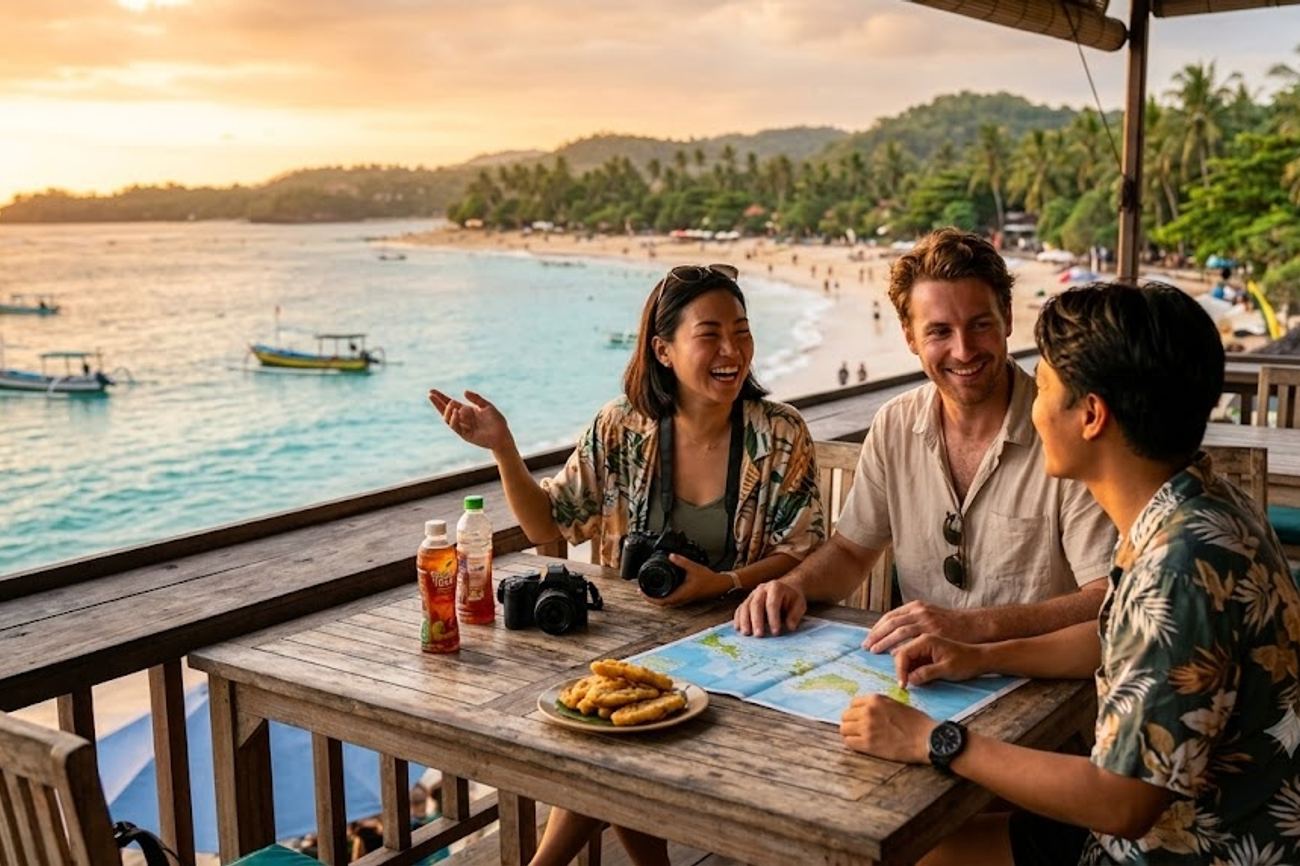
Image generated by AI
[Jakarta, June 2026] — Indonesia’s tourism sector has generated US$8.43 billion in foreign-exchange revenue during the first half of 2026, signaling a powerful acceleration in international travel demand. The surge underscores the industry's transition from a volume-based recovery to a high-value economic driver for the archipelago.
Deputy Tourism Minister Ni Luh Puspa confirmed the figures this Saturday, stating that the revenue reflects tourism's vital role as a primary source of foreign currency and a catalyst for national economic growth. The current trajectory builds upon a robust 2025 performance, during which the country recorded 15.39 million international arrivals, 1.2 billion domestic trips, and total foreign-exchange earnings of US$18.27 billion.
The Shift Toward High-Value Revenue
The current revenue spike is not merely a result of increased foot traffic but a deliberate strategic pivot by the Indonesian government. Authorities are moving away from "mass tourism" in favor of a model that prioritizes sustainable, experience-based travel. This strategy focuses on attracting visitors who extend their length of stay and increase their per-capita spending.
Key drivers of this growth include a diversified portfolio of attractions. While traditional beach tourism remains a staple, there is a marked increase in demand for:
- Cultural Heritage: Sites such as Borobudur and various ancestral landmarks.
- Nature and Wellness: Tropical islands, marine destinations, and wellness retreats.
- Premium Experiences: Luxury resorts and curated, authentic local encounters.
The government is currently leveraging several primary hubs to distribute this wealth beyond the traditional hotspots, focusing development in Jakarta, Lombok, Labuan Bajo, Lake Toba, and Mandalika.
Market Breakdown: Who Is Visiting Indonesia
The US$8.43 billion H1 revenue is the result of a diversified global visitor base, with specific markets contributing different economic values.
| Market Segment | Primary Drivers | Key Destinations |
|---|---|---|
| Australia | Beach holidays, family vacations, adventure travel | Bali, various island destinations |
| Malaysia & Singapore | Short-distance travel, business, weekend breaks | Jakarta, Bali, Batam |
| China | Group travel, shopping, cultural exploration | Bali, cultural heritage sites |
| India | Luxury holidays, destination weddings, premium travel | Bali |
| South Korea & Japan | Wellness tourism, eco-responsible travel, heritage | Bali, nature reserves |
| Europe & North America | Long-haul stays, multi-destination itineraries | Luxury resorts, adventure hubs |
Australia continues to be a cornerstone of the industry due to geographical proximity and strong air connectivity. Simultaneously, the Ministry of Tourism and Creative Economy is seeing a surge from India, where a rising appetite for luxury celebration-based travel is fueling the high-end hotel sector in Bali.
From the West, travelers from the United Kingdom, Germany, France, and the Netherlands are contributing to the "higher-value" goal by engaging in longer, multi-city journeys that distribute revenue across more provinces.
What This Means for Travelers
For the average traveler booking a trip to Indonesia in 2026, the government's shift toward "quality over quantity" will manifest in several practical ways:
1. Increased Costs for Premium Services As Indonesia targets high-spending segments, expect a rise in the availability—and price—of luxury wellness retreats and "authentic" curated experiences. The focus is now on the "premium" traveler, meaning high-end infrastructure will likely improve, but budget options may see less government promotion.
2. Better Infrastructure in Non-Bali Hubs Travelers are encouraged to look beyond Bali. Increased investment in the "10 New Balis" initiative means that destinations like Labuan Bajo and Mandalika now offer better connectivity and service standards than in previous years.
3. Stricter Sustainability Requirements The push for "responsible visitor behavior" suggests that travelers may encounter more regulations regarding environmental protection, particularly in marine parks and heritage sites. This could include stricter permits for certain nature-based activities to prevent over-tourism.
4. Enhanced Service Quality The government is aggressively investing in workforce development. Travelers should notice a more digitally capable and linguistically proficient staff across the hospitality sector, as the state prioritizes international communication skills and technical tourism training for local workers.
The Roadmap for Sustainable Expansion
The Indonesian government is not treating the US$8.43 billion figure as a final goal but as a foundation for a more resilient ecosystem. The current mandate focuses on five specific development pillars:
- Environmental Protection: Implementing policies to protect natural landscapes from the wear and tear of mass tourism.
- Local Integration: Ensuring that foreign-exchange earnings trickle down to local communities rather than remaining solely with international hotel chains.
- Sustainability: Transitioning to a model that preserves cultural heritage for future generations.
- Spending Optimization: Creating incentives for tourists to stay longer in-country.
- Workforce Professionalization: Integrating digital capabilities and cultural adaptability into the national tourism curriculum.
To support this, the Directorate General of Immigration and other regulatory bodies are expected to continue streamlining entry processes for high-value markets, particularly from India and China, to maintain the momentum of outbound travel recovery.
FAQ: Indonesia Tourism 2026
Is Bali still the best place to visit in Indonesia? While Bali remains the top destination for luxury and weddings, the government is heavily promoting "authentic" alternatives like Labuan Bajo and Lake Toba to reduce overcrowding and spread economic benefits.
Are there new visa requirements for 2026? The government is prioritizing "high-value" travelers. While specific visa rules vary by nationality, travelers should check the official immigration portal for updates on long-stay permits designed to encourage extended visits.
How is Indonesia handling over-tourism in 2026? The focus has shifted from increasing total arrival numbers to increasing the "value" of each visitor. This includes promoting sustainable travel behaviors and diversifying destinations to move crowds away from saturated areas.
What are the best emerging destinations for luxury travel? Labuan Bajo and Mandalika are currently seeing significant investment in premium resorts and infrastructure, making them primary targets for luxury and adventure travelers.
Indonesia is no longer just chasing visitor counts; it is chasing value.
#IndonesiaTourism2026 #BaliTravel #JakartaEconomy #ASEANTourism #SustainableTravelIndonesia #LabuanBajo2026
Related Travel Guides
- Ukraine and Romania Among Top Visitors as Moldova Tourism Growth Overtakes Other European Countries in 2026
- Azerbaijan Unlocks Easier Travel for F1 Fans With Airport Visa Access for 2026 Baku Grand Prix
- Vietnam Airlines Boosts Hanoi Tourism With Unique Autumn Campaign Celebrating Culture and Experiences
Disclaimer
This article is for informational and educational purposes only. It does not constitute legal, financial, or professional advice. While we strive to provide accurate and up-to-date information, travel policies, regulations, and conditions change rapidly. Always verify information with official sources before making travel decisions. Nomad Lawyer makes no representations about the accuracy, reliability, completeness, or suitability of the information provided. Readers should consult qualified professionals for advice specific to their circumstances. The views expressed in this article are those of the author and do not necessarily reflect the views of Nomad Lawyer.
Raushan Kumar
Founder & Lead Developer
Full-stack developer with 11+ years of experience and a passionate traveller. Raushan built Nomad Lawyer from the ground up with a vision to create the best travel and law experience on the web.
Learn more about our team →