
Madagascar Leads the Ultimate African Road Adventure Across Seven Extraordinary Routes
Madagascar Leads the Ultimate African Road Adventure Across Seven Extraordinary Routes

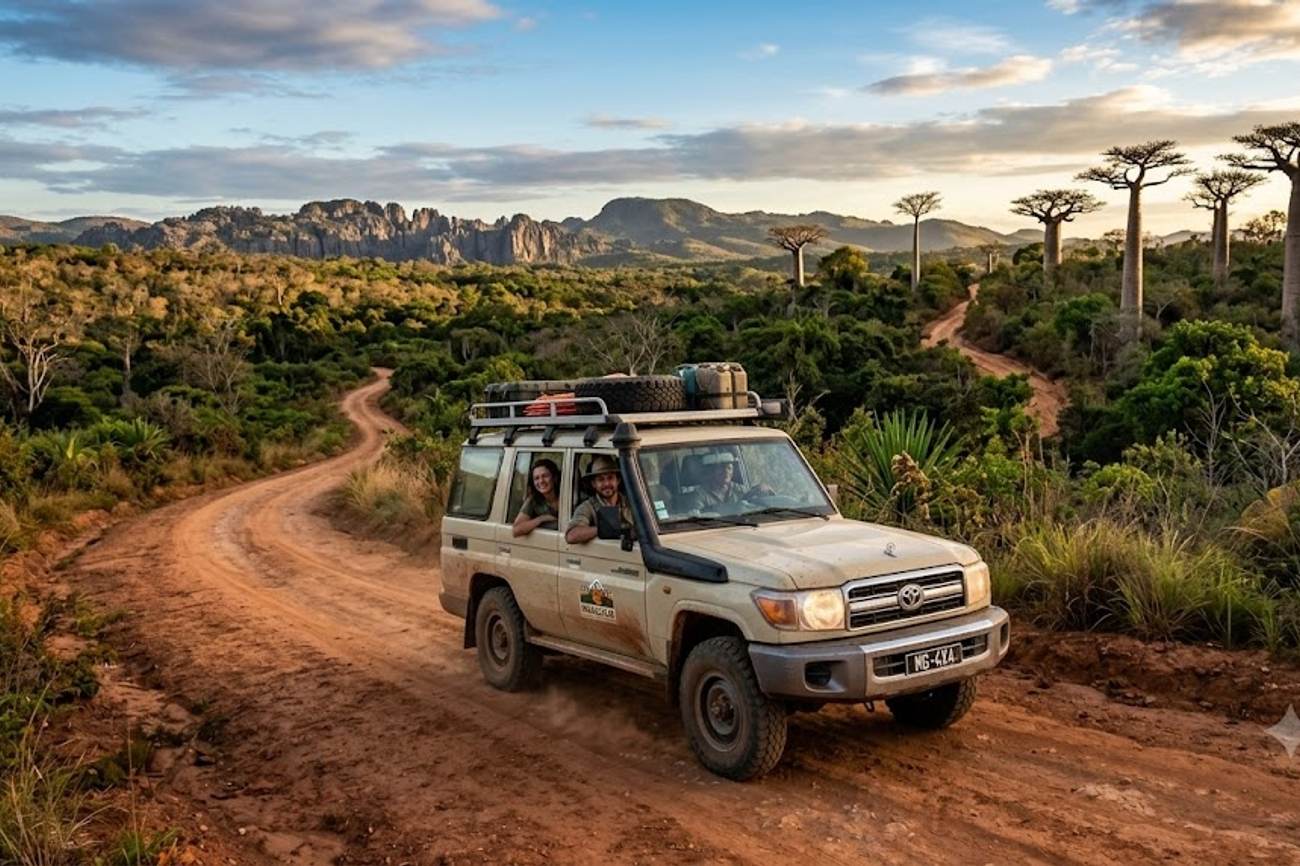
Image generated by AI
Regional tourism arrivals in Sub-Saharan Africa have surged by approximately 25% since 2019, yet the market share for traditional "safari-only" itineraries is shrinking as travelers pivot toward experiential road-based exploration. This shift is evidenced by the rising demand for high-complexity routes—such as the 500-kilometre Skeleton Coast corridor in Namibia or the 114-bend Chapman’s Peak Drive in South Africa—which prioritize geological and cultural immersion over standard game drives.
The Infrastructure of Adventure: Road Metrics and Access
The current trend in African travel is a move toward "extreme geography" road trips, where the infrastructure itself becomes the attraction. Data from these routes reveals a spectrum of accessibility that dictates the type of traveler each destination attracts.
In South Africa, Chapman’s Peak Drive represents the high-end, engineered experience. Spanning just nine kilometres, the route is characterized by its density of visual stimuli, featuring 114 bends and a 155-metre half-tunnel designed specifically to mitigate rockfall risks. This is a low-barrier entry point for tourism, accessible to standard rental vehicles, provided the toll is paid and weather conditions permit.
Conversely, the Sani Pass serves as a benchmark for "high-friction" tourism. This route, which transitioned from a 1950s pony trail for wool and mohair trade to a tourist artery, requires four-wheel-drive (4x4) capabilities. The transition from the green foothills of KwaZulu-Natal to the high plateau of Lesotho represents a vertical shift in ecosystem, attracting a niche segment of birdwatchers seeking the bearded vulture and Drakensberg siskin.
In Namibia, the Skeleton Coast Park exemplifies the "remote-scale" trend. Stretching 500 kilometres from the Ugab River to the Kunene River, this corridor is less about destination and more about the void. The interaction between the cold Benguela Current and the Namib Desert creates a microclimate of fog and mist, requiring travelers to adhere to strict regulatory frameworks, including bans on travel between sunset and sunrise and prohibitions on unauthorized overnight stays.
Comparative Regional Analysis: Coastal vs. Highland Routes
When comparing these routes, a clear pattern emerges: coastal routes are increasingly marketed as "thrill" experiences with high turnover, while highland and desert routes are positioned as "expeditions" requiring significant time investment and specialized equipment.
The following table compares the operational requirements and characteristics of these key African corridors based on current travel data:
| Route Name | Region | Primary Terrain | Vehicle Requirement | Key Metric | Primary Draw |
|---|---|---|---|---|---|
| Chapman's Peak | South Africa | Coastal Cliff | Standard | 114 Bends | Atlantic Ocean Views |
| Sani Pass | SA / Lesotho | High Mountain | 4x4 Mandatory | 2-Hour Transit | Drakensberg Highlands |
| Skeleton Coast | Namibia | Desert/Coast | 4x4 Recommended | 500 km Length | Shipwrecks & Fog |
| Dadès Gorge | Morocco | Gorge/Valley | Standard/4x4 | Multiple Kasbahs | Berber Culture/Geology |
According to data from the World Travel & Tourism Council (WTTC), the appetite for "slow travel" in emerging markets has increased, which is reflected in the Dadès Gorge region of Morocco. Here, the "Road of 1,000 Kasbahs" integrates the Ouarzazate, Zagora, and Tinghir regions, shifting the value proposition from a simple drive to a cultural survey of fortified architecture and palm groves.
Practical Traveler Advisory and Strategic Insights
The diversification of African road travel means that "one-size-fits-all" vehicle rentals are no longer viable for comprehensive itineraries. Based on the operational data of these routes, travelers should apply the following booking strategies:
Travelers planning these road adventures should coordinate their arrivals through the primary gateway at Ivato International Airport. Detailed entry requirements and visa protocols are managed by the Ministry of Foreign Affairs, ensuring all legal documentation is secured before departure.
1. Vehicle Specification is Non-Negotiable: For those planning to traverse the Sani Pass or the Skeleton Coast, booking a 4x4 is not a luxury but a requirement. Standard SUVs often lack the clearance and torque necessary for the steep dirt sections of the Drakensberg or the shifting sands of the Namib.
2. Buffer for Environmental Volatility: In South Africa, Chapman’s Peak is subject to immediate closures due to weather. Similarly, Namibia’s gravel roads are prone to degradation between January and April due to rainfall. Travelers should build a 20% time buffer into their itineraries to account for road closures and slow-speed gravel navigation.
3. Regulatory Compliance: The Skeleton Coast is a regulated park environment. Travelers must secure permits and bookings for accommodation points like Terrace Bay well in advance. Failure to do so can result in being denied entry to specific corridors of the 500-kilometre stretch.
4. Border Documentation: The Sani Pass requires a passport for the transition from South Africa into Lesotho. Given the remote nature of the border crossing, ensuring visa compliance and car-hire permits for cross-border travel is essential to avoid multi-hour delays at the summit.
Forward Projection: The Rise of the "Eco-Corridor"
Looking at the trajectory of these routes, we are seeing a shift toward "Eco-Corridors"—routes where the primary value is the preservation of the environment rather than the development of it. The Skeleton Coast's strict rules on overnight stays and the Sani Pass's reliance on guided 4x4 tours suggest a move toward managed tourism to prevent the degradation of fragile ecosystems.
Data from UN Tourism (UNWTO) indicates that travelers are increasingly willing to pay a premium for "restricted access" experiences. We can expect more African routes to implement toll systems (similar to Chapman's Peak) or permit systems (similar to Skeleton Coast Park) to fund road maintenance and environmental protection.
Furthermore, the integration of cultural markers—such as the baobab trees of Morondava in Madagascar or the kasbahs of Morocco—suggests that the future of the African road trip is the "hybrid itinerary." This combines the physical challenge of the drive with a curated educational narrative about the region's history and botany.
FAQ: African Road Trends 2025
Will rental prices for 4x4s increase in Namibia and South Africa? Yes. As more travelers pivot from guided safaris to independent road trips in areas like Sani Pass and the Skeleton Coast, demand for specialized 4x4 vehicles is outstripping supply, particularly during the peak wildflower season (September to October).
Is it safe to drive the Skeleton Coast independently? It is possible but high-risk. Due to the 500-kilometre stretch of remote terrain and the prevalence of gravel road accidents, carrying spare tires, extra fuel, and significant water reserves is mandatory. Night driving is strictly prohibited.
Which route is best for first-time visitors to Africa? Chapman’s Peak Drive is the most accessible. It requires no specialized vehicle, is only nine kilometres long, and provides high-impact Atlantic Ocean views with minimal logistical complexity compared to the border crossings of Sani Pass.
When is the best time to visit the Drakensberg/Sani Pass region? September to mid-October is optimal for those seeking wildflowers. However, winter travelers should be prepared for snow, which can make the steep dirt sections of the pass impassable for non-specialized vehicles.
The African road trip is evolving from a means of transport into a primary destination, where the metric of success is no longer the distance covered, but the geological shifts witnessed.
Related Travel Guides
- Portugal Unlocks A New Era Of Accessible Travel With Growing Facilities And Smarter Tourism Planning
- Nepal’s Baglung And Parbat Boost Tourism With Record-Breaking Suspension Bridge Over The Kaligandaki River
- Abu Dhabi and Maldives Emerge Alongside Luxury Rivals as Coastal Tourism Pursues Higher-Value Travel
Disclaimer
This article is for informational and educational purposes only. It does not constitute legal, financial, or professional advice. While we strive to provide accurate and up-to-date information, travel policies, regulations, and conditions change rapidly. Always verify information with official sources before making travel decisions. Nomad Lawyer makes no representations about the accuracy, reliability, completeness, or suitability of the information provided. Readers should consult qualified professionals for advice specific to their circumstances. The views expressed in this article are those of the author and do not necessarily reflect the views of Nomad Lawyer.
Naina Thakur
Contributor & Travel Specialist
Travel enthusiast and legal writer covering visa regulations, responsible tourism, and cultural journeys across global destinations.
Learn more about our team →