
London Independent Hotel Show 2026: How 200+ Suppliers are Redefining Boutique Hospitality Tech
Analysis of the 2026 London Independent Hotel Show reveals a strategic shift toward AI-driven operations and flexible design to combat rising labor costs in the boutique sector.

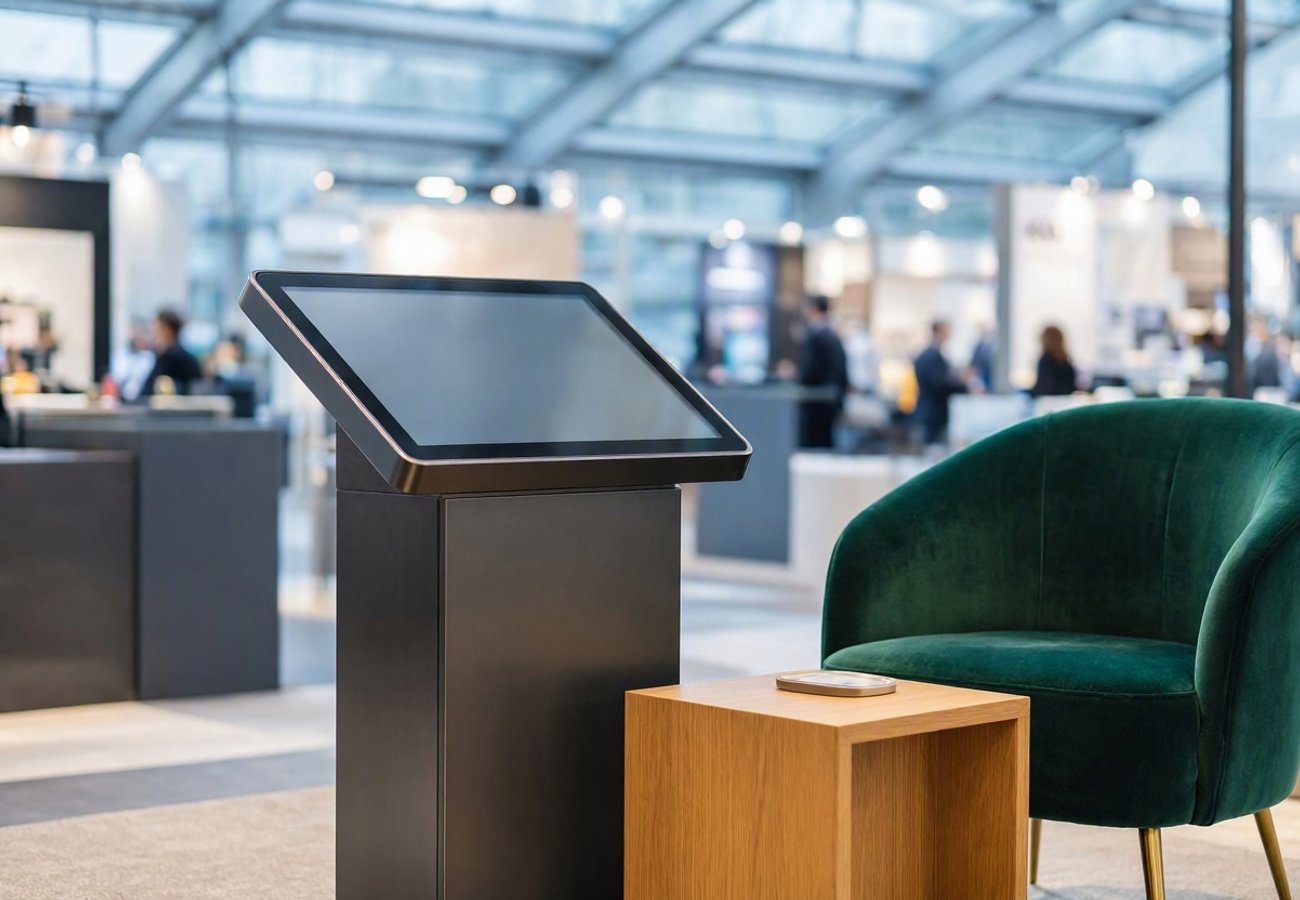
Image generated by AI
More than 200 exhibiting brands converged at Olympia London on October 5 and 6, 2026, to address a critical friction point in the hospitality industry: the tension between rapid digital automation and the personalized service that defines the boutique experience. As independent operators face escalating operational costs and shifting guest behaviors, the 2026 Independent Hotel Show served as a barometer for how non-chain properties are attempting to scale efficiency without sacrificing their unique brand identity.
The Boutique Struggle: Scaling Individuality
The independent hotel sector occupies a precarious position in the current travel economy. Unlike global conglomerates, boutique and luxury independent properties lack massive centralized procurement power and internal corporate support teams. Consequently, these operators are increasingly vulnerable to rising labor costs and the high capital expenditure required to meet modern guest expectations for "frictionless" digital journeys.
The 2026 event, themed "Shaping Tomorrow: Where Innovation Meets Independent Spirit," highlighted a shift in strategy. Rather than competing with the standardized efficiency of global brands, independent hotels are leveraging their agility. Because they lack the bureaucratic approval layers of international chains, these properties can pivot their food and beverage offerings, local partnerships, and guest services in real-time to match hyper-local demand.
Operational Benchmarks and Market Scale
The scale of the 2026 exhibition underscores the economic weight of the independent sector within the United Kingdom's visitor economy. By concentrating a diverse array of suppliers—ranging from property management systems (PMS) to wellness infrastructure—the event functions as a critical procurement hub for small-to-medium enterprises (SMEs).
| Event Metric | 2026 Data Point | Impact on Industry |
|---|---|---|
| Exhibiting Brands | 200+ | Increased supplier competition for boutique contracts |
| Industry Voices | 100+ Speakers | Rapid dissemination of AI and design best practices |
| Event Duration | 2 Days | Condensed procurement cycle for hotel owners |
| Core Focus Areas | Tech, Design, Staffing | Shift from "room sales" to "experience economy" |
Expert Analysis: The AI Paradox in Luxury Stays
For the luxury traveler, the value proposition of an independent hotel is the human element—the concierge who knows your preferences or the owner who greets you by name. The integration of Artificial Intelligence (AI) creates a paradox: how does a property automate the mundane without sterilizing the experience?
For travelers booking these routes, the direct consequence is a bifurcated service model. We are seeing the emergence of "invisible tech," where AI handles the backend—revenue management, booking patterns, and late-night guest queries—to free up human staff for high-value interactions. The pricing pressure created by rising labor costs means that hotels cannot afford inefficient staffing; therefore, AI is no longer a luxury add-on but a survival mechanism for maintaining profitability.
Furthermore, the move toward "adaptable spaces" mentioned at the show indicates that hotels are evolving into multi-use hubs. By designing lobbies that function as co-working spaces by day and cocktail lounges by night, independent hotels are diversifying their revenue streams beyond the nightly room rate. This shift is supported by regulatory trends seen through the International Air Transport Association (IATA) and other travel bodies that note a rise in "bleisure" (business + leisure) travel patterns.
Key Takeaways for Operators and Travelers
- AI as an Enabler, Not a Replacement: The industry is moving toward using automation to handle administrative burdens, allowing staff to focus on personalized guest relations.
- Design as a Revenue Driver: Visual identity is now a primary booking trigger; high-concept design in lobbies and wellness areas directly correlates with higher social media visibility and occupancy.
- Diversified Income Streams: Independent hotels are shifting away from a reliance on room sales, integrating wellness, local cultural partnerships, and flexible workspaces.
- Procurement Efficiency: The introduction of hosted-buyer programs indicates a move toward high-efficiency, one-to-one B2B matching to reduce the time spent on vendor research.
FAQ: Independent Hotels London 2026
How is AI changing the guest experience in boutique hotels? AI is being used primarily for instant communication and personalized pre-arrival messaging. The goal is to handle routine requests automatically so that on-site staff can provide more meaningful, face-to-face human service.
Why is hotel design considered a commercial decision now? Most guests now book based on imagery from social media and review sites. Strategic design in specific areas—like the lobby or wellness suite—increases a property's "shareability," driving direct bookings and higher average daily rates.
What is the "bleisure" trend affecting independent hotels? Bleisure combines business and leisure travel. Independent hotels are responding by creating adaptable spaces that cater to remote workers during the day and leisure guests in the evening, maximizing revenue per square foot.
How do independent hotels compete with large chains on technology? By using specialized trade shows and hosted-buyer programs, independent owners can access the same high-tier property management and AI tools as large chains but implement them with more flexibility and local customization.
The future of boutique hospitality lies not in mimicking the giants, but in using the giants' tools to amplify a local soul.
Related Travel Guides
Disclaimer
This article is for informational and educational purposes only. It does not constitute legal, financial, or professional advice. While we strive to provide accurate and up-to-date information, travel policies, regulations, and conditions change rapidly. Always verify information with official sources before making travel decisions. Nomad Lawyer makes no representations about the accuracy, reliability, completeness, or suitability of the information provided. Readers should consult qualified professionals for advice specific to their circumstances. The views expressed in this article are those of the author and do not necessarily reflect the views of Nomad Lawyer.
Raushan Kumar
Founder & Lead Developer
Full-stack developer with 11+ years of experience and a passionate traveller. Raushan built Nomad Lawyer from the ground up with a vision to create the best travel and law experience on the web.
Learn more about our team →